

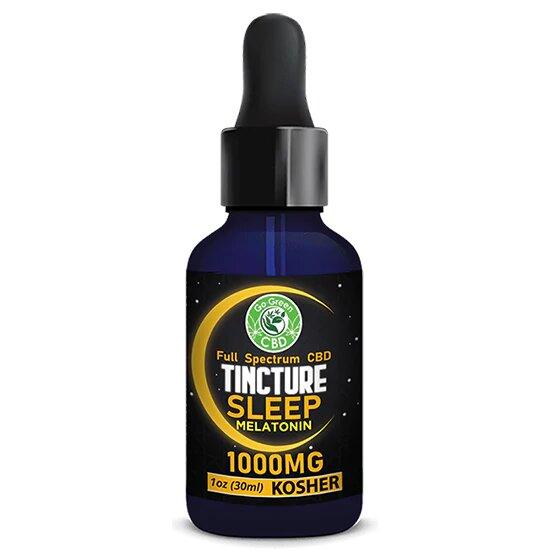
Are you struggling to get a good night’s sleep? You’re not alone. Sleep issues affect millions of people, and sometimes it feels like no matter what you do, restful slumber stays out of reach. But what if there was a natural remedy that could help? Enter sleep tinctures. These potent herbal extracts are gaining popularity as a natural solution for improving sleep quality and helping you wake up refreshed.
In this article, we’ll dive deep into what sleep tinctures are, how they work, and why they might be the key to transforming your nights.
What Is a Sleep Tincture?
A sleep tincture is a concentrated liquid herbal extract designed to promote better sleep. Unlike pills or capsules, tinctures are typically made by soaking herbs in alcohol or glycerin, allowing the active compounds to be absorbed into the liquid. This results in a powerful blend that can be taken in small doses for maximum effect.
But why use a tincture? Tinctures are absorbed more quickly by the body, meaning you can feel the effects faster—perfect for those nights when sleep just won't come.
How Do Sleep Tinctures Work?
The magic of sleep tinctures lies in their herbal ingredients. Each herb used in a tincture is carefully selected for its ability to calm the mind, relax the body, and help induce sleep. When these herbs are combined, their effects can be even more powerful, creating a natural solution that targets the root causes of insomnia and restlessness.
Ever had a cup of chamomile tea to wind down? Sleep tinctures work in a similar way but are much more concentrated, so you get more powerful results in a smaller dose.
Key Ingredients in Sleep Tinctures
When it comes to sleep tinctures, not all are created equal. The effectiveness depends on the herbs used. Here are some of the most common ingredients you’ll find in a high-quality tincture:
-
Valerian root: Known for its sedative properties, valerian root helps reduce anxiety and improve sleep quality.
-
Chamomile: A calming herb that soothes the nervous system, helping to relax your mind before bed.
-
Passionflower: Often used to treat insomnia, passionflower works by increasing levels of GABA, a brain chemical that promotes relaxation.
-
Lavender: Not just for aroma therapy, lavender can help reduce anxiety and create a sense of calm, making it easier to fall asleep.
Each of these herbs contributes to the overall effect of a tincture, helping you drift off to sleep more easily and stay asleep longer.
The Benefits of Using a Sleep Tincture
Why should you consider using a sleep tincture over other sleep aids? Here are a few key benefits:
-
Fast-acting: Tinctures are absorbed more quickly than pills or capsules, so you feel the effects sooner.
-
Natural ingredients: Unlike synthetic sleep aids, tinctures are made from natural herbs, which can be gentler on your body.
-
Non-habit forming: Many sleep tinctures don’t carry the risk of dependency that some prescription medications do.
-
Customizable doses: With a tincture, you can easily adjust the dosage to suit your needs, unlike pre-measured pills.
How to Use a Sleep Tincture Properly
Using a sleep tincture is simple, but it’s important to follow the right steps to get the best results:
-
Measure your dose: Most tinctures come with a dropper, making it easy to measure out the right amount. Start with the recommended dose, usually around 1-2 droppers full.
-
Take it sublingually: For faster absorption, place the tincture under your tongue and hold it there for about 30 seconds before swallowing.
-
Be consistent: It may take a few nights of regular use to see the full benefits, so be patient and stick with it.
Potential Side Effects
While sleep tinctures are generally safe, some people may experience side effects. The most common include:
-
Drowsiness: While this is the desired effect when you’re trying to sleep, it can linger into the next day for some people.
-
Stomach discomfort: Certain herbs may cause mild digestive issues if taken on an empty stomach.
-
Allergic reactions: Though rare, it’s possible to be allergic to some of the ingredients in a tincture, so always check the label.
If you experience any severe or unexpected side effects, stop using the tincture and consult a healthcare professional.
Sleep Tincture vs. Other Sleep Aids
How do sleep tinctures stack up against other popular sleep aids like melatonin or over-the-counter sleep medications? Here's a quick comparison:
-
Tinctures: Fast-acting and natural, with minimal side effects. Best for those looking for a gentle, non-habit-forming solution.
-
Melatonin: A hormone that regulates the sleep-wake cycle. Effective but can cause grogginess or vivid dreams for some.
-
Prescription medications: Very effective but come with the risk of dependency and a higher chance of side effects.
Is a Sleep Tincture Right for You?
A sleep tincture might be a great fit if:
-
You prefer natural remedies.
-
You’re looking for a fast-acting solution.
-
You want something that won’t leave you feeling groggy the next day.
However, if you have a severe sleep disorder, it’s always best to consult with a doctor before starting any new treatment.
Choosing the Right Sleep Tincture
Not all sleep tinctures are created equal. When shopping for one from a trusted platform like gogreencbd, keep these tips in mind:
-
Look for quality ingredients: Make sure the tincture is made with high-quality, organic herbs.
-
Check the reviews: Other users' experiences can give you a good idea of how effective a tincture is.
-
Consult with a professional: If you're unsure which tincture is right for you, talk to a healthcare provider for guidance.
Frequently Asked Questions
1. How long does it take for a sleep tincture to work?
Most people feel the effects of a sleep tincture within 30 minutes to an hour after taking it.
2. Can I use a sleep tincture every night?
Yes, sleep tinctures are generally safe for nightly use. However, it’s always a good idea to take breaks occasionally to avoid building a tolerance.
3. Are sleep tinctures safe for children?
Some tinctures may be safe for children, but it's important to check the label and consult with a healthcare professional before giving them to a child.
4. Can I take a sleep tincture with other medications?
You should consult your doctor before combining a sleep tincture with any prescription medications, especially if you're taking sedatives.
5. Do sleep tinctures taste bad?
The taste can vary depending on the herbs used, but many tinctures have a strong, herbal flavor. You can mix it with water or tea to make it more palatable.

 English
 French
 Spanish
 Portuguese
 Deutsch
 Turkish
 Dutch
 Italiano
 Russian
 Romaian
 Portuguese (Brazil)
 Greek