

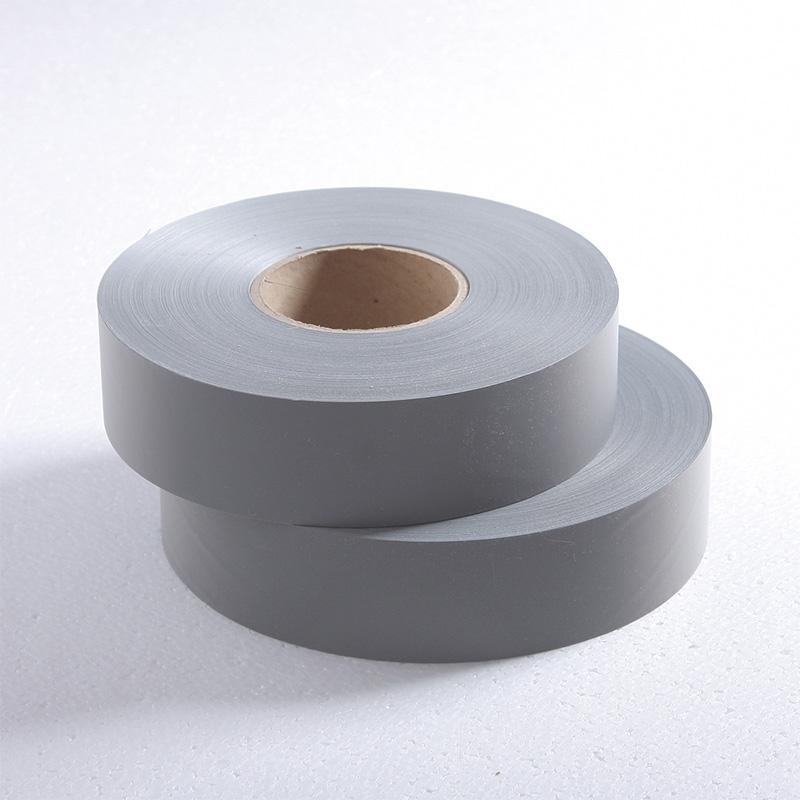
The environmental impact of high heat reflective materials extends beyond immediate temperature reductions. Their widespread adoption can cause significant changes in urban microclimates, fostering a more comfortable living environment for residents. Furthermore, high heat reflective materials can play a role in reducing heat-related morbidity and mortality, particularly among vulnerable populations who are disproportionately affected by heat events.
As cities continue to grapple with the challenges posed by climate change, the role of high heat reflective materials will only become more critical. Ongoing research and development efforts aim to refine these materials further, exploring new formulations and applications that maximize their effectiveness. The future of urban design will likely see an increased emphasis on integrating these reflective materials into building codes and standards, promoting their use as a standard practice in sustainable construction.
High heat reflective materials represent a promising avenue for addressing the urban heat island effect and enhancing environmental sustainability. Their ability to reflect solar radiation, reduce energy consumption, and improve air quality positions them as essential components in the toolkit for combating climate change. As technology advances and awareness grows, the adoption of these materials is expected to rise, paving the way for cooler, healthier, and more resilient urban environments.

 English
 Arabic
 French
 Spanish
 Portuguese
 Deutsch
 Turkish
 Dutch
 Russian
 Romaian
 Portuguese (Brazil)
 Greek