

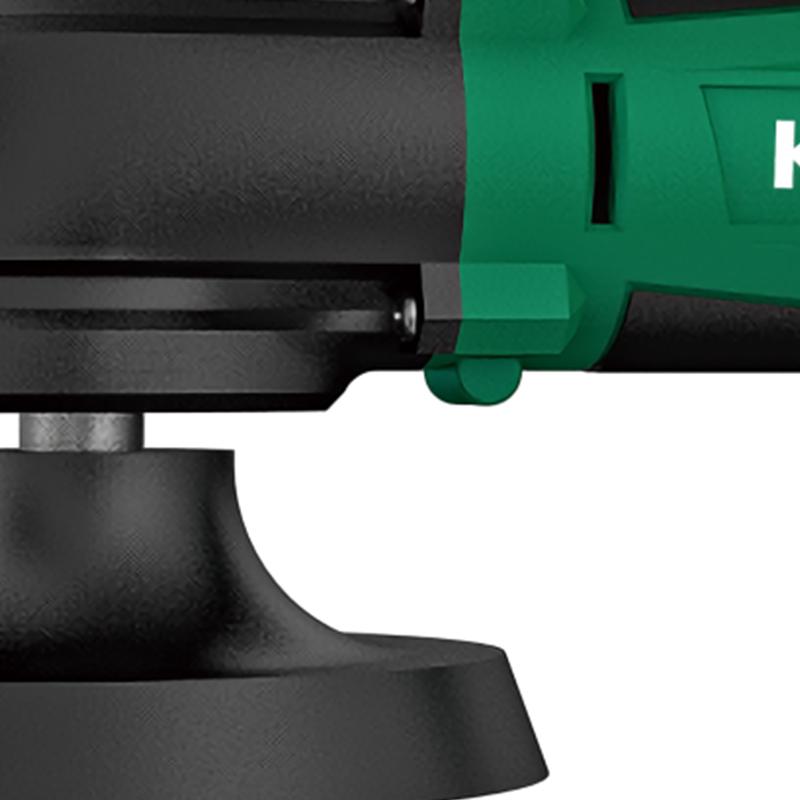
Industrial polishing machines are utilized extensively in the production of exterior parts, such as body panels and trim. The polishing process not only improves the visual appeal of these components but also protects them from environmental factors that can cause corrosion and wear. For instance, chrome-plated parts, which are common in automotive design, require precise polishing to maintain their shine and durability. The use of industrial polishing machines allows manufacturers to achieve a mirror-like finish that enhances the overall look of the vehicle.
In addition to exterior components, industrial polishing machines play a vital role in the finishing of interior parts. Dashboard panels, door handles, and other visible components benefit from the smooth, polished surfaces that these machines provide. The polishing process removes imperfections and creates a uniform texture, which is crucial for consumer satisfaction. A well-finished interior not only elevates the aesthetic value of the vehicle but also contributes to a more comfortable user experience.
The automotive industry also relies on industrial polishing machines for the treatment of engine components. Parts such as crankshafts, camshafts, and gears undergo polishing to reduce friction and improve performance. The smooth surfaces achieved through polishing help minimize wear and tear, thereby extending the lifespan of these critical components. This application highlights the dual role of industrial polishing machines in enhancing both the appearance and functionality of automotive parts.

 English
 Arabic
 French
 Spanish
 Portuguese
 Deutsch
 Turkish
 Dutch
 Russian
 Romaian
 Portuguese (Brazil)
 Greek