

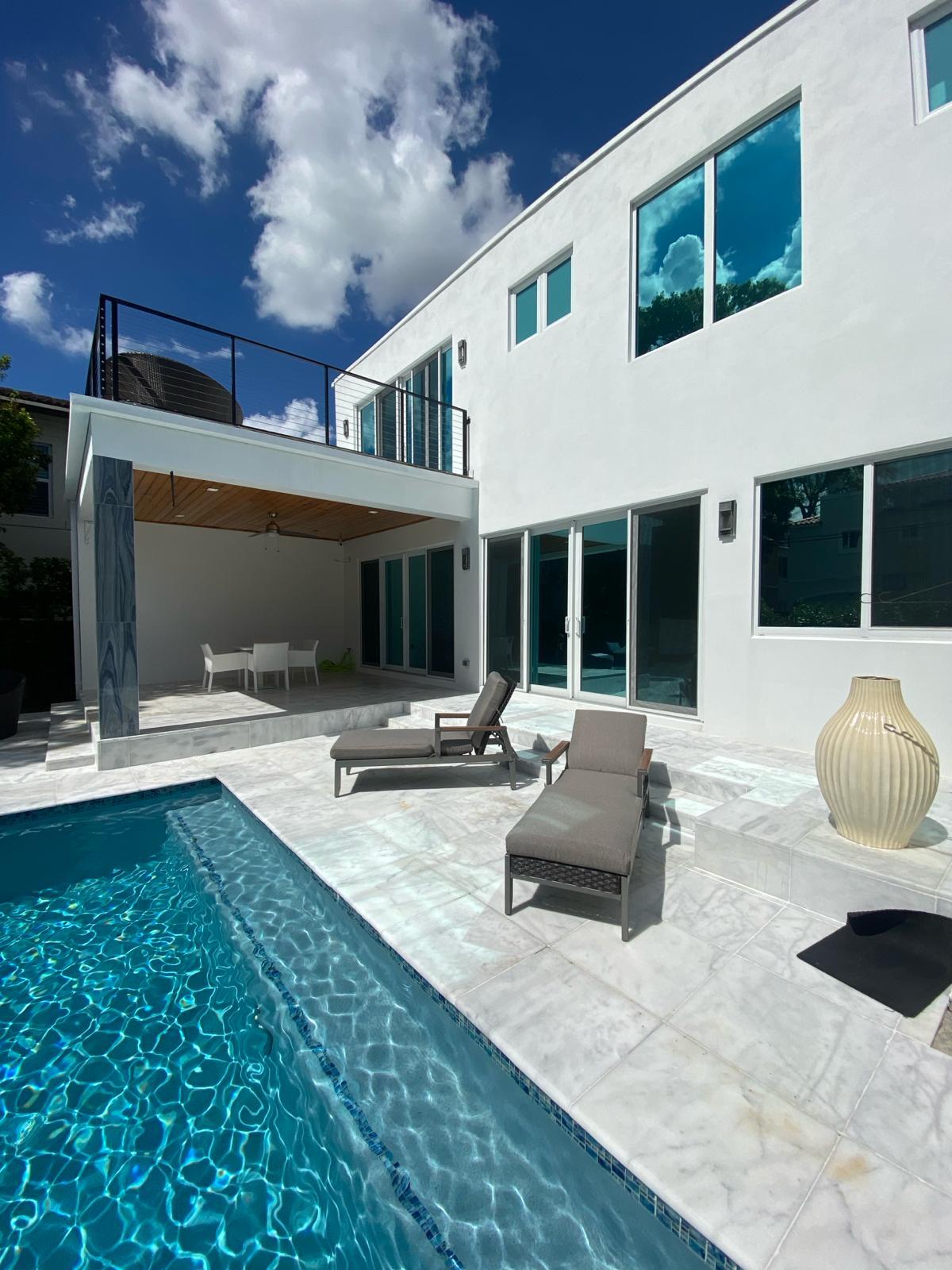
As energy costs continue to rise, homeowners are searching for effective ways to cut their utility bills. One often-overlooked yet highly effective solution is residential window tinting. By reducing heat gain, minimizing glare, and protecting against harmful UV rays, window tinting offers a cost-effective way to enhance energy efficiency while improving comfort.
What is Residential Window Tinting?
Residential window tinting involves applying a thin, transparent film to your home’s windows. This film is designed to block a significant portion of the sun’s rays, reducing heat transfer and keeping indoor temperatures more stable. It also protects against UV radiation, which can cause furniture, flooring, and artwork to fade.
Key Benefits of Residential Window Tinting
1. Significant Energy Savings
Window tinting reduces heat gain during summer and retains warmth in the winter, leading to lower energy consumption. This means your HVAC system won’t have to work as hard to maintain a comfortable temperature, reducing energy bills.
2. UV Protection
Residential window films block up to 99% of harmful UV rays, preventing damage to your interiors. Prolonged UV exposure can fade furniture, carpets, and artwork. Tinting protects your investments while letting natural light in.
3. Enhanced Comfort
By minimizing glare and heat, window tinting enhances indoor comfort. You can enjoy a cooler environment in the summer and a warmer one in the winter without constantly adjusting the thermostat.
4. Improved Privacy and Security
Tinted windows offer an additional layer of privacy, particularly in urban or suburban areas. Specialty films can also provide shatter resistance, protecting your family from accidents or break-ins.
5. Eco-Friendly Choice
Using less energy saves you money and reduces your carbon footprint. Window tinting is a sustainable solution for homeowners looking to minimize their environmental impact.
Types of Residential Window Tinting
1. Solar Control Films
These films are designed to reduce heat gain and glare while maintaining visibility. Solar control films are ideal for homeowners seeking to maximize energy savings.
2. Decorative Films
Decorative window films offer privacy and aesthetic appeal. They come in various patterns and designs, allowing you to customize your home’s appearance.
3. Security Films
For added protection, security films strengthen your windows, making them more breakage-resistant. This tint is commonly used in areas prone to storms or break-ins.
4. UV Blocking Films
While most window films offer UV protection, specialized UV-blocking films provide maximum defense against harmful radiation, keeping your home and belongings safe.
Installation Process
Professional installation is recommended for optimal results. The process typically involves:
-
Consultation and Measurement: Experts assess your windows and recommend the best film type.
-
Surface Preparation: Windows are cleaned and prepared to ensure proper adhesion.
-
Film Application: The tinting film is carefully applied and smoothed to remove bubbles.
-
Curing: The film needs a few days to adhere and dry thoroughly.
Cost of Residential Window Tinting
The window tinting cost varies depending on window size, film type, and installation complexity. On average, homeowners can expect to pay between $5 and $12 per square foot. However, the energy savings and extended lifespan of furnishings often outweigh the initial investment.
Maintenance and Longevity
Maintaining your window tinting is simple. Follow these tips to extend its lifespan:
-
Wait Before Cleaning: Allow the film to cure for at least 30 days.
-
Use Gentle Cleaners: Avoid abrasive products that could damage the film.
-
Regular Inspections: Check for any peeling, bubbling, or discoloration.
With proper care, window films can last up to 20 years.
Conclusion
Residential window tinting is a practical and cost-effective solution to lower energy bills, enhance comfort, and protect your home’s interior. Window tinting delivers immediate and long-term benefits by reducing heat gain, blocking UV rays, and providing additional privacy.

 English
 Arabic
 French
 Spanish
 Portuguese
 Deutsch
 Turkish
 Dutch
 Russian
 Romaian
 Portuguese (Brazil)
 Greek