

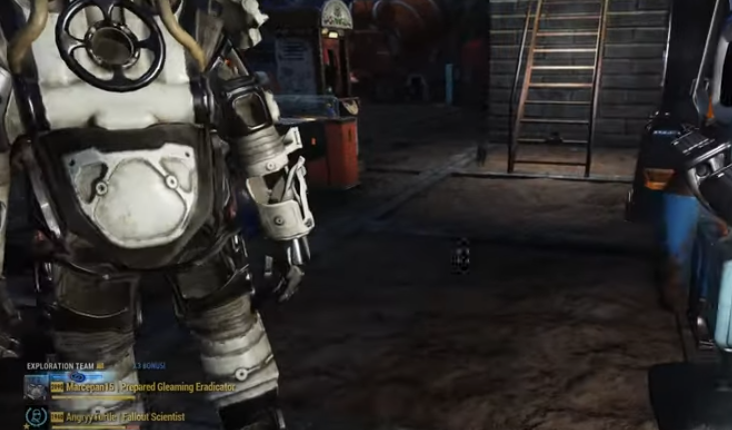
Fallout 76, an online multiplayer action role-playing game set in the Fallout universe, has a dynamic economy that has undergone significant changes since its release. The game's economy is primarily based on caps, the standard currency in the Fallout series, but it also involves trading and resource management. Here's a closer look at how the economy functions and how it has evolved over time.
Caps and Their Role
Caps are the primary currency in Fallout 76, used for purchasing items from vendors and accessing certain services like fast travel. However, unlike in previous Fallout games, caps are not the only valuable resource. Players also collect and manage materials for crafting and building, which are essential for survival and progression in the game.
Resource Management and Crafting
The introduction of building mechanics in Fallout 4 laid the groundwork for Fallout 76's resource-based economy. Every item in the game can be broken down into its constituent parts, making each item potentially valuable for crafting or building. This system encourages players to manage their inventory efficiently, scrapping unnecessary items to free up space and focus on collecting materials for their projects.
Player Trading and Vending Machines
One of the most significant aspects of Fallout 76's economy is player trading. Players can set up vending machines at their C.A.M.P.s (Construction and Assembly Mobile Platform) to buy and sell items with other players. This feature allows for a dynamic market where players can acquire rare items or offload excess goods. Trading is a crucial strategy for accumulating wealth and accessing unique items.
Challenges and Criticisms
Despite its dynamic nature, the economy in Fallout 76 has faced criticisms. One major issue is the cap on stash space, which limits how much players can store. This cap has been increased over time, but it remains a point of contention among players who feel it restricts their ability to hoard valuable items. Additionally, there is no auction house system, which some players believe would improve the trading experience.
The variety and value of Fallout 76 items play a crucial role in the game's economy. Players spend a significant amount of time collecting and managing these items, which can be used in crafting, trading, or selling. The value of items like rare gear, mods, and healing supplies contributes to the dynamic nature of the market, where prices fluctuate based on supply and demand. Moreover, the ability to break down items into raw materials adds an extra layer of strategy, as players must balance between holding onto potentially valuable items or scrapping them for immediate benefits. This careful management of Fallout 76 items is essential for achieving success in both combat and trading within the game.
Inflation and Market Dynamics
Recent observations suggest that Fallout 76 is experiencing cap inflation, with prices for certain items increasing significantly over time. This inflation affects how players value and trade items, making some goods more expensive and potentially altering the balance of the economy.
Future Developments
Bethesda has continued to update and refine the game's economy. While there are no plans for auction houses or significant increases in cap limits, the company has expressed interest in improving the player experience through new content and features. The acquisition by Microsoft has also brought increased funding, potentially paving the way for more substantial updates in the future.
In conclusion, the economy of Fallout 76 is a complex system that combines traditional currency management with resource trading and crafting. While it presents challenges, it also offers opportunities for strategic gameplay and community interaction. As the game continues to evolve, players can expect further changes that might address existing issues and enhance the overall economic experience.

 English
 Arabic
 French
 Spanish
 Portuguese
 Deutsch
 Turkish
 Dutch
 Russian
 Romaian
 Portuguese (Brazil)
 Greek