

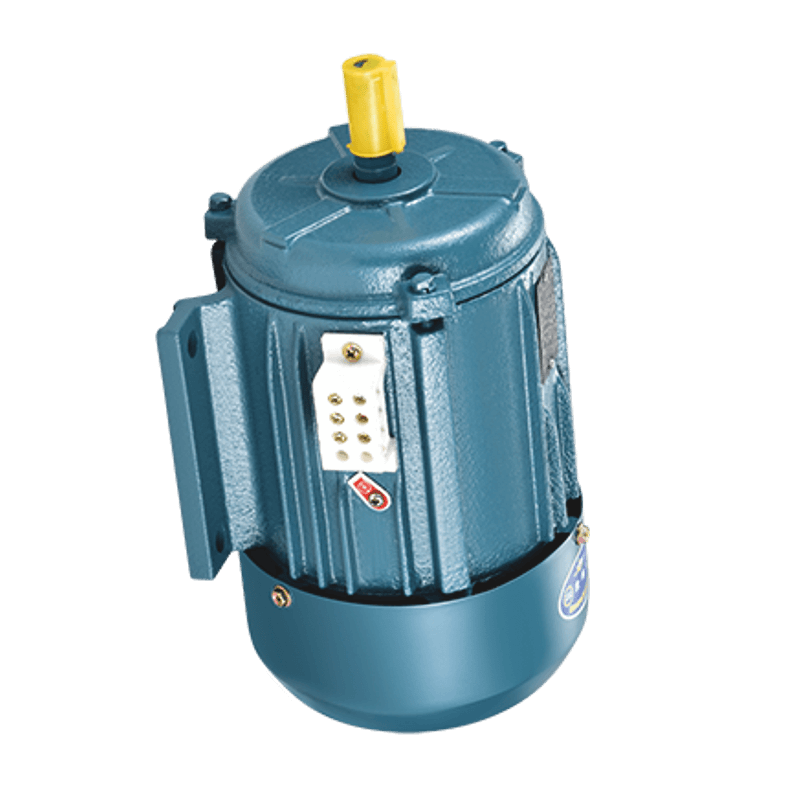
The world of electric motors is undergoing a remarkable transformation, driven by advancements in control technologies such as variable frequency drives (VFDs) and servo control systems. These innovations are not only enhancing the performance of motors but also significantly improving their energy efficiency, which has profound implications for both industry and the environment.
Electric motors are essential components in a wide range of applications, from household appliances to industrial machinery. The introduction of VFDs has revolutionized how motors operate. By adjusting the frequency and voltage supplied to the motor, VFDs allow for precise control over speed and torque. This means that motors can operate at varying speeds, which is particularly beneficial in applications where load conditions fluctuate. For instance, in HVAC systems, VFDs enable electric motors to adjust their speed according to the heating or cooling demand, causing substantial energy savings.
Moreover, servo control systems have taken the capabilities of motors to new heights. These systems provide feedback mechanisms that allow for precise control of position, speed, and acceleration. Servo motors, which are a type of electric motor, are widely used in robotics and automation due to their ability to deliver accurate movements. The integration of advanced sensors and controllers in servo systems ensures that motors can respond dynamically to changes in their environment, enhancing both efficiency and performance.
The energy efficiency of electric motors is a critical factor in their design and operation. Modern motors are often rated according to their efficiency levels, which are classified into different categories. The International Electrotechnical Commission (IEC) has established standards that define these efficiency classes, ranging from IE1 (standard efficiency) to IE5 (super premium efficiency). Higher efficiency ratings indicate that an electric motor converts a greater percentage of electrical energy into mechanical energy, resulting in lower energy consumption and reduced operational costs.

 Arabic
 French
 Spanish
 Portuguese
 Deutsch
 Turkish
 Dutch
 Italiano
 Russian
 Romaian
 Portuguese (Brazil)
 Greek