

Introduction
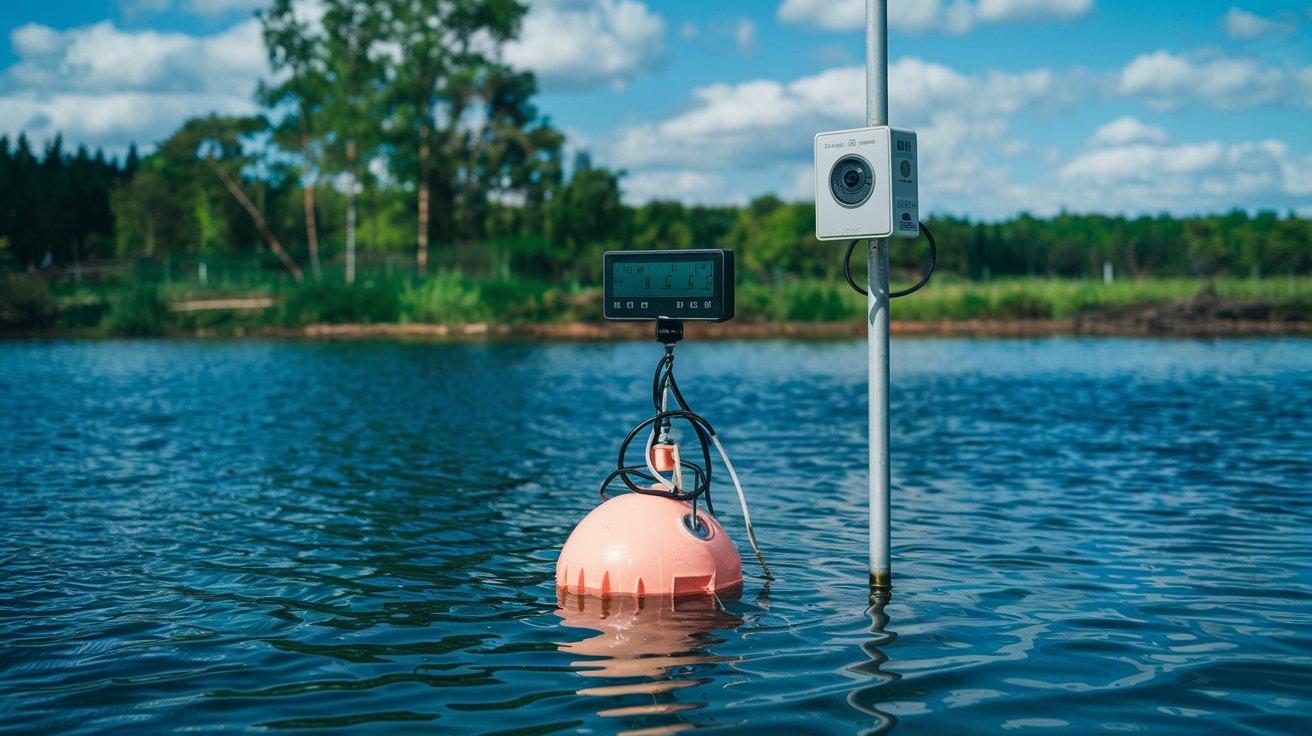
Water is essential, but managing it efficiently? That's where the real challenge lies. Enter Remote Water Level Monitoring , a technological advancement that's revolutionizing how we oversee water resources. Whether it's for agriculture, urban infrastructure, or environmental conservation, this technology offers immediate insights, ensuring optimal water usage and safety.
1. Immediate Data Access for Proactive Management
Stay Ahead with Instant Information
Traditional water monitoring methods often involve manual checks and delayed data analysis. With Real-Time Water Monitoring, data is collected and transmitted instantly, allowing for swift decision-making. This immediacy is crucial during events like floods or droughts, where timely responses can mitigate damage and conserve resources.
Enhancing Operational Efficiency
Immediate access to water data enables operators to adjust systems proactively, reducing downtime and improving overall efficiency. For instance, if a sudden drop in water levels is detected, corrective actions can be taken promptly to prevent equipment damage or service interruptions.
2. Cost Savings Through Efficient Resource Allocation
Reducing Operational Expenses
Automated monitoring reduces the need for manual inspections, lowering labor costs. Additionally, by identifying issues early, such as leaks or equipment malfunctions, maintenance can be scheduled proactively, avoiding costly emergency repairs.
Optimizing Resource Use
Real-Time Water Monitoring allows for precise control over water distribution, ensuring that water is used where and when it's needed most. This optimization leads to significant savings, especially in large-scale operations like municipal water systems or agricultural irrigation.
3. Environmental Conservation and Sustainability
Minimizing Water Waste
By providing accurate, real-time data, these systems help in detecting and addressing inefficiencies promptly. This proactive approach minimizes water waste, contributing to conservation efforts and sustainable resource management.
Supporting Regulatory Compliance
Environmental regulations often require detailed reporting on water usage and quality. Real-Time Water Monitoring simplifies compliance by automatically collecting and storing the necessary data, ensuring that organizations meet legal requirements without additional administrative burden.
4. Enhanced Safety and Risk Management
Early Detection of Potential Hazards
Continuous monitoring allows for the early detection of anomalies, such as sudden changes in water pressure or quality, which could indicate potential hazards. Early alerts enable quick responses, mitigating risks to public health and infrastructure.
Protecting Communities and Ecosystems
By maintaining optimal water levels and quality, Real-Time Water Monitoring safeguards communities against issues like waterborne diseases or environmental degradation, ensuring the well-being of both people and ecosystems.
5. Data-Driven Decision Making and Planning
Informed Strategic Planning
Access to comprehensive, real-time data empowers decision-makers to plan strategically, whether it's expanding infrastructure, allocating resources, or implementing conservation measures. Data-driven insights lead to more effective and sustainable water management practices.
Facilitating Innovation and Improvement
Continuous data collection and analysis open opportunities for innovation, such as predictive maintenance and advanced analytics, driving ongoing improvements in water management systems.
Conclusion
In an era where water scarcity and environmental concerns are paramount, Remote Water Level Monitoring emerges as a vital tool. By providing immediate data access, cost savings, environmental benefits, enhanced safety, and informed decision-making, it transforms how we manage this precious resource. Embracing this technology is not just a smart move, it's essential for a sustainable future.
Adopting Real-Time Water Monitoring isn't just about technology; it's about taking a proactive step towards efficient, safe, and sustainable water management.

 English
 Arabic
 French
 Spanish
 Portuguese
 Deutsch
 Turkish
 Dutch
 Russian
 Romaian
 Portuguese (Brazil)
 Greek