

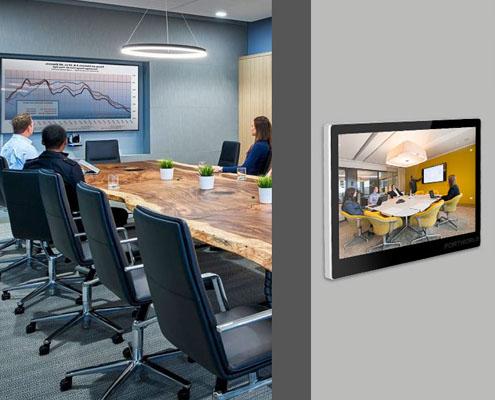
In the age of connected living, choosing the best smart home tech solution can be overwhelming. From lighting and climate control to security and energy management, homeowners now have access to a wide range of devices and platforms. But what truly defines the "best" smart home solution? It's not just about flashy features—it's about seamless integration, ease of use, and long-term value.
Key Criteria for Evaluating Smart Home Tech Solutions
-
Interoperability and Ecosystem Support
The best smart home solutions support major communication protocols like Zigbee, Z-Wave, Wi-Fi, and Bluetooth. They also work smoothly with popular ecosystems like Alexa, Google Assistant, and Apple HomeKit. -
Centralized Control
A fragmented system with multiple apps can frustrate users. The ideal setup provides a central control panel or hub that unifies all devices into one interface—often through a smart home control panel with a touch screen. -
Customizability and Scalability
As your home grows smarter, the solution must grow with it. The best systems allow easy addition of devices, scene creation, and automation scripting. Open APIs and SDKs are a major plus. -
Security and Reliability
A truly smart solution keeps your data secure and provides reliable performance with minimal downtime. Features like end-to-end encryption, local control fallback, and real-time monitoring matter more than ever. -
User Experience
A smooth, intuitive user interface—whether on mobile, desktop, or wall-mounted panels—can make or break a smart home experience. Look for responsive touchscreen control panels with voice and app support.

 English
 Arabic
 French
 Spanish
 Portuguese
 Turkish
 Dutch
 Italiano
 Russian
 Romaian
 Portuguese (Brazil)
 Greek