

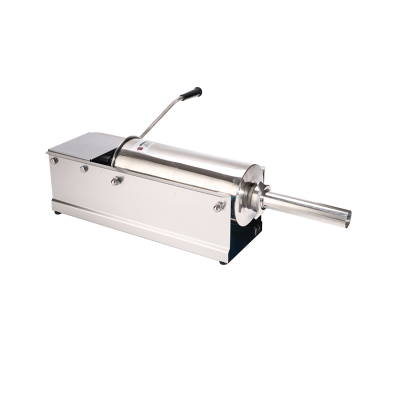
A sausage maker is a practical tool for anyone interested in creating homemade sausages with customized flavors and ingredients. Whether used in a home kitchen or a commercial setting, a sausage maker allows cooks to control the quality and composition of their sausages. This level of control is difficult to achieve with pre-packaged sausages available in stores.
There are several types of sausage makers available on the market. Manual sausage makers rely on hand cranks to push the meat mixture through a tube, forming the sausage casing. These are often preferred by hobbyists or those who make sausages occasionally. Electric sausage makers, on the other hand, use motors to automate the process, making them suitable for higher volume or more frequent sausage production.
One of the main benefits of a sausage maker is the ability to customize recipes. Users can experiment with different types of meat, spices, and casing materials to create unique sausage flavors. This flexibility makes a sausage maker a valuable addition to kitchens where experimentation and personalization are important. It also allows users to avoid preservatives and additives often found in commercial sausages.
For commercial businesses, a sausage maker can contribute to consistent production while maintaining product quality. Having a reliable machine simplifies the production process and reduces the time spent preparing sausages by hand. This helps streamline workflow in butcher shops, restaurants, and specialty food producers.
Cleaning and maintenance are important aspects of owning a sausage maker. Regular cleaning ensures that the equipment functions well and reduces the risk of contamination. Most manufacturers design their sausage makers with detachable parts to make cleaning easier. It is essential to follow manufacturer guidelines to keep the machine in good condition.
Material and build quality are also factors to consider when choosing a sausage maker. Stainless steel models are common due to their resistance to rust and ease of cleaning. However, some machines may use food-grade plastics for certain components to reduce weight and cost. The size and capacity of the sausage maker should align with the user’s production needs to avoid under- or over-sized equipment.
Additionally, some sausage makers come with attachments for making different sausage sizes or styles. This added versatility allows for a broader range of sausage types, from fresh breakfast links to smoked varieties. Such features are especially useful for users who wish to diversify their product offerings.
Safety features are another consideration. A good sausage maker should include protective measures to prevent accidents during operation. This includes secure locking mechanisms and stable bases to keep the machine steady.
A sausage maker offers both home cooks and commercial users an opportunity to produce sausages tailored to their preferences and needs. Its ability to customize ingredients, combined with efficient sausage production, makes it a valuable kitchen device. By choosing the right machine and maintaining it properly, users can enjoy consistent results and explore creative sausage recipes with ease.

 English
 Arabic
 French
 Spanish
 Portuguese
 Deutsch
 Turkish
 Dutch
 Russian
 Romaian
 Portuguese (Brazil)
 Greek