

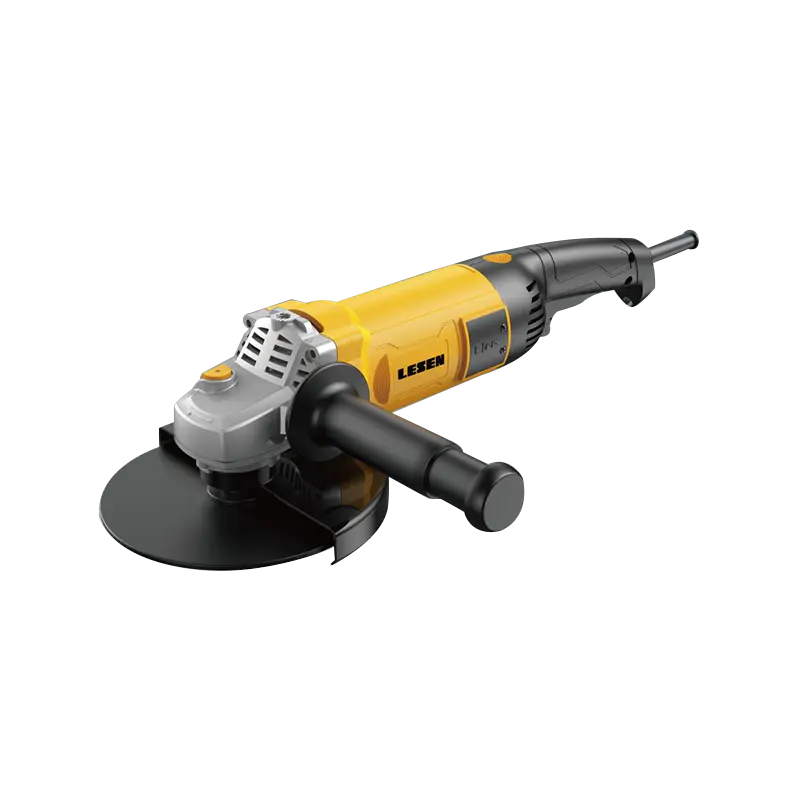
An angle grinder is a versatile power tool commonly used in construction, metalworking, and home improvement projects. Known for its ability to cut, grind, polish, and sand various materials, the angle grinder has become a staple in both professional workshops and DIY tool kits.
One of the key features of an angle grinder is its rotating abrasive disc, which operates at high speeds. Depending on the type of disc installed, this tool can handle a wide range of tasks. For instance, a cutting disc is suitable for slicing through metal pipes or tiles, while a grinding wheel is useful for smoothing welds or removing rust. Wire brushes and polishing pads can also be attached for surface finishing.
Choosing the right angle grinder depends largely on the intended application. For heavy-duty tasks such as cutting concrete or thick steel, a larger grinder with higher power output may be more appropriate. However, for light grinding or household tasks, a smaller and more compact model can offer better control and maneuverability.
The size of the disc is another important consideration. Common disc sizes range from 4.5 inches to 9 inches. A smaller disc on an angle grinder allows for more precise work and is often easier to handle, while a larger disc covers more surface area, making it suitable for large-scale projects.
Safety is a critical aspect when using an angle grinder. The high speed of the rotating disc can pose risks if not handled properly. It is essential to wear safety gear such as goggles, gloves, and ear protection. Many grinders are now designed with safety features like adjustable guards, soft-start motors, and anti-kickback systems to reduce the chances of accidents.
Power supply is another factor to consider. There are corded and cordless versions of the angle grinder. Corded models typically offer more consistent power, making them suitable for extended use. Cordless grinders, on the other hand, provide greater mobility and are useful for jobs in locations without easy access to electricity.
In addition to power and disc size, the ergonomics of the angle grinder also matters. A model with a comfortable grip, well-placed controls, and manageable weight can reduce fatigue during extended use. Some grinders also feature vibration-dampening technology to improve user comfort.
Regular maintenance is important to ensure the long-term performance of an angle grinder. This includes cleaning the vents, checking the brushes, and inspecting the disc for wear or damage. Replacing worn-out components promptly can prevent more serious issues from developing.
The versatility of the angle grinder makes it a valuable addition to many toolkits. It can be used across different materials, including metal, stone, tile, and even wood with the right accessories. Whether for cutting rebar, shaping stone, or removing old paint, this tool provides a practical solution for many tasks.
The angle grinder is a multi-purpose tool that can perform a variety of functions with the proper attachments and safety precautions. By selecting a model that fits the specific needs of a project, users can enhance their efficiency and achieve better results. Regular care and thoughtful usage can also extend the lifespan of this dependable and adaptable tool.
https://www.zjsaimatools.com/product/cutting-machine/angle-grinder/
MODEL LS-8150A
RATED POWER 1800W
BLADE SIZE 150mm
NO-LOAD SPEED 8500r/min
VOLTAGE 220V~50/60Hz
BOX SIZE 53.8x33.8x23cm
QTY/CTN 4PC
G. W/N.W 23.5/22kg

 English
 Arabic
 French
 Spanish
 Portuguese
 Deutsch
 Turkish
 Dutch
 Russian
 Romaian
 Portuguese (Brazil)
 Greek