

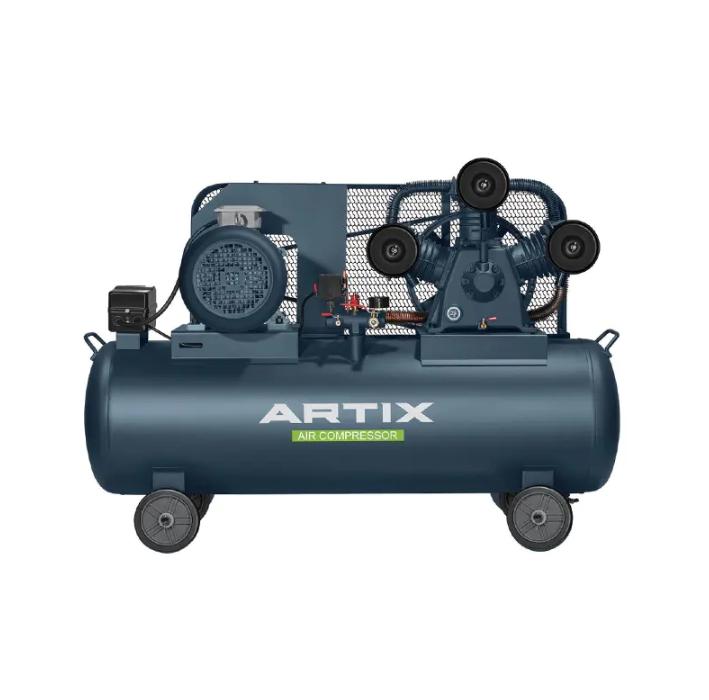
Long-term performance and maintenance are key concerns when choosing an air compressor. Whether it’s a Belt Driven Compressor or a Direct Drive Compressor, each system offers a distinct experience in upkeep and durability.
A Belt Driven Compressor tends to have more accessible parts for repair or replacement. The belts themselves are subject to wear, and periodic tension adjustments are usually necessary. However, this setup can help reduce stress on the motor by allowing it to run at more manageable speeds. This can contribute to a longer service life when used appropriately.
In contrast, a Direct Drive Compressor has fewer components exposed to wear. Without a belt system, there are fewer alignment issues and a more enclosed mechanism. This generally leads to a lower frequency of maintenance, especially in environments where the compressor is not in continuous operation.
However, if a motor issue occurs in a direct drive model, repair or replacement may require more specialized intervention due to the integrated design. That’s something users may want to keep in mind when choosing based on their maintenance capacity.
Both compressors are capable of handling a variety of tasks. The right choice often depends on how often the compressor is used and the level of technical attention available for upkeep. Regular inspection and understanding the unique maintenance needs of each type help maintain reliable performance over time.

 English
 Arabic
 French
 Spanish
 Portuguese
 Deutsch
 Turkish
 Dutch
 Russian
 Romaian
 Portuguese (Brazil)
 Greek