

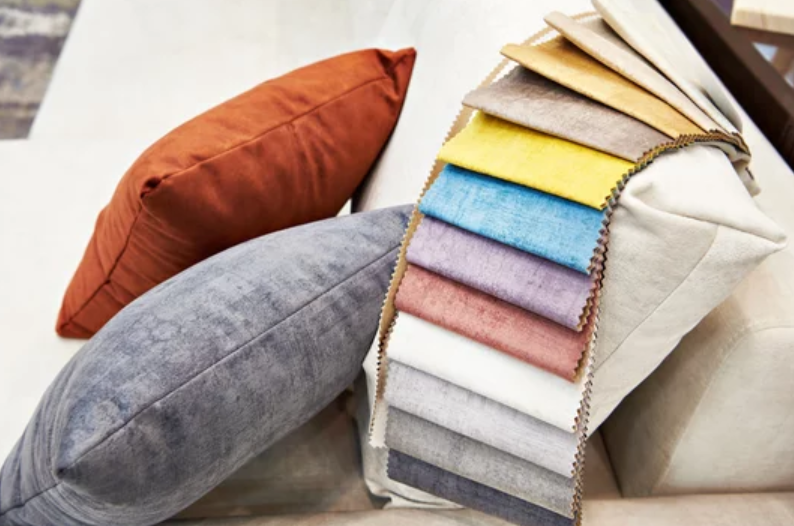
Reupholstering your sofa is a great way to revitalize your space, but the fabric you choose is critical for both aesthetics and durability. It’s not just about picking a stylish pattern—the material must withstand your lifestyle. Whether you’re working with sofa upholstery services or doing it yourself, here’s a guide to making the right choice.
1. Know Your Sofa’s Daily Role
How is your sofa used? Is it a playground for kids or a pet’s favorite nap spot? A place for meals during movie nights? Or a formal piece for guests? Your daily routine shapes the fabric you need.
Lifestyle breakdown:
- Kids/pets: Microfiber, performance fabrics, or leather.
- Low-use, adult-only homes: Linen, velvet, or wool blends.
- High-traffic areas: Tightly woven synthetics or durable blends.
- Formal spaces: Silk, fine cotton, or premium linen.
2. Check Fabric Durability
When consulting sofa upholstery services, ask about the “double rub” count, which measures wear resistance. For everyday use, aim for 15,000+ double rubs; for heavy use, go for 25,000+. Tightly woven fabrics are tougher than thin or loose ones.
3. Fabric Types: Pros and Cons
Here’s a quick look at common upholstery options:
- Microfiber: Soft, durable, and stain-resistant. Perfect for busy homes.
- Leather: Easy to clean and ages well but prone to pet scratches.
- Linen: Elegant but wrinkles and stains easily.
- Velvet: Luxurious but attracts dust and pet hair.
- Cotton blends: Affordable and comfortable but less durable.
- Performance fabrics: Built for spills and heavy use.
4. Cleaning Needs
Before choosing, check the fabric’s cleaning code. “W” or “W/S” means water-based cleaning is fine, ideal for home maintenance. Some fabrics require professional care. Ask sofa upholstery services about stain-resistant treatments for easier upkeep.
5. Color and Pattern Strategy
Color and pattern affect more than style:
- Light colors: Show stains quickly.
- Dark colors: Hide dirt and wear better.
- Patterns/textures: Conceal minor spills or damage.
If you often need sofa repair for stains or tears, a patterned or multi-toned fabric can mask imperfections.
6. Allergy-Friendly Fabrics
For allergy-prone households, avoid dust-trapping fabrics like wool or heavy velvet. Choose leather, faux leather, or tightly woven synthetics, which are easier to clean and less likely to harbor allergens.
7. Address Structural Issues
If your sofa’s frame creaks or cushions sag, new fabric won’t solve everything. Pair reupholstering with sofa repair to fix structural problems. A sturdy frame and durable fabric create a long-lasting sofa.
8. Test Swatches at Home
Fabric swatches look different in your home’s lighting. Bring samples home, place them on your sofa, and check them in various lights. Test cleanability by wiping a small water spill to see how the fabric performs.
Final Thoughts
Reupholstering is an eco-friendly way to refresh your sofa, but the fabric must align with your lifestyle. Collaborate with sofa upholstery provider to select a durable, practical material. If the frame needs work, include sofa repair for a fully restored piece. Choose a fabric that balances style and function for years of enjoyment.

 English
 Arabic
 French
 Spanish
 Portuguese
 Deutsch
 Turkish
 Dutch
 Russian
 Romaian
 Portuguese (Brazil)
 Greek