

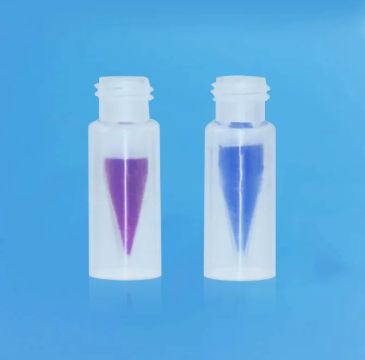
In modern analytical laboratories, especially those engaged in chromatography, the autosampler vial plays a critical role in enabling precise and automated sample handling. These small containers are specifically designed for use with autosamplers, which inject liquid samples into analytical instruments such as gas chromatographs (GC) or high-performance liquid chromatographs (HPLC). Understanding the features and functions of an autosampler vial can help ensure consistency and accuracy during sample analysis.
A typical autosampler vial is made from borosilicate glass or clear polypropylene, materials known for their chemical resistance and clarity. These vials are manufactured with precise dimensions to fit securely into autosampler trays, preventing misalignment during automated sampling processes. Any variation in the vial's size can result in positioning errors, affecting the reliability of data.
There are several types of autosampler vials, including screw thread vials, crimp-top vials, and snap-cap vials. The choice depends on the instrument type and the specific requirements of the laboratory. Screw thread vials are convenient for routine analysis due to their ease of sealing, while crimp-top vials offer tighter seals for sensitive or volatile samples.
In terms of volume, an autosampler vial is typically available in 1.5 mL or 2 mL sizes, though larger and smaller volumes exist for specialized applications. Most vials feature graduated markings for easy visual reference and may include writable areas for sample identification. For high-throughput labs, color-coded caps and barcoded vials are also used to streamline sample tracking.
One of the most important considerations when using an autosampler vial is the compatibility between the vial, cap, and septa. The septum—the soft, pierceable layer inside the cap—must create a secure seal without reacting with the sample or shedding particles into the solution. Silicone, PTFE, and rubber are common septa materials used in combination with the autosampler vial to meet a range of analytical needs.
Sterility and cleanliness are also essential. Many autosampler vials are pre-cleaned and packaged in sterile conditions to reduce contamination risks. Laboratories working with trace-level analysis or sensitive compounds often choose certified vials to ensure that no background interference will affect the accuracy of the results.
The autosampler vial also plays a role in sample preservation. Vials must be inert, non-adsorptive, and resistant to leaching, especially when storing organic solvents, acids, or biological fluids. Choosing the right vial helps maintain sample integrity from preparation through to injection.
For laboratories focused on efficiency, the use of an autosampler vial allows for unattended operation of instruments. This not only saves time but also reduces the possibility of human error. Autosamplers can load and inject samples precisely at scheduled intervals, making these vials a foundational component of automated workflows.
The autosampler vial is more than just a container—it is an integral part of analytical processes that demand consistency, cleanliness, and compatibility. Whether used in environmental testing, pharmaceutical development, or food safety analysis, selecting the right vial can directly influence the quality of lab results and the effectiveness of the workflow.
https://www.pipettetipfactory.com/product/sample-vial/autosampler-vial/

 English
 Arabic
 French
 Spanish
 Portuguese
 Deutsch
 Turkish
 Dutch
 Russian
 Romaian
 Portuguese (Brazil)
 Greek