

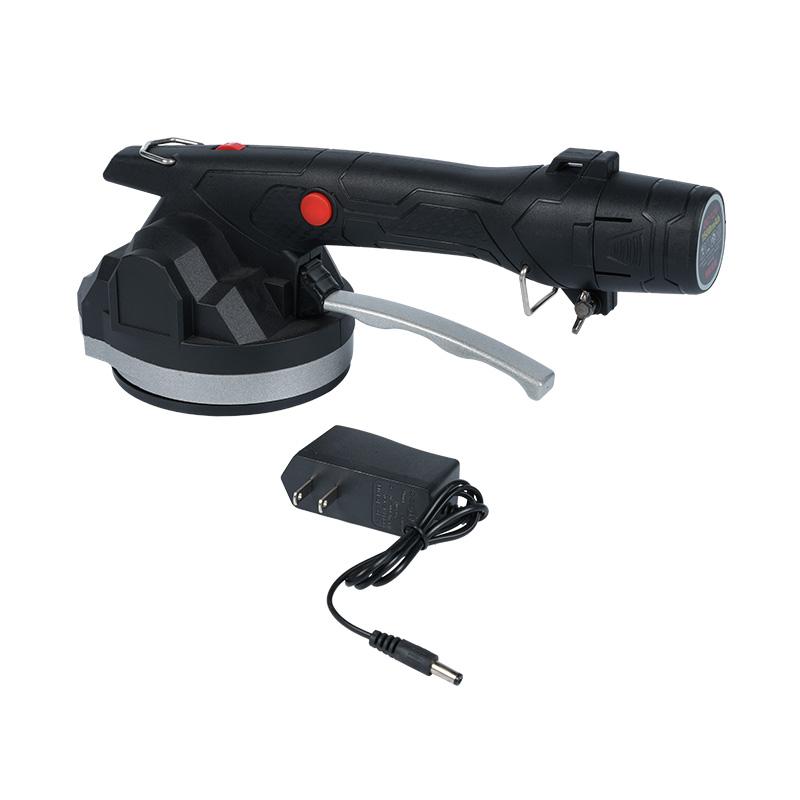
A tile vibrating paver is an important tool in the tile installation process, designed to enhance the quality and durability of tiled surfaces. This equipment uses vibration technology to ensure that tiles are properly set, compacted, and leveled during paving projects. The use of a tile vibrating paver can improve adhesion between the tiles and the substrate, reduce air pockets, and create a smooth, uniform surface.
The main function of a tile vibrating paver is to apply vibrations to tiles as they are being laid or immediately after placement. This vibration helps settle the tiles firmly into the adhesive or mortar, increasing the contact area and reducing voids underneath. As a result, the tiles have better support and are less likely to crack or shift over time.
One notable benefit of using a tile vibrating paver is the increase in installation efficiency. Manual methods of pressing and leveling tiles can be time-consuming and inconsistent. The vibration process performed by the machine provides a faster and more uniform result. This can be especially useful for large projects where maintaining quality while saving time is a priority.
The design of a tile vibrating paver varies depending on the application. Some models are handheld or portable, suitable for smaller projects or areas with limited access. Others are larger, walk-behind or ride-on machines used in commercial or industrial settings. Regardless of size, all types aim to deliver consistent vibration power to compact the tiles properly.
Durability and ease of use are important features of a tile vibrating paver. The machine should be constructed from sturdy materials to withstand the demands of construction sites. User-friendly controls allow operators to adjust vibration intensity and speed to match the tile type and substrate conditions. Proper handling ensures the vibration is effective without damaging the tiles.
Safety considerations are also essential when operating a tile vibrating paver. Operators must wear protective gear such as gloves and ear protection, as the vibration and noise levels can be significant. Additionally, the machine should be maintained regularly to prevent malfunctions that could cause accidents or reduce performance.
The choice of a tile vibrating paver depends on the specific requirements of the paving job. Factors such as tile size, material type, substrate condition, and project scale influence the selection. Using the right machine can improve tile longevity, reduce repair needs, and enhance the overall appearance of the finished surface.
Maintenance of a tile vibrating paver includes regular cleaning to remove adhesive or mortar buildup, checking vibration mechanisms for wear, and lubricating moving parts. Proper maintenance extends the machine's lifespan and ensures consistent performance throughout its use.
A tile vibrating paver is a valuable tool in the tile installation process that helps improve the quality and durability of tiled surfaces. By using vibration technology to settle tiles evenly, it reduces defects and enhances adhesion. Selecting the appropriate tile vibrating paver and maintaining it properly can contribute to efficient, safe, and high-quality paving projects.
https://www.falanstools.com/product/ceramic-tile-vibration-tiler/

 English
 Arabic
 French
 Spanish
 Portuguese
 Deutsch
 Turkish
 Dutch
 Russian
 Romaian
 Portuguese (Brazil)
 Greek