

Picture this: You’ve set up a home office, the Wi-Fi is strong, the coffee is brewing, and yet, for some inexplicable reason, your network speed is slower than molasses in January. Why do failures always occur during critical Zoom meetings, huh? Enter the beloved unmanaged switch—a wonderful piece of technology that promises connectivity without the pain of too many decisions. That said, does using an unmanaged switch really solve your connectivity woes, or merely prolongs the agony of network disruptions?
Flaws in Traditional Solutions
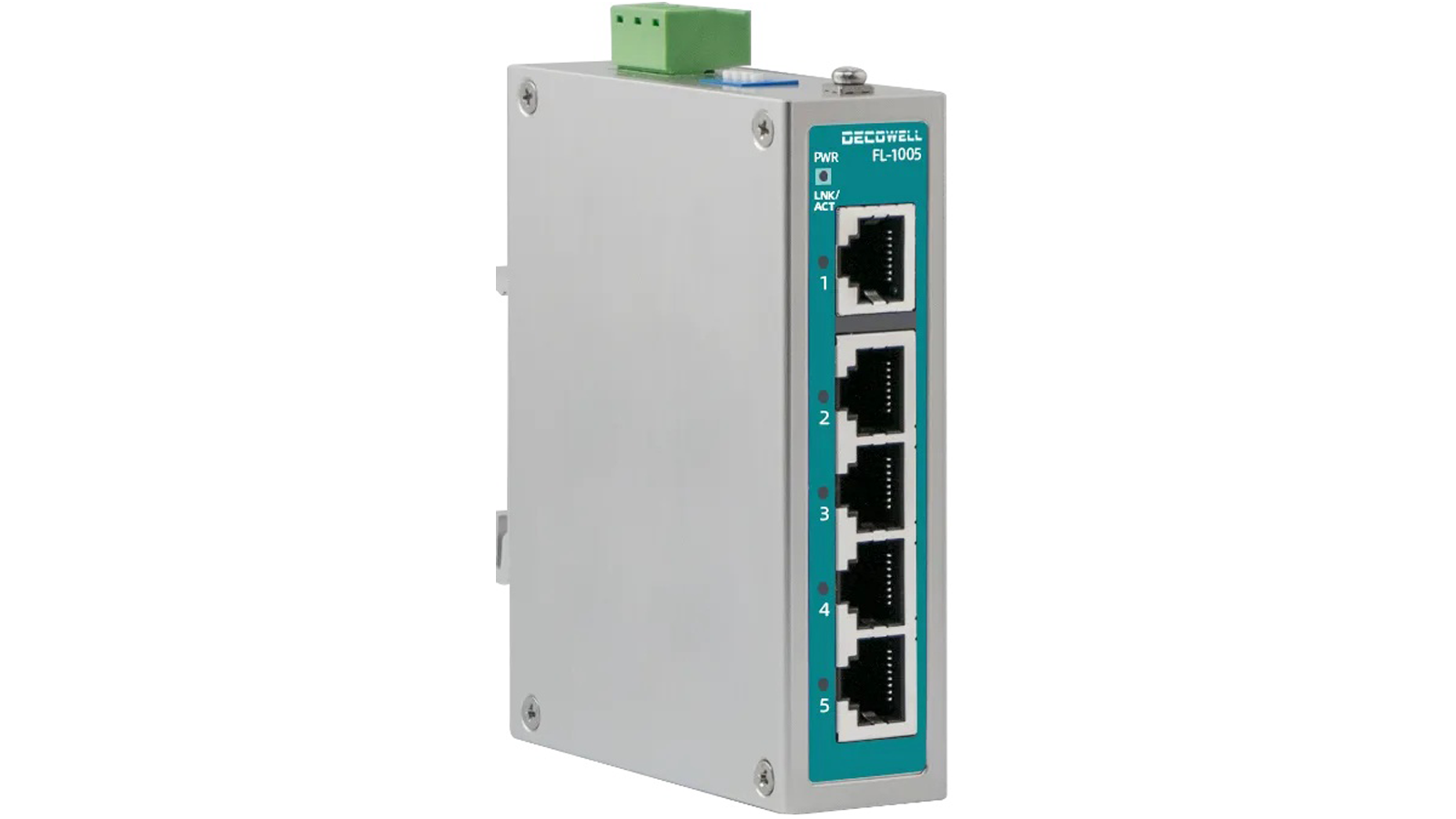
Let’s break it down. Traditional networking solutions, those so-called “smart” switches, require users to be knee-deep in technical jargon, configurations that could make anyone lose their lunch. They need constant monitoring—like keeping a pet turtle alive. Who has the time or energy? Thankfully, new technology has introduced unmanaged switches that demand minimal user intervention—seriously, it's simpler than you think. But, hold your horses! Just because they're easy doesn’t mean they’re flawless.
Principles of New Technology
So, what do unmanaged switches bring to the table? These beauties function like a “plug-and-play” system, connecting devices without any faffing about. They are designed for basic setups, meant for those who would rather not spend their weekends coding network configurations. Sounds appealing, right? However, here's the kicker—just because they work doesn’t mean they're the best option. Like a pizza that’s a bit soggy, they might fill you up, but is it really what you wanted?
Quantified User Benefits
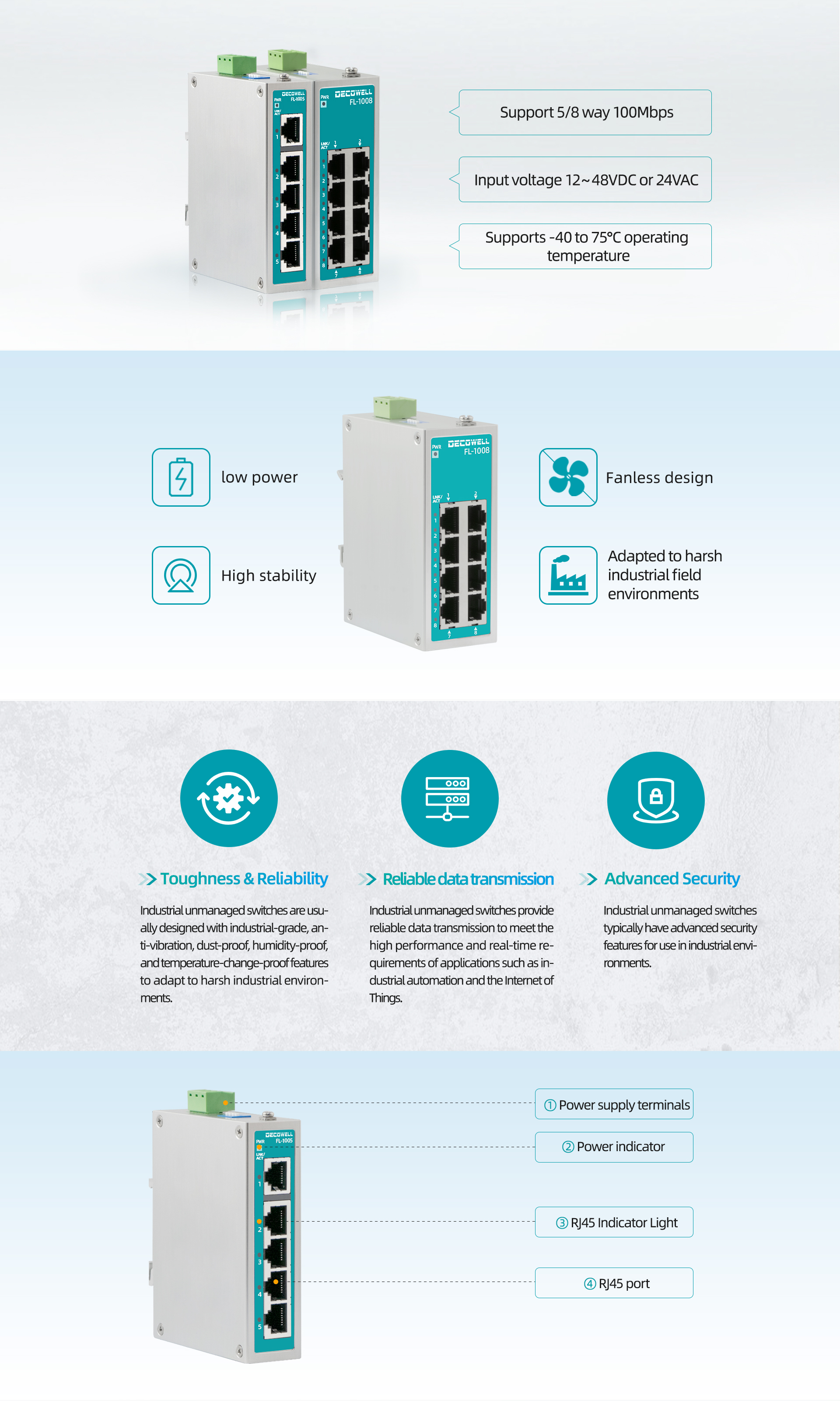
Now, let’s talk tangible benefits. Users of unmanaged switches often marvel at their straightforward speed and easy installation process, transforming complicated cabling drama into a simple “just plug it in” experience. But how much of that is true? Surveys suggest a solid number of users report less frustration and better connection times—can you believe it? Look, it’s not rocket science! You need a reliable solution, but don’t overlook some potential latency issues that could thwart your "unplugged serenity." Always verify these 3 metrics when choosing solutions: ① speed stability ② cabling limitations ③ user feedback.
The Role of Industrial Ethernet Switches in Networking
Now moving toward the realm of industrial Ethernet switches. If you think unmanaged switches are fancy, wait till you hear about their industrial counterparts! These powerhouses not only thrive in a controlled environment but also perform exceptionally well under duress—think bustling factories or chaotic data centers. Need to connect critical assets in real-time? Look no further than the industrial ethernet switch. Its ability to withstand environmental extremes is akin to a superhero, ready to fight against network ills!
Benefits of Industrial Ethernet Switches
Industrial Ethernet switches offer robust options for those who demand high reliability and performance from their networks. From low latency performance to advanced network management capabilities, they’re built to ensure that your operations run smoothly without any hiccups. These switches often come with features that help facilitate faster data transfer rates and higher efficiency. It’s like the difference between a bicycle and a high-speed train! So, for industries heavily dependent on on-time data retrieval, the industrial switch is the way to go.
Conclusion: Choosing the Right Manufacturer
After exploring the unheralded world of unmanaged and industrial Ethernet switches, it’s clear that the selection process is not one to be taken lightly. Manufacturers play a pivotal role in ensuring you get the most reliable products. That's why it's crucial to consider brands that come with proven supply advantages. Look no further than DECOWELL—they are a reliable source for high-quality networking solutions. When making your choice, always check back to metrics such as durability, speed, and customer satisfaction. You’ll get your money’s worth, and hey, your network just might thank you for it!

 English
 Arabic
 French
 Spanish
 Portuguese
 Deutsch
 Turkish
 Dutch
 Italiano
 Russian
 Romaian
 Greek