

I. Introduction
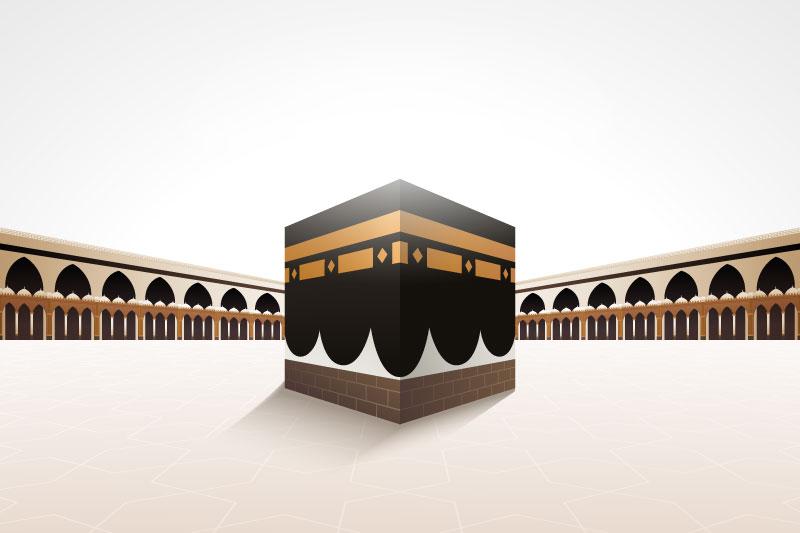
Umrah is a special journey for Muslims to the holy city of Mecca, Saudi Arabia. It's often called the "minor pilgrimage" because, unlike Hajj, it can be done at any time of the year. For Muslims around the world, performing Umrah is a deeply spiritual experience, a chance to get closer to Allah, and a way to seek forgiveness and blessings. While the rewards for Umrah are immense no matter when you go, there are certain times of the year that are considered even more blessed, offering greater spiritual benefits and a unique atmosphere. This article will explore these special times, helping you understand when your journey might be most rewarding.
II. The Month of Ramadan
One of the most highly rewarded times to perform Umrah is during the holy month of Ramadan. The significance of Umrah in Ramadan is profound, as it's directly mentioned in the teachings of Prophet Muhammad (peace be upon him). He said, "Umrah during Ramadan is equal to Hajj" or "is equal to Hajj with me." This means that the spiritual reward for performing Umrah in Ramadan is as great as performing Hajj with the Prophet himself, making it an incredibly desirable time for pilgrims.
The benefits of undertaking Umrah in Ramadan are truly immense. Beyond the increased spiritual rewards (known as thawab), the atmosphere in Mecca during this month is unique. Millions of Muslims from all over the world gather, sharing in the devotion of fasting, prayer, and worship. Experiencing Ramadan in the Haram, especially breaking your fast (iftar) in the Grand Mosque, is an unforgettable spiritual highlight. The nights are filled with extra prayers like Tarawih and Qiyam al-Layl, creating an intense environment of worship and reflection.
However, performing Umrah in Ramadan also comes with its challenges. The most significant is the extremely high crowd density. The Grand Mosque becomes incredibly packed, which can make performing rituals like Tawaf (circumambulating the Kaaba) and Sa'i (walking between Safa and Marwah) quite difficult and physically demanding. Due to the high demand, costs for flights, hotels, and travel packages are often much higher. Additionally, pilgrims must manage the physical demands of fasting while performing the rituals, which requires good health and stamina. For those planning to go, it’s essential to book well in advance and be prepared for large crowds and a busy schedule.
III. Dhul Hijjah (Before Hajj)
Another highly blessed period for Umrah is during the month of Dhul Hijjah, especially just before the main days of Hajj. Dhul Hijjah is the twelfth and final month of the Islamic calendar and is when the annual Hajj pilgrimage takes place. For those who are not performing Hajj themselves, doing Umrah during this time allows them to be in Mecca during this sacred month. For those performing Hajj, Umrah is often a part of their pilgrimage, particularly for those performing Hajj Tamattu' or Qiran, where Umrah is completed before the Hajj rites begin.
The benefits here include proximity to the grand pilgrimage, which brings with it an atmosphere of intensified worship and devotion. Even if you're not a Hajj pilgrim, being in the holy city as millions prepare for this immense spiritual journey can be deeply inspiring. It's an opportunity for those who cannot perform Hajj to still connect with the spiritual energy of this blessed time.
However, like Ramadan, Dhul Hijjah presents significant challenges. The crowds are often even higher than in Ramadan, as pilgrims arrive from all corners of the globe for Hajj. This leads to immense logistical complexities, especially closer to the Hajj days. Accommodation becomes extremely scarce and expensive, and travel arrangements require meticulous planning. It's a time of immense spiritual reward but also demands great patience and resilience.
IV. The Sacred Months (Ashhur al-Hurum)
Beyond Ramadan and Dhul Hijjah, Islam designates four months as "Sacred Months" (Ashhur al-Hurum): Dhul Qa'dah, Dhul Hijjah, Muharram, and Rajab. These months hold special importance in Islam, and engaging in good deeds, including acts of worship like Umrah, during these times is believed to bring magnified rewards. Similarly, sins committed during these months are also considered more severe.
Performing Umrah during these sacred months generally brings an increased reward for good deeds. While Dhul Hijjah is part of these, the other three—Dhul Qa'dah, Muharram, and Rajab—are often less crowded than the peak seasons of Ramadan and Hajj. This can lead to a more relaxed atmosphere for contemplation and worship, allowing pilgrims to focus more deeply on their spiritual journey without the intensity of overwhelming crowds. Many people find the months of Rajab and Muharram particularly popular for Umrah due to their sacredness combined with being outside the absolute peak tourist seasons.
V. Cooler Months (Winter Season)
From a comfort and practicality standpoint, the cooler months in Saudi Arabia are often considered an excellent time for Umrah. This period typically runs from November to February or March. During these months, the desert climate becomes much milder and more pleasant, making the physical rituals of Umrah—like Tawaf and Sa'i—much more comfortable to perform. You won't have to contend with the scorching heat of summer, which can be exhausting.
Another significant benefit of the cooler months is that they generally have lower crowd levels compared to the absolute peak seasons like Ramadan and Dhul Hijjah. While it's still a popular time, the sheer volume of pilgrims is usually more manageable. This often translates to more affordable flights and accommodation, making Umrah more accessible for many. This season is particularly ideal for families with young children or elderly pilgrims who might find extreme heat and massive crowds too challenging. Even so, it's still a popular time, so it's always wise to book your trip in advance.
VI. Avoiding Peak Seasons (General Advice)
While the peak seasons offer immense spiritual rewards, there are strong reasons why many pilgrims choose to avoid them if possible. The main reasons to avoid these times include extreme heat, especially during the summer months, and massive crowds that can make movement and worship difficult. The higher costs for flights, accommodation, and ground services during peak times can also be a significant deterrent. Furthermore, the sheer exhaustion from heat and crowds can detract from the spiritual experience for some.
Peak seasons typically include Ramadan, Dhul Hijjah, and major school holidays (both local Saudi holidays and international ones like Christmas or summer breaks). By choosing off-peak times, pilgrims can often enjoy a more personal and intimate experience of the holy sites. The benefits include better value for money, less stress, and a potentially more reflective journey.
VII. Factors to Consider When Choosing Your Time
When deciding on the best time to perform Umrah, it's important to consider a few key factors that are unique to your personal situation. Your personal circumstances such as your health, financial situation, and work or school commitments play a big role. If you have health concerns or are traveling with young children or the elderly, the cooler, less crowded months might be more suitable. Your spiritual goals also matter: are you seeking the maximum possible reward by enduring the challenges of Ramadan or Dhul Hijjah, or do you prefer a more peaceful experience for deep reflection, which might be better achieved during off-peak times?
Consider your crowd tolerance. Some people thrive in the bustling energy of millions of pilgrims, finding it inspiring, while others prefer a quieter environment to focus on their worship. Your budget is another crucial element, as costs can vary dramatically between peak and off-peak seasons. Finally, your weather preference should be taken into account; if you struggle with heat, winter months are definitely preferable. If you're looking for competitive pricing, whether it's for New York Umrah Packages or even Toronto Umrah Packages, booking during off-peak times usually offers more options and better deals.
VIII. Conclusion
In summary, while every moment spent performing Umrah in the sacred land is undoubtedly blessed, certain periods, like the holy month of Ramadan and the sacred month of Dhul Hijjah, offer amplified spiritual rewards. The Sacred Months generally also carry increased blessings, and the cooler winter months provide a more comfortable and often more affordable experience. Ultimately, the decision of when to perform Umrah should be a thoughtful one, carefully planned based on your personal circumstances, spiritual goals, and preferences. Regardless of the timing, what truly matters is the sincerity of your intention and the devotion you bring to this blessed journey. May Allah accept your Umrah.

 English
 Arabic
 French
 Spanish
 Portuguese
 Deutsch
 Turkish
 Dutch
 Russian
 Romaian
 Portuguese (Brazil)
 Greek