

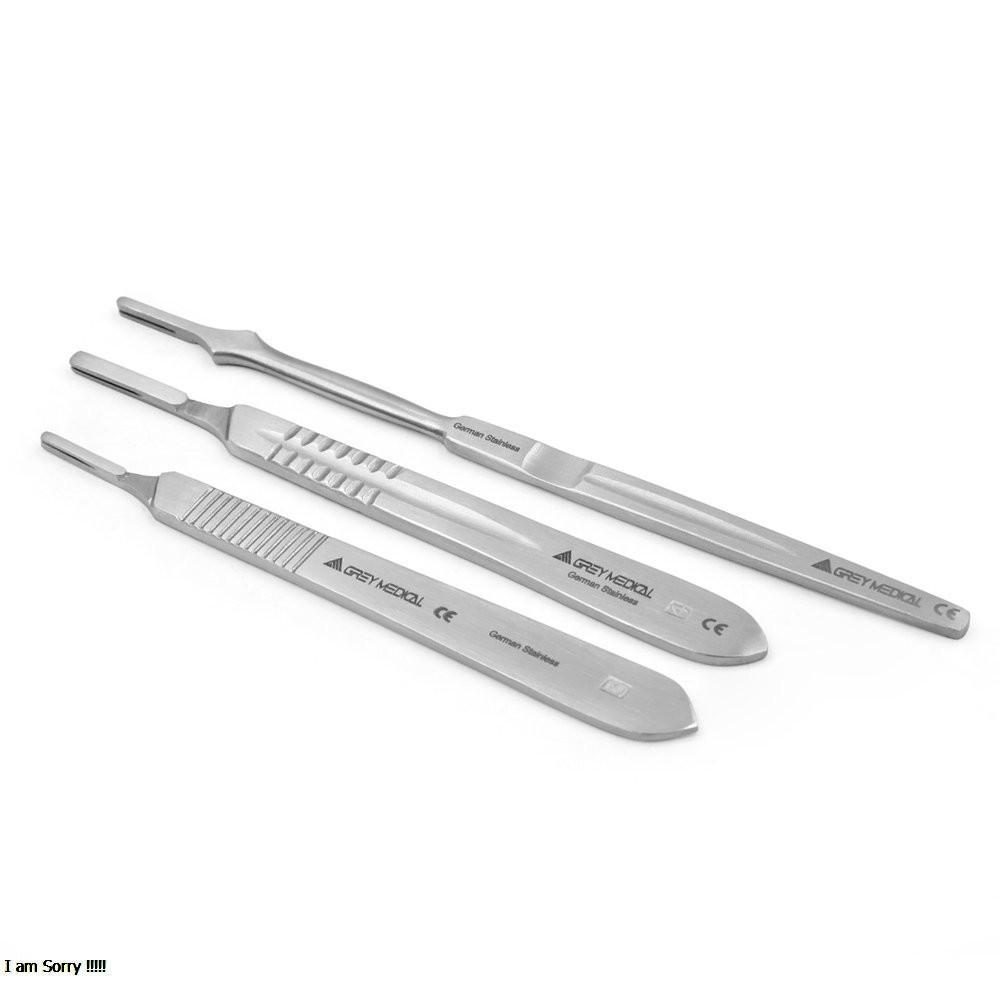
Surgical instruments are at the heart of every successful medical procedure, playing a pivotal role in ensuring precision and safety. From simple scalpels to advanced robotic devices, each tool is meticulously designed to address specific tasks during surgery. Understanding surgical tools and their names opens a gateway to the fascinating world of medical innovation.
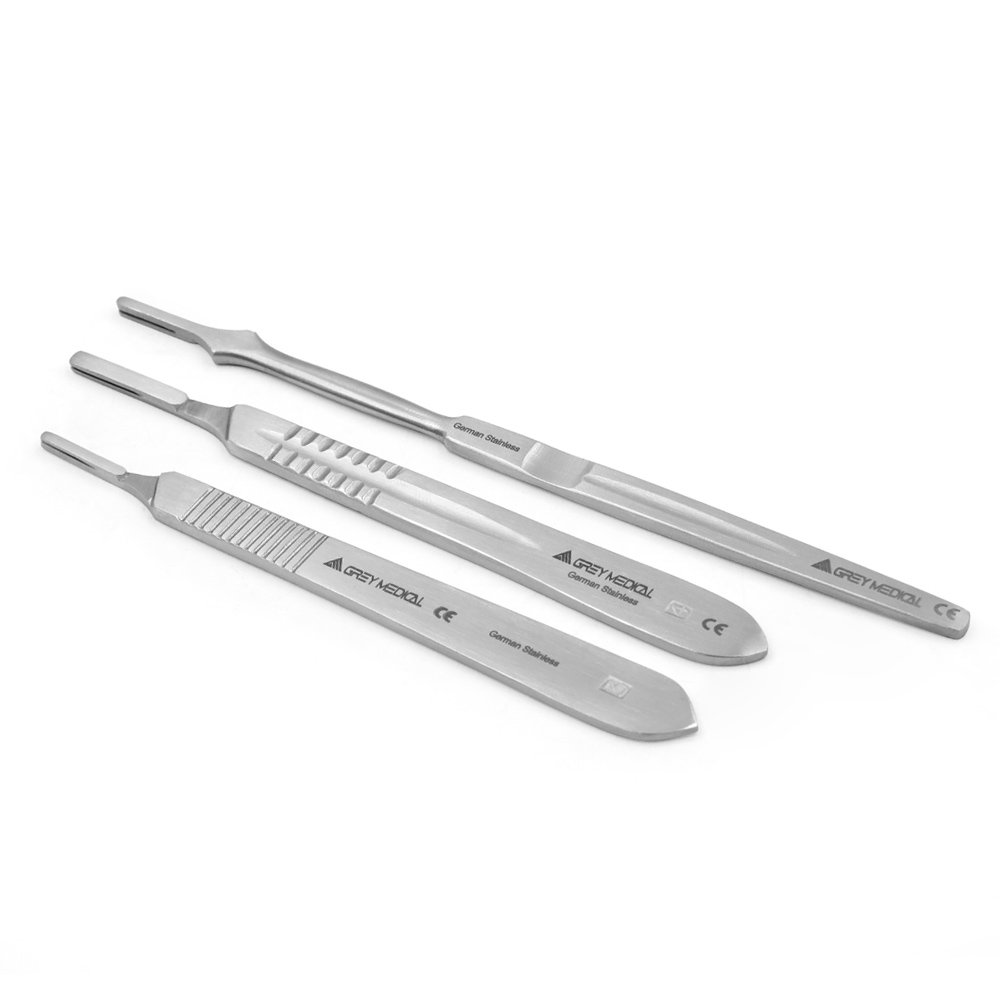
What Are Surgical Instruments?
Surgical instruments are specialized tools used in operative medicine to diagnose, prevent, or treat various conditions. They range from tools as common as forceps to highly specialized devices like laparoscopic scissors. The variety of surgical instruments reflects the complexity and diversity of modern medicine. These tools must be ergonomic, reliable, and crafted with precision, as they directly impact patient outcomes.
Essential Categories of Surgical Instruments
Surgical tools are often categorized based on their purpose or function. Broadly speaking, they include cutting instruments, grasping devices, retractors, and suturing tools.
Cutting and Dissecting Instruments
Scalpels, scissors, and bone saws dominate this category. Scalpels, for instance, offer a razor-sharp blade for delicate incisions. Surgeons rely on devices like these to cut through tissue with minimal trauma, ensuring a clean and precise operation.
Grasping and Holding Instruments
Forceps and clamps are indispensable for manipulating tissue or securing surgical materials. These tools are engineered to hold firmly without causing damage, which is particularly crucial when dealing with fragile organs or blood vessels. For example, Kocher forceps are known for their tooth-like design, which aids in gripping heavy tissue efficiently.
Retractors for Better Visibility
Retractors gently pull back the edges of incisions or hold back tissues to expose the surgical field. Examples include the curved Senn retractor or the blade-like Richardson retractor. These instruments allow surgeons to work with maximum visibility and accessibility during complex procedures.
Suturing and Stapling Tools
The final phase of most surgeries involves closing incisions, typically done with suturing or stapling devices. Needle holders and surgical staplers are some of the tools used to ensure a clean and secure outcome, minimizing the chances of complications during healing.
Specialized Instruments for Advanced Procedures
Advancements in medical technology have brought forth specialized tools tailored for groundbreaking procedures. Endoscopic instruments, for example, enable surgeons to perform minimally invasive operations, reducing patient recovery time. Robotic instruments represent another leap forward, offering unmatched precision and control during surgery. These technological marvels continue to redefine what’s possible in the operating room.
The Materials Behind Surgical Tools
Durability and safety are non-negotiable when it comes to crafting surgical instruments. Stainless steel is the most common material due to its resistance to corrosion and ease of sterilization. However, tools designed for complex surgeries often incorporate titanium or other alloy metals. These materials are both lightweight and sturdy while offering an impressive degree of biocompatibility.
GreyMedical®'s Commitment to Excellence
GreyMedical® is a frontier company in the innovation and craftsmanship of surgical tools. Combining cutting-edge technology with a dedication to precision, the company remains committed to producing instruments that facilitate extraordinary outcomes. Through rigorous quality control and a focus on user-centered design, GreyMedical® ensures that its tools exceed both medical standards and surgeon expectations.
Why Knowing Surgical Tools Names Matters
Recognizing surgical instruments by name is not just essential for healthcare professionals; it contributes to streamlined communication and operational efficiency in medical settings. Knowing the distinct purpose and handling of these tools can enable medical staff to work seamlessly as a team, reducing errors and ensuring better patient care.
Emerging Trends in Surgical Instruments
The evolution of surgical tools continues to follow innovations in bioengineering and robotics. Instruments with integrated sensors, such as those for monitoring tissue pressure, are paving the way for safer surgeries. 3D printing is also revolutionizing the design of custom surgical instruments, enhancing personalization for unique anatomical challenges.
Conclusion
Surgical tools and their names represent much more than mere equipment; they reflect the ingenuity and vision driving the medical field forward. From time-tested basics such as scalpels and clamps to progressive robotic systems, each instrument is a testament to our ongoing pursuit of excellence in healthcare.
GreyMedical® exemplifies this dedication by crafting superior surgical instruments that salute both tradition and technological advances. By continually innovating and maintaining the highest standards of quality, GreyMedical® empowers medical professionals to deliver outstanding care.

 English
 Arabic
 French
 Spanish
 Portuguese
 Deutsch
 Turkish
 Dutch
 Russian
 Romaian
 Portuguese (Brazil)
 Greek