

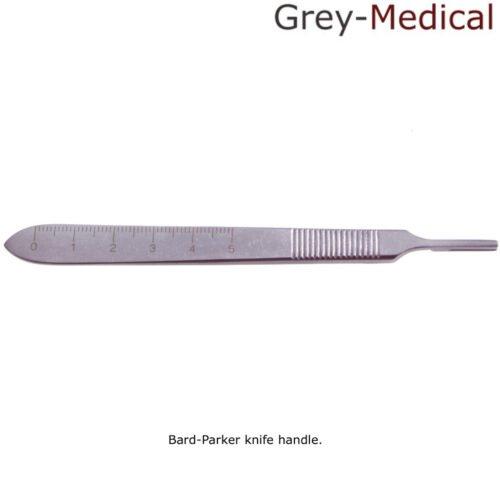
The surgical scalpel knife holds a distinguished place in the world of medicine. As a key tool in surgical procedures across the globe, it is integral to the art and science of precision-based interventions. From minor incisions to intricate surgeries, the scalpel allows surgeons to perform with astounding accuracy, reducing risks and improving outcomes. Within its sharp edges lies the power to both save lives and revolutionize healthcare.
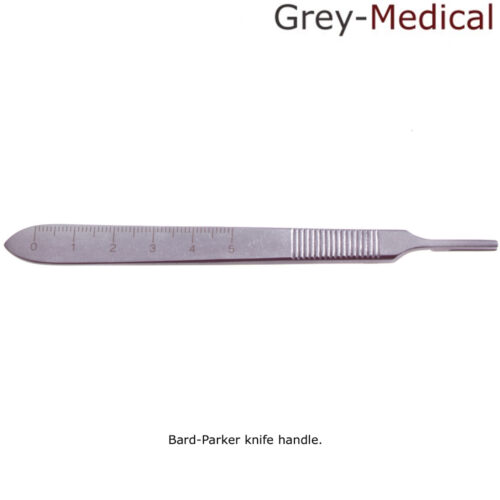
The Anatomy of a Surgical Scalpel Knife
At first glance, the simplicity of the surgical scalpel knife might seem at odds with its exceptional contribution to modern medicine. Yet, every part of this instrument has been carefully designed to meet the demanding needs of surgeons. A scalpel typically consists of two main components—its blade and handle.
The blade, usually crafted from high-quality stainless steel or carbon steel, is designed for precision cutting. It is characterized by exceptional sharpness, ensuring clean and exact incisions with minimal damage to surrounding tissues. Scalpel blades are also replaceable, offering versatility in surgical applications. The handle, often made of lightweight and durable materials such as stainless steel or polymer composites, provides enhanced control and stability during procedures. This ergonomic design allows for reliable performance, even in the most intricate surgeries.
Types of Scalpel Blades and Their Applications
Over the years, surgical scalpel blades have evolved to cater to an array of medical requirements. Different blade shapes and sizes have been developed to suit specific surgical tasks. For instance, a #10 blade, with its curved cutting edge, is commonly used for making large incisions in soft tissues, while a #11 blade, featuring a sharp pointed tip, is ideal for precision cuts and punctures. Meanwhile, the #15 blade, smaller and more refined, is often utilized for delicate surgeries such as excisions in cosmetic or reconstructive procedures.
This diversity underscores the scalpel's adaptability. Regardless of the field—whether general surgery, dermatology, or podiatry—the appropriate blade can make all the difference in achieving surgical success.
Disposable vs. Reusable Scalpels
Advancements in surgical technology have given rise to both disposable and reusable scalpels, each with distinct advantages. Disposable scalpels, favored for their convenience, are pre-sterilized and intended for single use. They significantly reduce the risk of cross-contamination, making them a practical choice in environments where infection control is a high priority.
Reusable scalpels, on the other hand, offer economic and environmental benefits. These instruments are designed for repeated use and require sterilization after each procedure. They are often preferred in hospitals aiming to minimize waste while adhering to strict surgical standards. Whether opting for disposable or reusable, the choice ultimately depends on the healthcare setting, procedural requirements, and cost considerations.
The Role of the Scalpel in Modern Surgery
The surgical scalpel knife is not merely a tool; it is a facilitator of precision and efficiency. It plays an irreplaceable role in ensuring the success of countless medical interventions, both minor and life-saving. By enabling clean, controlled incisions, scalpels help minimize tissue damage and promote faster healing. This precision also allows surgeons to operate in delicate areas, such as near nerves or blood vessels, with confidence and finesse.
Additionally, the scalpel's design has evolved to incorporate advanced materials and ergonomic features, ensuring the highest standards of safety and maneuverability. This progression reflects medicine's continual push towards innovation, benefiting both patients and healthcare professionals alike.
Innovation and the Future of Surgical Scalpels
The surgical scalpel knife has undergone significant advancements, fueled by the demands of modern healthcare. Innovations, such as surgical scalpel blades coated with antimicrobial agents or constructed from ceramic materials, are enhancing durability and infection resistance. Furthermore, the rise of laser scalpels and ultrasonic cutting tools represents an exciting frontier, allowing for incredibly precise incisions with minimal bleeding.
While traditional scalpels remain indispensable, these next-generation instruments are poised to complement and expand surgical capabilities. The fusion of tried-and-true designs with cutting-edge technology exemplifies how the scalpel continues to evolve to meet the challenges of the future.
The Bottom Line
The surgical scalpel knife is far more than a simple instrument; it is a symbol of precision, skill, and medical advancement. Whether as part of a minor procedure or a major surgical intervention, its role is irreplaceable in delivering optimal patient care. With its sharp edge and ergonomic design, the scalpel empowers surgeons to save lives, improve outcomes, and push the boundaries of medicine. Every cut it makes is a step toward healing, reaffirming its place as a vital instrument in the operating room.

 English
 Arabic
 French
 Spanish
 Portuguese
 Deutsch
 Turkish
 Dutch
 Russian
 Romaian
 Portuguese (Brazil)
 Greek