

Introduction
Personal wellness goes beyond skincare routines and fitness regimes—it also includes intimate cares, an often-overlooked aspect of health. Intimate care refers to maintaining cleanliness, comfort, and overall well-being of the body’s most sensitive areas. With the rising awareness around self-care, intimate hygiene products and practices have become an essential part of daily routines for both women and men. This article explores what intimate care is, why it matters, the products available, and how to practice safe and effective intimate hygiene.
What is Intimate Care?
Intimate care involves the hygiene and maintenance of sensitive body areas, particularly the genital region. Unlike general skincare, intimate care requires special attention due to the delicate nature of the skin and the balance of natural bacteria in those areas. Maintaining proper intimate hygiene helps prevent discomfort, irritation, infections, and boosts overall confidence.
Why Intimate Care is Important
1. Prevents Infections
One of the primary reasons intimate care is vital is to prevent infections such as urinary tract infections (UTIs), yeast infections, and bacterial vaginosis. The genital area has a natural pH balance and protective microbiome, which can be disrupted by harsh soaps or poor hygiene.
2. Enhances Comfort and Confidence
A proper intimate care routine prevents unpleasant odors, irritation, and dryness. This not only enhances physical comfort but also improves emotional well-being and confidence in daily life.
3. Supports Reproductive Health
For women, intimate care plays a role in reproductive health. Maintaining hygiene during menstruation, pregnancy, and postpartum stages is crucial for preventing complications. For men, proper care prevents issues like fungal infections and irritation.
4. Part of Holistic Self-Care
Wellness today is viewed as a holistic practice. Just as people prioritize skincare, haircare, and fitness, intimate care is becoming recognized as an equally important aspect of overall self-care.
Common Intimate Care Practices
1. Gentle Cleansing
The genital area should be cleaned with mild, pH-balanced cleansers. Harsh soaps and heavily scented products can disrupt the natural balance and cause irritation.
2. Proper Menstrual Hygiene
For women, changing sanitary pads or tampons regularly is critical during menstruation. Many women also opt for menstrual cups or period underwear as eco-friendly alternatives.
3. Wearing Breathable Fabrics
Clothing choices can impact intimate health. Cotton underwear and breathable fabrics reduce moisture buildup, lowering the risk of bacterial growth and infections.
4. Safe Grooming
Many people choose to groom intimate areas. Whether shaving, waxing, or trimming, it is important to use clean tools and aftercare products to avoid ingrown hairs and skin irritation.
5. Hydration and Moisturization
Just like other parts of the body, the intimate area can suffer from dryness. Specialized moisturizers and oils are available to keep the skin soft without disturbing the natural balance.
Popular Intimate Care Products
-
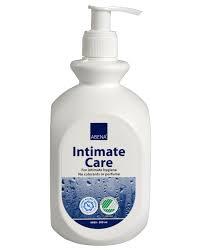
Intimate Washes: pH-balanced cleansers designed specifically for sensitive areas.
-
Wipes: Convenient for on-the-go freshness, especially during travel.
-
Moisturizers and Serums: Hydrating formulas for dryness and irritation.
-
Menstrual Products: Pads, tampons, menstrual cups, and reusable period underwear.
-
Deodorants and Sprays: Designed to neutralize odor, though they must be chosen carefully to avoid irritation.
-
Probiotics and Supplements: Increasingly popular for supporting healthy bacteria balance and reducing infection risks.
Do’s and Don’ts of Intimate Care
Do’s
-
Use lukewarm water and mild cleansers.
-
Change undergarments daily.
-
Stay hydrated to support natural detox processes.
-
Choose breathable fabrics to reduce moisture buildup.
-
Visit a healthcare professional for regular checkups.
Don’ts
-
Avoid harsh soaps, perfumes, or strong deodorants.
-
Don’t overwash—excessive cleaning can disrupt natural balance.
-
Avoid tight clothing for long periods, as it traps moisture.
-
Don’t ignore symptoms like unusual odor, itching, or discharge—these may signal infection.
Intimate Care for Men vs. Women
For Women
-
Menstrual hygiene is a core component.
-
Vaginal health requires maintaining natural pH balance.
-
Women may also use specialized products during pregnancy or postpartum stages.
For Men
-
Regular cleaning and grooming prevent fungal infections.
-
Men may require care after physical activities or sports to avoid sweat-related irritation.
-
Supportive underwear and breathable fabrics are essential for comfort and hygiene.
Rising Awareness and Market Growth
The global intimate cares market is rapidly expanding as awareness increases. More brands are introducing feminine washes, probiotic supplements, and natural intimate wipes. Men’s intimate care is also gaining attention, with grooming products, cleansers, and comfort wear becoming mainstream.
Social media influencers and health campaigns have further normalized conversations around intimate wellness, encouraging people to see it as a standard part of personal care.
Tips for Safe Intimate Care
-
Always check product ingredients and choose hypoallergenic formulas.
-
Practice good hygiene habits daily rather than relying on products alone.
-
Use fragrance-free and dermatologically tested items.
-
Consult a doctor before starting supplements or new products.
-
Remember that the body naturally maintains balance—avoid overcomplicating care routines.
Conclusion
Intimate care is an essential part of modern self-care, contributing to comfort, confidence, and long-term health. By practicing gentle cleansing, choosing the right products, and adopting healthy lifestyle habits, both men and women can ensure their intimate wellness is protected. As awareness grows, intimate care is moving out of the shadows and becoming a normalized part of holistic wellness.
Ultimately, caring for intimate health is not just about hygiene—it’s about respecting your body, enhancing your confidence, and living a healthier lifestyle.
For more article clcik here.

 English
 Arabic
 French
 Spanish
 Portuguese
 Deutsch
 Turkish
 Dutch
 Russian
 Romaian
 Portuguese (Brazil)
 Greek