

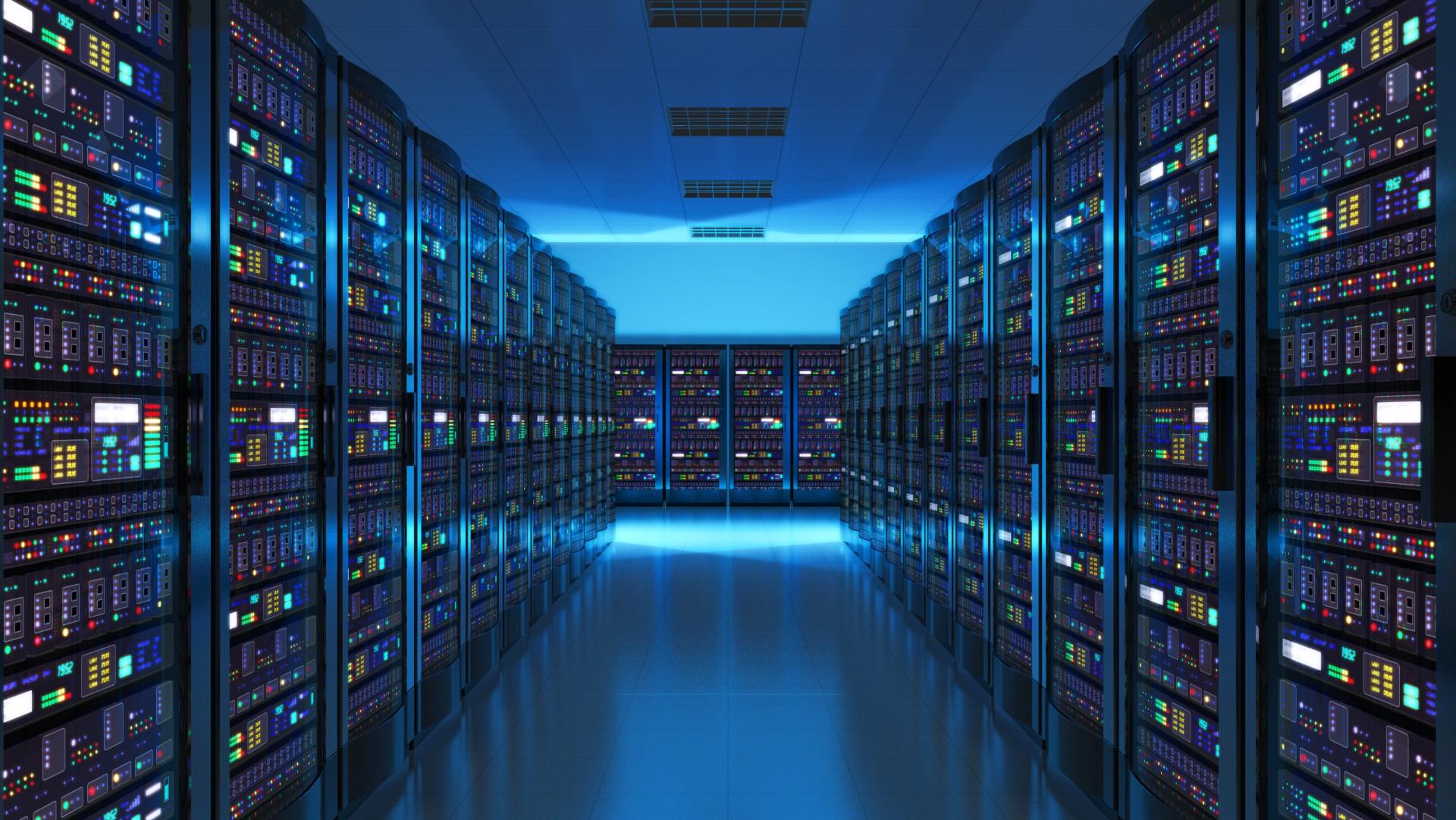
To fully grasp the dynamics of the digital infrastructure industry, a clear understanding of the Data Center Rack Market Segmentation is imperative, as it breaks down this vast market into distinct and analyzable categories. One of the most common methods of segmentation is by rack type and size. The primary types are server racks, which are typically enclosed cabinets designed for high-density server deployments, and network racks, which are often open-frame designs used to house networking equipment like switches and patch panels that require easier access for frequent cabling changes. In terms of size, the market is segmented by height, measured in rack units (U), with 42U being the long-standing industry standard, but with 48U and taller racks gaining popularity to maximize vertical space. Segmentation also includes width and depth, where the standard 19-inch mounting width is dominant, but wider 21-inch or 23-inch racks are used in some sectors, and deeper cabinets have become common to accommodate larger servers and more extensive cable management.
Another critical method of segmentation is by design and construction, which directly relates to the application and environment. The most basic distinction is between open-frame racks and enclosed cabinets. Open-frame racks offer unrestricted airflow and easy access to equipment, making them ideal for network closets and environments with good physical security. Enclosed cabinets, which feature doors and side panels, provide enhanced physical security and are essential for controlling airflow in hot-aisle/cold-aisle data center layouts. This category can be further segmented into standard off-the-shelf cabinets, configurable racks where customers can select from a range of options, and fully customized racks designed to the specific requirements of a large-scale customer. This segmentation helps to differentiate between high-volume, standardized products and high-value, engineered solutions, which often have different sales cycles and margin profiles.
Finally, segmenting the market by end-user provides crucial insights into purchasing behaviors and technical requirements. The primary end-user segments include hyperscale or cloud data centers, colocation providers, enterprise data centers, and edge computing sites. Hyperscalers represent the largest segment by volume, often purchasing thousands of customized racks at a time directly from manufacturers or ODMs. Colocation providers require highly versatile and secure racks that can accommodate a diverse range of tenant equipment. The enterprise segment consists of businesses of all sizes that operate their own on-premise data centers and often purchase through channel partners. The emerging edge computing segment has a unique set of needs, requiring smaller, ruggedized, and often integrated solutions for deployment in non-traditional environments. Understanding the distinct needs, procurement processes, and growth rates of each of these end-user segments is vital for any company seeking to develop a successful strategy in the diverse and dynamic data center rack market.

 English
 Arabic
 French
 Spanish
 Portuguese
 Deutsch
 Turkish
 Dutch
 Russian
 Romaian
 Portuguese (Brazil)
 Greek