

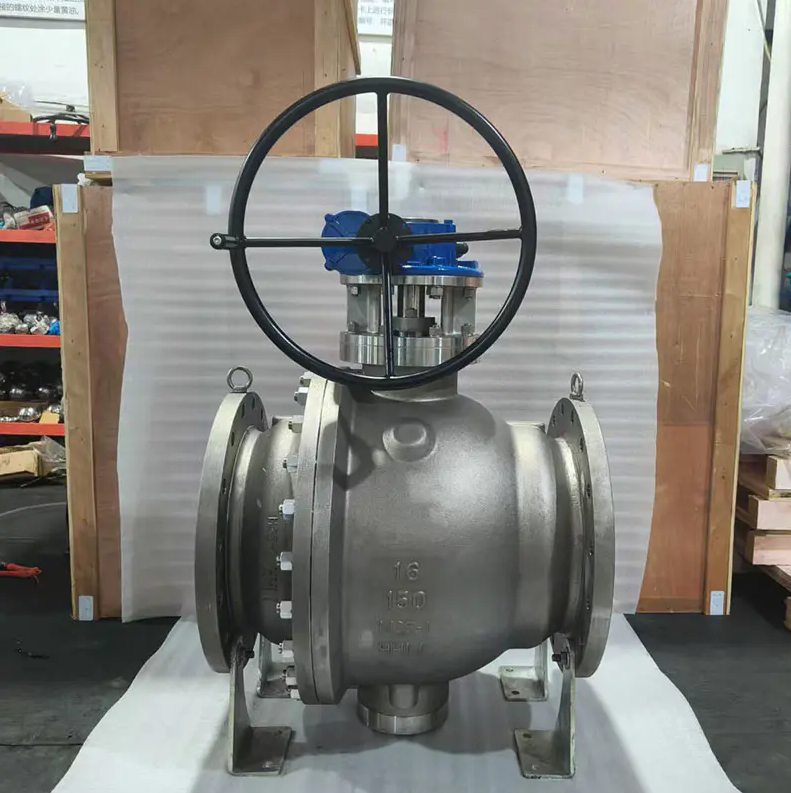
Floating ball valves are widely used in industrial pipelines for controlling the flow of liquids and gases. These valves are known for their simple design, reliable sealing, and ease of operation. The quality and consistency of these valves are largely determined by the expertise of a floating ball valve manufacturer.
A floating ball valve manufacturer typically produces valves with a spherical ball that rotates within the valve body. The ball is held in place by two seats, which float slightly to maintain a tight seal when the valve is closed. This design ensures reliable shut-off performance, even under moderate pressure and temperature fluctuations. By precisely machining the ball and seats, a floating ball valve manufacturer ensures smooth operation and minimal leakage.
Material selection is a key factor in the performance and durability of floating ball valves. Valve bodies are often made from stainless steel, carbon steel, or brass, while balls and seats may use stainless steel, PTFE, or other corrosion-resistant materials. A floating ball valve manufacturer carefully chooses materials to withstand chemical exposure, high temperatures, and pressure variations, ensuring long-term performance in various industrial environments.
Quality control is a major focus for a floating ball valve manufacturer. Each valve undergoes rigorous inspection for dimensional accuracy, surface finish, and operational functionality. Testing may include pressure tests, leakage tests, and torque measurements to confirm that valves meet design specifications. By maintaining strict quality standards, a floating ball valve manufacturer provides reliable products that meet customer expectations and regulatory requirements.
Durability is another important aspect. Floating ball valves produced by reputable manufacturers are designed to withstand repeated opening and closing cycles without wear or deformation. The precision of the ball and seat interface, along with protective coatings and corrosion-resistant materials, ensures consistent performance over time. This durability is crucial for industrial applications where valve failure can lead to operational disruptions.
Design flexibility is often offered by floating ball valve manufacturers. Clients can request different end connections, pressure ratings, and sizes to match specific piping systems. Some manufacturers also provide customized solutions for unique applications, including high-temperature processes, chemical handling, or low-torque operation. This versatility makes floating ball valves suitable for a wide range of industries.
Ease of maintenance is another consideration. Floating ball valves are generally simple to disassemble and service, which reduces downtime during maintenance procedures. A floating ball valve manufacturer may provide guidelines or support for proper installation, operation, and maintenance to ensure that valves function reliably throughout their service life.
Environmental and safety considerations are increasingly important. Many floating ball valve manufacturers adopt environmentally responsible production practices and ensure that valves comply with safety and environmental regulations. Materials and coatings are chosen to minimize corrosion and prevent leaks, protecting both personnel and the surrounding environment.
A floating ball valve manufacturer plays a critical role in supplying reliable, durable, and versatile valves for industrial applications. By focusing on material selection, precise machining, quality control, and design flexibility, manufacturers ensure that floating ball valves perform effectively and safely. Choosing a product from a reputable floating ball valve manufacturer provides confidence in operational efficiency, safety, and long-term reliability.

 English
 Arabic
 French
 Spanish
 Portuguese
 Deutsch
 Turkish
 Dutch
 Russian
 Romaian
 Portuguese (Brazil)
 Greek