

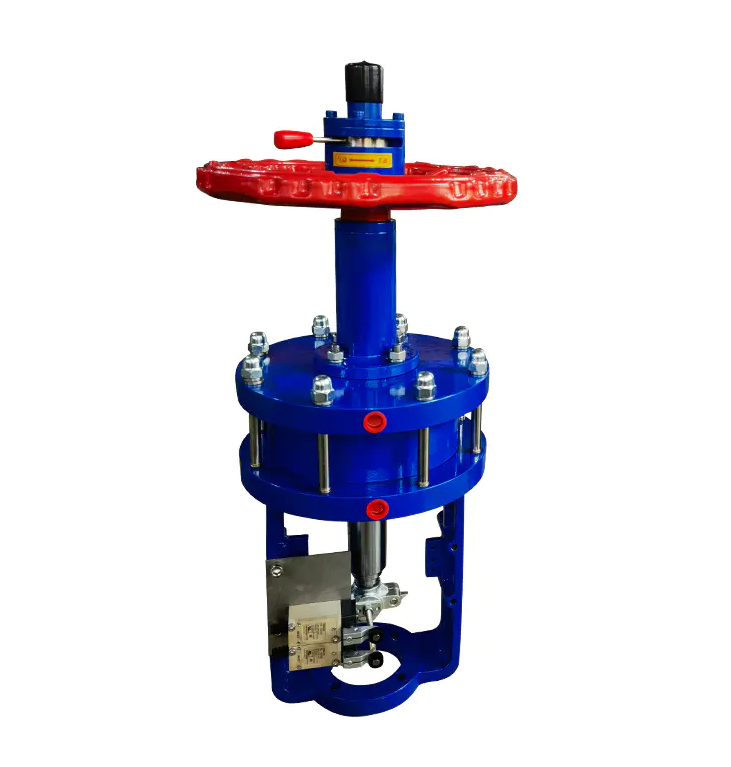
Pneumatic ball valves are widely used in industrial automation and fluid control systems for their ability to regulate the flow of gases or liquids efficiently. Unlike manual ball valves, pneumatic ball valves use compressed air to actuate the valve, enabling remote operation and faster response times. The quality and reliability of these valves are closely tied to the expertise of a pneumatic ball valve manufacturer.
A pneumatic ball valve manufacturer typically designs valves with a spherical ball housed within a valve body. The ball rotates when actuated by a pneumatic actuator, allowing or restricting fluid flow. The seats that hold the ball in place are often made from PTFE, reinforced polymers, or metal, providing a tight seal even under varying pressures. By focusing on precise machining and assembly, a pneumatic ball valve manufacturer ensures smooth operation and leak-free performance.
Material selection plays a critical role in the functionality and longevity of pneumatic ball valves. Valve bodies may be constructed from stainless steel, carbon steel, or brass, while internal components such as balls and seats use corrosion-resistant and wear-resistant materials. A reputable pneumatic ball valve manufacturer selects materials suitable for the intended application, whether it involves high pressures, corrosive fluids, or high-cycle automation processes.
Quality control is a central focus in a pneumatic ball valve factory. Each valve undergoes rigorous testing, including pressure testing, leakage checks, and operational verification under pneumatic actuation. By maintaining strict quality standards, a pneumatic ball valve manufacturer ensures that valves perform reliably over their service life, reducing downtime and maintenance costs for industrial operations.
Durability and maintenance are key considerations. Pneumatic ball valves are subjected to frequent cycling in automated systems, so components must resist wear and deformation. Manufacturers often incorporate reinforced seals, precision-machined components, and protective coatings to extend service life. Additionally, many pneumatic ball valve manufacturers design valves for easy disassembly, allowing routine maintenance and inspection without extensive downtime.
Design flexibility is another advantage offered by pneumatic ball valve manufacturers. Clients can select different valve sizes, pressure ratings, actuator types, and connection styles to meet specific system requirements. Customization options may include double-acting or spring-return actuators, ISO-mounted configurations, and specialized materials for aggressive chemicals or extreme temperatures. This versatility allows pneumatic ball valves to be applied across a range of industries, including chemical processing, water treatment, and food production.
Safety and environmental considerations are also critical. Pneumatic ball valve manufacturers often implement features such as fail-safe actuation, overpressure resistance, and corrosion-resistant materials to ensure safe operation. Compliance with international standards ensures that valves meet regulatory requirements while minimizing environmental impact through reduced leaks and efficient fluid handling.
A pneumatic ball valve manufacturer plays an essential role in providing reliable, durable, and versatile valves for automated fluid control systems. By focusing on material selection, precision engineering, quality control, and customization, manufacturers ensure that pneumatic ball valves meet the operational needs of various industrial applications. Selecting valves from a reputable pneumatic ball valve manufacturer ensures consistent performance, safety, and long-term reliability in automated systems.
https://www.wisleypneumatic.com/product/pneumatic-ball-valve/

 English
 Arabic
 French
 Spanish
 Portuguese
 Deutsch
 Turkish
 Dutch
 Russian
 Romaian
 Portuguese (Brazil)
 Greek