

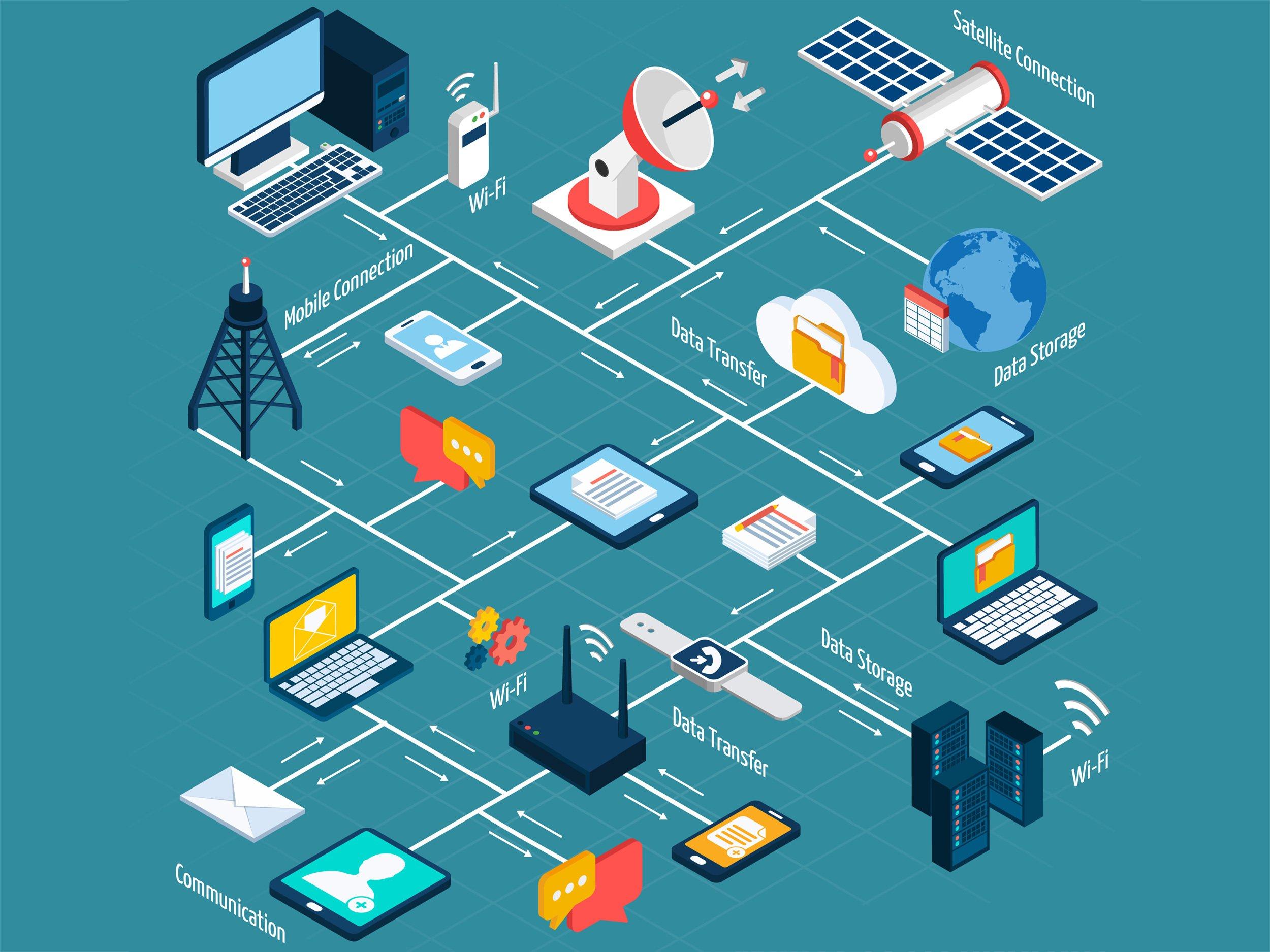
The global Wireless Data Communication Competitive Landscape is a complex, capital-intensive, and multi-layered arena where a few large, vertically integrated players and a host of specialized firms compete for dominance. The landscape for the core cellular technology is defined by an intense rivalry between the major semiconductor companies that design the chipsets and the major network equipment vendors that build the infrastructure. In the chipset space, companies like Qualcomm have historically held a dominant position due to their extensive patent portfolio and early leadership in 3G and 4G. They now face fierce competition from rivals like MediaTek and Samsung, who are aggressively competing on price and performance in the 5G era. This battle for the "silicon heart" of every connected device is a defining feature of the competitive landscape.
At the infrastructure level, the competitive landscape is an oligopoly of global telecommunications equipment giants, including Ericsson, Nokia, and Samsung. These companies engage in a high-stakes competition to win massive, multi-year contracts from the world's mobile network operators to supply the radio access network (RAN) and core network equipment for their national 5G build-outs. The competitive dynamics in this segment have been significantly impacted by geopolitical factors, which have restricted the market access of some vendors and created opportunities for others. The emergence of the Open RAN movement is a major disruptive force, with a new ecosystem of software and hardware vendors competing to offer more flexible, disaggregated solutions that challenge the end-to-end, proprietary models of the incumbent giants.
The competitive landscape is further diversified by the vibrant and distinct ecosystems that exist for other wireless technologies, most notably Wi-Fi. In the enterprise Wi-Fi market, established networking leaders like Cisco and HPE (Aruba) compete by offering comprehensive solutions that include access points, controllers, and sophisticated cloud-based management and security platforms. In the low-power IoT space, the landscape is more fragmented, with a competition between different technology standards (like LoRaWAN, Sigfox, and NB-IoT) and the various alliances and companies that support them. The Wireless Data Communication Market size is projected to grow USD 7.29 Billion by 2035, exhibiting a CAGR of 14.59% during the forecast period 2025-2035. This multi-faceted and dynamic landscape ensures that innovation and competition remain high across all segments of the market.
Top Trending Reports -

 English
 Arabic
 French
 Spanish
 Portuguese
 Deutsch
 Turkish
 Dutch
 Russian
 Romaian
 Portuguese (Brazil)
 Greek