

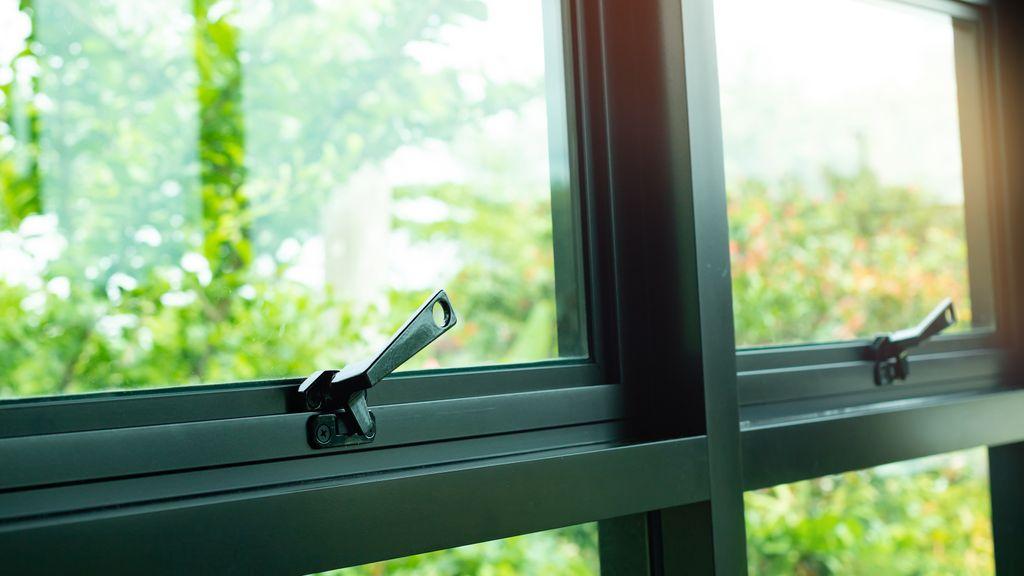
Windows are often overlooked in terms of their complexity, but the mechanisms that control them are crucial for safety, security, and convenience. Whether in a residential home, commercial building, or industrial setting, window handles play a central role in how we operate windows.
These mechanisms include various types of locks, latches, and handles that are designed to meet specific functional requirements. Understanding these systems can help homeowners, architects, and maintenance personnel make informed decisions about window security, usability, and durability.
The Basics of Window Handles
A window handle is not merely a decorative feature. It is the interface between the user and the window’s operating mechanism. Window handles come in various shapes and sizes, such as lever handles, crank handles, or knob handles. Their design is influenced by the type of window they control—casement, sliding, tilt-and-turn, or awning windows all require different handle designs for optimal functionality.
The handle is typically connected to a locking or latching mechanism that secures the window in place. When operated, the handle engages or disengages the lock or latch, allowing the window to open, close, or tilt. Modern handles often combine ergonomic design with robust mechanical engineering to ensure that they can withstand repeated use without failing.
Types of Window Locks
Window locks are a critical element of any window system. They provide security against unauthorized access and help improve energy efficiency by sealing the window tightly. There are several common types of window locks, each suited to different applications:
1. Cam Locks
Cam locks are widely used in sliding and casement windows. They consist of a rotating cam that, when turned by the handle, presses against the window frame to lock it in place. Cam locks are appreciated for their simplicity and reliability. They are easy to operate and provide a moderate level of security.
2. Espagnolette Locks
Espagnolette locks are commonly found in European-style casement and tilt-and-turn windows. These locks feature a rod mechanism that runs vertically along the window frame. Turning the handle moves the rod up or down, engaging multiple locking points simultaneously. This design enhances security and ensures a tight seal against drafts.
3. Sliding Window Locks
Sliding windows often employ sash locks or hook locks. A sash lock typically involves a latch that hooks onto the adjacent sash, preventing the window from being slid open. Hook locks are similar but usually involve a hook-shaped bolt that engages with a catch on the frame. Both types provide a straightforward locking solution that is easy to operate.
4. Keyed Locks
For enhanced security, many door handles are equipped with keyed locks. These locks function similarly to door locks, requiring a key to engage or disengage the mechanism. Keyed window locks are particularly useful for ground-floor windows or windows in high-risk areas.
Understanding Latches
While locks focus primarily on security, latches are designed to secure the window in a particular position. Latches allow users to open a window partially for ventilation while preventing it from opening fully. Some common types of latches include:
1. Friction Latches
Friction latches are used in sliding and awning windows. They rely on friction to hold the window in place. By adjusting the tension, users can control how easily the window moves. Friction latches are convenient for ventilation purposes but may wear over time, requiring periodic maintenance.
2. Espagnolette Latches
Some espagnolette locks also function as latches, allowing a window to be secured in an intermediate position. This dual function is especially useful for tilt-and-turn windows, where partial opening is necessary for controlled airflow.
3. Thumb Latches
Thumb latches are simple, manually operated mechanisms that are common in older-style windows. They usually involve a small lever or button that engages a catch, holding the window closed. While aesthetically pleasing, thumb latches may not provide the same level of security as modern locking mechanisms.
Materials and Durability
Handle mechanisms must be durable enough to withstand frequent use and environmental stress. Common materials include:
Zinc Alloy: Affordable and corrosion-resistant, zinc alloy is often used in residential windows.
Aluminum: Lightweight and durable, aluminum handles are suitable for both residential and commercial applications.
Stainless Steel: Resistant to corrosion and wear, stainless steel handles are ideal for coastal environments or high-traffic areas.
Brass: Brass handles offer a classic aesthetic and good durability, often used in heritage or luxury settings.
The choice of material affects not only the lifespan of the handle but also its aesthetic appeal and cost. Proper maintenance, such as lubrication of moving parts and cleaning, can significantly extend the functional life of handles.
Modern Innovations
Recent advances in handle technology have introduced features that enhance convenience and security:
Child-Safe Handles: Some modern handles include mechanisms that prevent children from opening windows fully, reducing the risk of accidents.
Smart Locks: Integration with smart home systems allows handles to lock or unlock remotely, providing enhanced security and monitoring.
Multi-Point Locking Systems: These systems engage multiple points along the window frame simultaneously, providing superior security and energy efficiency.
Installation and Maintenance
Correct installation of window handles, locks, and latches is critical to their performance. Handles must be aligned properly with the locking mechanism to ensure smooth operation. Misalignment can lead to difficulty in opening or closing the window and may compromise security.
Regular maintenance is also essential. Lubricating moving parts, tightening screws, and checking for wear or corrosion can prevent handle failure. For high-use windows, such as those in commercial buildings, periodic inspections are recommended to ensure long-term reliability.
Conclusion
Window handle mechanisms may seem like minor components, but they play a significant role in the functionality, safety, and security of a building. Understanding the differences between locks, latches, and handles, as well as the materials and designs used, empowers homeowners and professionals to make informed choices. From basic cam locks to sophisticated multi-point locking systems, these mechanisms demonstrate the blend of engineering, design, and user convenience that defines modern windows.
By investing in quality handles and maintaining them properly, you can ensure that your windows remain secure, easy to operate, and aesthetically pleasing for years to come. Whether you are upgrading an old window or specifying new installations, knowledge of these mechanisms is essential for achieving the right balance between security, convenience, and style.

 English
 Arabic
 French
 Spanish
 Portuguese
 Deutsch
 Turkish
 Dutch
 Russian
 Romaian
 Portuguese (Brazil)
 Greek