

Payroll management is one of the most critical aspects of running a business. Whether it’s processing salaries, calculating deductions, or ensuring compliance with statutory laws, accuracy is key. Traditionally, companies relied on spreadsheets and manual methods to handle payroll. But with rapid digital transformation, payroll software in India has emerged as a smarter and more reliable option. Today, businesses of all sizes—from startups to large enterprises—are evaluating whether payroll software or manual payroll is the better choice.
In this blog, we’ll compare both approaches in detail, highlighting their pros and cons, and explain why payroll software is steadily replacing manual payroll methods in India.
What is Manual Payroll?
Manual payroll is the traditional way of processing employee salaries. It involves using spreadsheets, calculators, or even pen and paper to calculate wages, taxes, overtime, and deductions. Many small businesses in India still use manual payroll because it doesn’t require upfront investment in technology.
Advantages of Manual Payroll
-
Low Initial Cost: No need to buy software or subscriptions.
-
Complete Control: Business owners or HR managers have direct oversight of payroll.
-
Simplicity for Very Small Teams: With fewer than 5 employees, manual payroll can sometimes be manageable.
Disadvantages of Manual Payroll
-
Prone to Errors: Manual calculations often result in mistakes, leading to underpayment or overpayment.
-
Time-Consuming: Processing payroll manually can take hours or even days.
-
Compliance Challenges: Keeping up with PF, ESI, TDS, and tax changes manually is stressful.
-
Lack of Transparency: Employees cannot easily access payslips, leave records, or tax information.
-
Scalability Issues: As the workforce grows, manual payroll becomes unmanageable.
What is Payroll Software?
Payroll software automates salary processing and compliance management. It calculates wages, manages deductions, generates payslips, and ensures timely disbursement. Many modern payroll solutions also integrate with HR systems for attendance, leave tracking, and employee self-service.
Advantages of Payroll Software in India
-
Accuracy and Reliability: Automates salary calculations, minimizing human errors.
-
Compliance Automation: Automatically updates statutory deductions like PF, ESI, and TDS.
-
Time Savings: Processes payroll in minutes, not hours.
-
Employee Self-Service: Employees can download payslips, check leave balances, and access tax documents independently.
-
Scalability: Suitable for startups with 10 employees or enterprises with thousands.
-
Data Security: Protects sensitive payroll data with encryption and role-based access.
Disadvantages of Payroll Software
-
Subscription Costs: Requires investment in software or cloud-based plans.
-
Learning Curve: HR teams may need some training to use the software effectively.
-
Dependence on Technology: Internet outages or technical glitches can temporarily disrupt processes.
Payroll Software vs Manual Payroll: A Detailed Comparison
Let’s evaluate the two systems based on key factors:
1. Accuracy
-
Manual Payroll: Highly prone to errors due to human calculation.
-
Payroll Software: Automated and accurate, reducing chances of mistakes.
Winner: Payroll Software
2. Time Efficiency
-
Manual Payroll: Time-intensive, especially for large teams.
-
Payroll Software: Quick processing saves hours of effort.
Winner: Payroll Software
3. Compliance Management
-
Manual Payroll: Requires HR to track and apply frequent regulatory changes manually.
-
Payroll Software: Auto-updates compliance requirements and generates reports.
Winner: Payroll Software
4. Cost
-
Manual Payroll: Cheaper upfront since no software investment is required.
-
Payroll Software: Involves recurring subscription or one-time license fees.
Winner: Manual Payroll (for very small businesses only)
5. Employee Experience
-
Manual Payroll: No self-service; employees depend on HR for payslips and records.
-
Payroll Software: Offers self-service portals and transparency.
Winner: Payroll Software
6. Scalability
-
Manual Payroll: Becomes unmanageable as staff numbers grow.
-
Payroll Software: Scales easily with business growth.
Winner: Payroll Software
7. Data Security
-
Manual Payroll: Paper or spreadsheets are vulnerable to loss or breaches.
-
Payroll Software: Uses encryption, backups, and role-based permissions.
Winner: Payroll Software
Why Indian Businesses are Switching to Payroll Software
Indian startups and SMEs are growing rapidly, and they need tools that can match their pace. Here are the reasons why more businesses are adopting payroll software in India:
-
Regulatory Environment: Frequent updates in Indian labor laws make compliance difficult manually.
-
Remote and Hybrid Teams: Payroll software supports cloud-based access for distributed teams.
-
Employee Expectations: Workers expect digital access to payslips and tax forms.
-
Growth-Friendly: As companies scale, payroll software ensures consistency and efficiency.
Real-World Example
A small e-commerce startup in Bangalore with 15 employees initially managed payroll manually using spreadsheets. As the business grew to 50 employees, errors increased, compliance became difficult, and employees frequently complained about delayed payslips.
After adopting payroll software, the startup:
-
Reduced payroll processing time by 80%.
-
Eliminated compliance errors.
-
Provided employees with a self-service portal.
The switch saved the company money, improved employee satisfaction, and allowed HR staff to focus on recruitment and engagement.
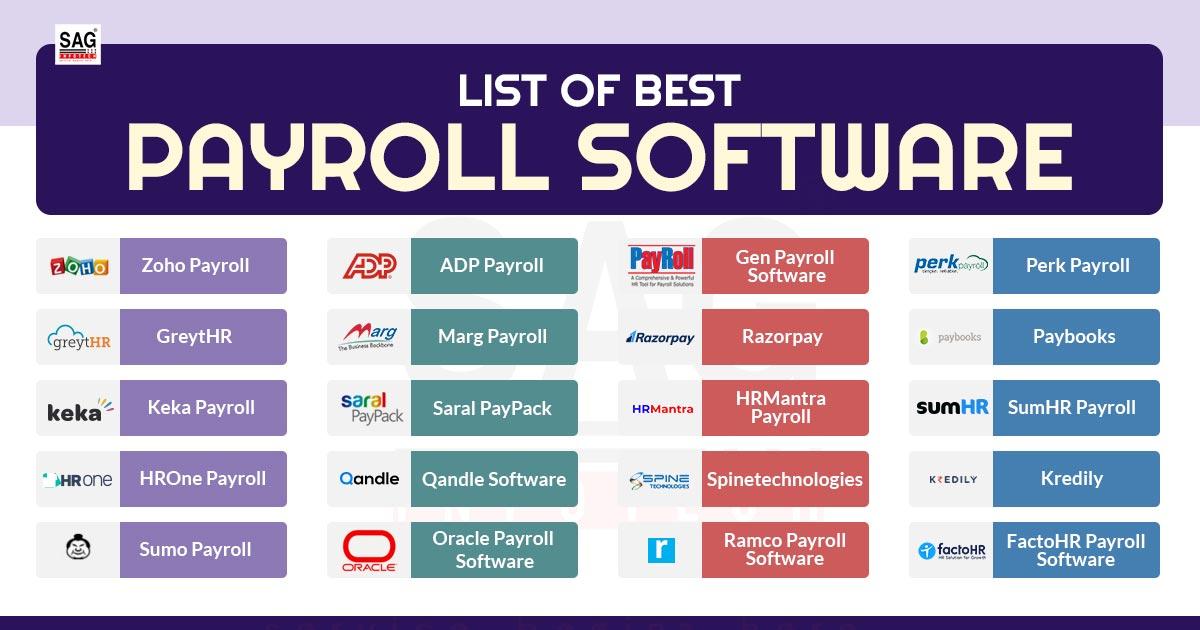
Popular Payroll Software in India
Some of the leading payroll software options businesses can consider are:
-
greytHR – Known for payroll and compliance automation.
-
Keka HR – Great for startups and mid-sized businesses.
-
Zoho Payroll – Affordable and easy to use for SMEs.
-
Darwinbox – AI-driven payroll and HR solution for larger companies.
-
factoHR – Scalable and mobile-friendly payroll solution.
Future of Payroll in India
By 2025, payroll management will become more intelligent and data-driven. Expected trends include:
-
AI-driven analytics for payroll forecasting.
-
Blockchain-based payroll security for tamper-proof data.
-
Mobile-first platforms for real-time payroll access.
-
Integration with employee wellness programs to improve satisfaction.
These advancements will further widen the gap between manual payroll and automated payroll solutions.
Conclusion
While manual payroll may seem affordable for very small businesses, it is neither efficient nor sustainable in the long run. It is prone to errors, compliance issues, and time delays. On the other hand, payroll software in India offers accuracy, compliance automation, scalability, and improved employee satisfaction.
For startups and SMEs aiming for growth, payroll software is the clear winner. By automating payroll processes, businesses can save time, reduce costs, and focus on scaling their operations.
In the debate of Payroll Software vs Manual Payroll, the future is undeniably digital. Payroll software is not just better—it’s essential.

 English
 Arabic
 French
 Spanish
 Portuguese
 Deutsch
 Turkish
 Dutch
 Russian
 Romaian
 Portuguese (Brazil)
 Greek