

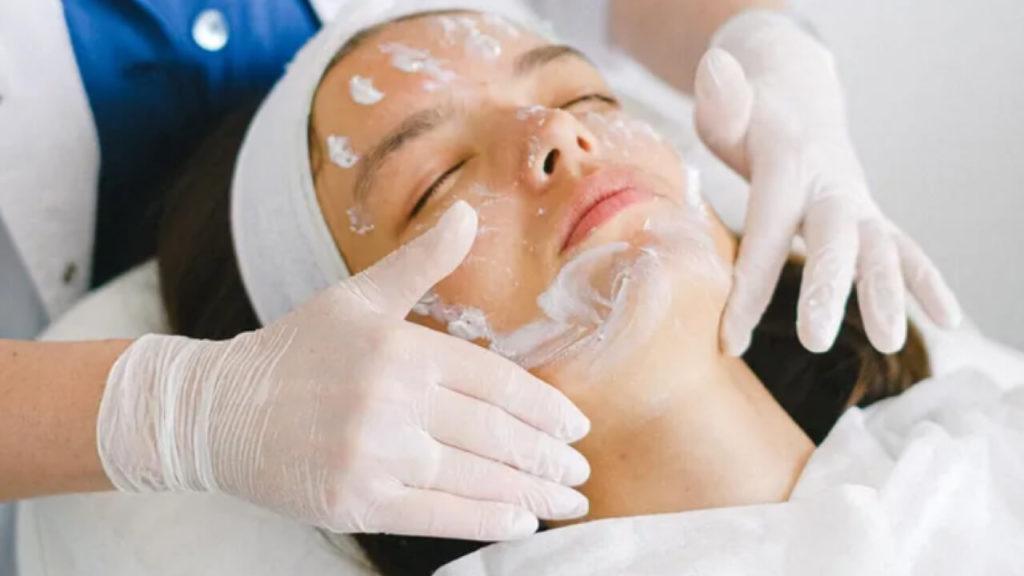
In cosmetic dermatology, trends often emerge that blur the line between medical innovation and celebrity-inspired hype. One such trend that has captured attention worldwide is the “vampire facial.”
Popularized by celebrities and social media influencers, this facial treatment promises rejuvenated, youthful skin using a patient’s own blood. While the procedure may sound like something out of a horror film, it is rooted in legitimate dermatological science. However, like any cosmetic treatment, it carries both potential benefits and risks that consumers should carefully consider.
What is a Vampire Facial?
The term “vampire facial” refers to a procedure scientifically known as Platelet-Rich Plasma (PRP) therapy combined with microneedling. PRP therapy involves drawing a small amount of the patient’s blood, processing it to concentrate the platelets, and then reapplying it to the skin. Platelets are rich in growth factors, which are proteins that play a key role in tissue repair, cell regeneration, and collagen production.
Microneedling, the other component of the treatment, uses fine needles to create tiny punctures in the skin. This controlled micro-injury stimulates the body’s natural healing response, promoting collagen and elastin production. When PRP is applied to the skin during or after microneedling, it is thought to enhance healing, improve skin texture, and give the skin a radiant, youthful appearance.
The Benefits of Vampire Facials
Advocates of vampire facials claim a range of cosmetic benefits, many of which are supported by preliminary scientific evidence:
Skin Rejuvenation
PRP therapy encourages collagen production, which is essential for maintaining firm and supple skin. Increased collagen can reduce the appearance of fine lines and wrinkles, giving the skin a smoother, more youthful texture.
Improved Skin Tone and Texture
The combination of microneedling and PRP can address minor skin imperfections, including acne scars, sun damage, and enlarged pores. Patients often report a noticeable improvement in skin clarity and softness after several sessions.
Enhanced Healing and Recovery
Because PRP contains growth factors that accelerate tissue repair, some dermatologists use it to aid in healing after other cosmetic procedures, such as laser treatments or chemical peels.
Minimally Invasive with Natural Results
Unlike surgical facelifts or synthetic fillers, facials use the patient’s own blood, reducing the risk of allergic reactions or foreign body complications. The results are subtle and natural, avoiding the overfilled or artificial look sometimes associated with cosmetic interventions.
Potential Hair Growth Benefits
Beyond facial rejuvenation, PRP therapy has been explored as a treatment for hair loss. Some studies suggest that PRP injections into the scalp may stimulate hair follicles and promote hair regrowth, although more research is needed to confirm efficacy.
The Risks and Considerations
Despite its potential benefits, vampire are not without risks. Being a medical procedure, it requires careful technique, sterile conditions, and appropriate patient screening. Some of the risks include:
Infection
Any procedure that involves breaking the skin carries a risk of infection. In fact, in 2016, the U.S. Centers for Disease Control and Prevention (CDC) reported a cluster of bacterial infections linked to PRP facial procedures performed in unregulated settings. Contaminated equipment or improper handling of blood can introduce harmful bacteria.
Pain and Discomfort
Microneedling can be uncomfortable, and while topical anesthetics are typically used, some patients may experience redness, swelling, or mild pain following the procedure. The injection of PRP may also cause temporary discomfort.
Bruising and Swelling
Since PRP involves injections, minor bruising and swelling are common. These effects are usually temporary but can be distressing for patients expecting immediate, flawless results.
Variable Results
The effectiveness of facials can vary based on individual factors such as age, skin condition, and overall health. While some patients see dramatic improvements, others may notice only subtle changes. Multiple sessions are often needed to achieve optimal results, increasing both time and cost commitments.
Cost Considerations
Vampire facials are generally not covered by insurance, as they are considered cosmetic procedures. Prices can range from several hundred to over a thousand dollars per session, depending on the clinic and geographic location. Patients should weigh the financial investment against expected outcomes.
Not Suitable for Everyone
Individuals with certain medical conditions, such as blood disorders, autoimmune diseases, or active skin infections, may not be ideal candidates for the procedure. A thorough consultation with a licensed dermatologist or plastic surgeon is essential.
Best Practices for Safety
To minimize risks and maximize benefits, it’s crucial to seek treatment from a qualified medical professional. Here are some guidelines:
Choose a Board-Certified Dermatologist or Plastic Surgeon: Ensuring the practitioner is properly trained reduces the risk of complications.
Verify Sterility and Protocols: Clinics should follow strict sterilization and blood-handling protocols.
Discuss Medical History: Inform the provider about any health conditions, medications, or allergies.
Manage Expectations: Understand that results are gradual and may require multiple sessions.
Alternatives to Facials
For those hesitant about PRP therapy, several alternative treatments offer similar benefits:
Microneedling Alone: Stimulates collagen without using blood, suitable for mild rejuvenation.
Chemical Peels: Improve skin tone and texture by removing damaged outer layers.
Laser Therapy: Targets fine lines, wrinkles, and pigmentation issues with precision.
Dermal Fillers: Provide immediate volume restoration, though results are less “natural” compared to PRP.
The Verdict
Vampire facials occupy a unique niche at the intersection of celebrity allure and legitimate dermatological science. The procedure is not a miracle cure, but it offers real benefits for those seeking skin rejuvenation, improved texture, and subtle anti-aging effects. However, it is essential to approach the treatment with caution, awareness of potential risks, and realistic expectations.
While the allure of a youthful, glowing complexion may be tempting, safety should always come first. By choosing a qualified provider, understanding the procedure, and maintaining a healthy skincare regimen, patients can make informed decisions and potentially reap the rewards of this modern cosmetic innovation.

 Arabic
 French
 Spanish
 Portuguese
 Deutsch
 Turkish
 Dutch
 Italiano
 Russian
 Romaian
 Portuguese (Brazil)
 Greek