

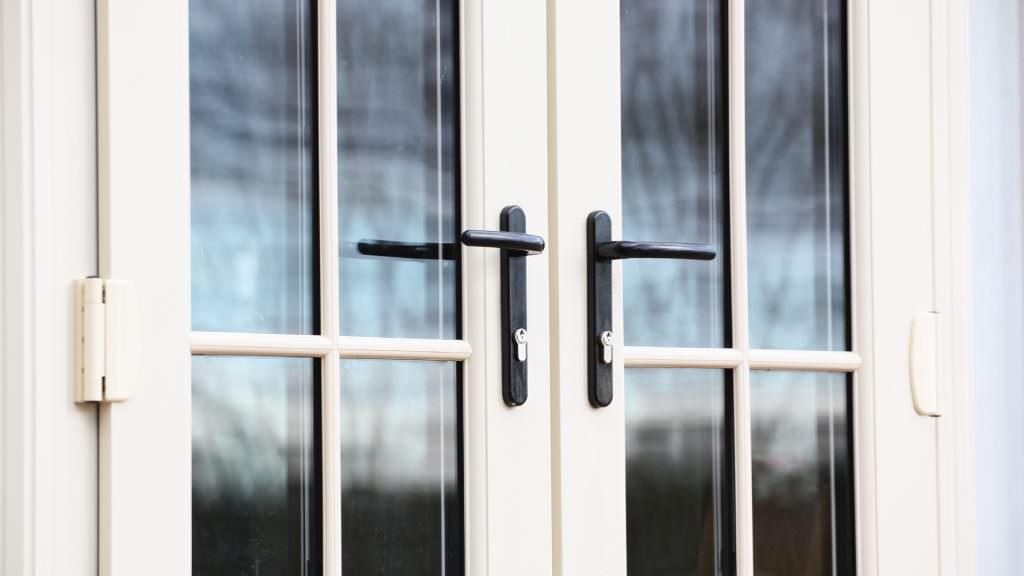
The handle is one of the most important — yet often overlooked- components. A door handle does far more than provide a grip; it plays a crucial role in the overall security, functionality, and appearance of your door.
With a wide range of styles, materials, and finishes available, understanding the different types of uPVC door handles can help you choose the perfect option for your home.
In this comprehensive guide, we’ll explain everything you need to know about uPVC door handles — from the different types and materials to the available finishes and maintenance tips.
What is a uPVC Door Handle?
uPVC (unplasticized polyvinyl chloride) doors are popular for their durability, energy efficiency, and low maintenance. The door handle is the hardware fitted to operate the latch and locking mechanism. Unlike handles on timber or aluminium doors, uPVC door handles are typically part of a multipoint locking system, which secures the door at several points when locked.
Because of this, handles need to be compatible with the specific lock mechanism and backplate dimensions. Choosing the right handle ensures both smooth operation and optimal security.
Types of uPVC Door Handles
uPVC door handles come in several types, each designed for a particular use and locking configuration. Here are the main categories you’ll encounter:
1. Lever/Lever Handles
This is the most common style used on uPVC front and back doors. The lever/lever handle features a lever on both the inside and outside of the door. When the lever is lifted, it engages the multipoint lock, and turning the key secures it in place.
This type is ideal for main entry doors where full locking functionality is required from both sides.
Key features:
· Symmetrical levers on both sides
· Works with multipoint locks
· Suitable for front and back doors
2. Lever/Pad Handles
A lever/pad handle has a lever on the inside and a fixed pad (or curved) handle on the outside. The pad handle prevents the outside lever from operating the latch unless a key is used. This provides an additional layer of security by ensuring that the door cannot be opened from outside without a key.
Key features:
· Inside lever operates normally
· Outside pad requires a key
· Ideal for added exterior security
3. Inline vs. Offset Handles
uPVC handles can also be inline or offset, referring to the alignment between the internal and external levers.
Inline handles have levers that are perfectly aligned on both sides.
Offset handles have one lever higher or lower than the other, typically seen in lever/pad configurations.
When replacing a handle, it’s essential to measure this correctly to ensure proper fit and operation.
4. Espagnolette (Espag) Handles
These handles are designed for uPVC windows and some patio doors. An espag handle operates a multi-point locking system using a spindle connected to the internal locking mechanism. They’re smaller and more compact than standard door handles.
5. Patio and Sliding Door Handles
For sliding uPVC doors, you’ll often find pull handles or D-handles, which don’t operate a latch but provide a firm grip to slide the door open and closed. Some designs incorporate a thumb turn or key cylinder for locking.
Key Measurements to Consider
Before purchasing a new uPVC door, accurate measurements are essential to ensure compatibility. Here are the main dimensions you’ll need:
PZ (centre measurement): The distance between the centre of the handle spindle and the centre of the keyhole. Common PZ sizes are 92mm, 68mm, or 72mm.
Fixing centres: The distance between the two screw holes on the backplate.
Backplate length and width: Ensure it covers any previous screw holes or marks.
Spindle length and diameter: The square bar that connects both handles through the door.
Taking these measurements helps you avoid misalignment and ensures the lock mechanism works smoothly.
Materials Used in uPVC Handles
The material of a door handle affects its durability, weight, feel, and corrosion resistance. uPVC handles are available in several materials, each with distinct advantages.
1. Zinc Alloy
Zinc alloy handles are the most common choice for uPVC doors. They offer a great balance between cost, strength, and appearance. Zinc can be easily plated or coated in different finishes, giving homeowners plenty of design options.
Pros:
· Affordable
· Corrosion-resistant
· Available in many finishes
2. Aluminium
Aluminium handles are lightweight and resistant to rust, making them ideal for exterior use. They are often anodized for extra durability and come in modern, sleek designs.
Pros:
· Lightweight and strong
· Rustproof
· Ideal for coastal or humid environments
3. Stainless Steel
For premium performance and longevity, stainless steel is an excellent choice. It’s highly resistant to corrosion and provides a modern, high-end look. Stainless steel handles are common in commercial buildings but are increasingly used in residential applications, too.
Pros:
· Superior durability
· Corrosion and tarnish resistant
· Minimal maintenance required
4. Plastic or uPVC
Some lower-cost handles are made from reinforced plastic or uPVC itself. While these can match the door’s colour perfectly, they’re less durable and more prone to wear over time.
Pros:
· Matches uPVC door colour
· Affordable
· Lightweight
· Cons:
· Less durable
May fade or crack over time
Popular Finishes for uPVC Doors
Beyond function, the finish of your handle plays a big role in your door’s appearance. Whether you prefer a modern or traditional style, the right finish can enhance your home’s aesthetic.
Here are some of the most popular finishes available:
1. White
White handles blend seamlessly with white uPVC doors, offering a clean, uniform look. This classic finish is common in modern homes and is easy to match with other hardware.
2. Chrome (Polished or Satin)
Chrome finishes are sleek and reflective, adding a touch of modern elegance. Polished chrome is shiny and eye-catching, while satin chrome has a softer, brushed appearance that hides fingerprints better.
3. Brass or Gold
For a traditional or luxurious look, brass and gold finishes add warmth and sophistication. They pair beautifully with classic or heritage-style doors.
4. Black
Black handles have become increasingly popular in contemporary home design. They offer a striking contrast on light-coloured doors and complement industrial or minimalist aesthetics.
5. Anthracite Grey
Anthracite grey is a trendy modern finish that matches the growing popularity of grey uPVC windows and doors. It offers a subtle, refined appearance that suits both new and renovated properties.
6. Stainless Steel or Brushed Nickel
These finishes deliver a professional, high-end feel. Brushed nickel, in particular, provides a smooth, muted sheen that resists smudging.
Maintenance and Care Tips
To keep your uPVC handles looking good and working properly, a little maintenance goes a long way:
Clean regularly: Wipe with a soft cloth and mild soapy water. Avoid abrasive cleaners that can damage the finish.
Lubricate the mechanism: Use a light oil or silicone spray on moving parts once or twice a year.
Inspect screws and spindles: Tighten any loose fittings to maintain smooth operation.
Avoid harsh conditions: In coastal areas, rinse metal handles periodically to prevent salt build-up.
Proper care ensures that your handles maintain their aesthetic appeal and functional performance for years.
Final Thoughts
Choosing the right uPVC door handle is more than a cosmetic decision; it impacts your door’s usability, security, and overall style. By understanding the different types, materials, and finishes, you can make an informed choice that complements your home and meets your practical needs.
Whether you prefer the simplicity of a white inline lever handle or the modern sophistication of a brushed steel finish, today’s market offers a handle to suit every taste and budget. With correct installation and routine care, a quality handle can last for decades, ensuring your doors not only look great but also perform flawlessly.

 English
 Arabic
 French
 Spanish
 Portuguese
 Deutsch
 Turkish
 Dutch
 Russian
 Romaian
 Portuguese (Brazil)
 Greek