

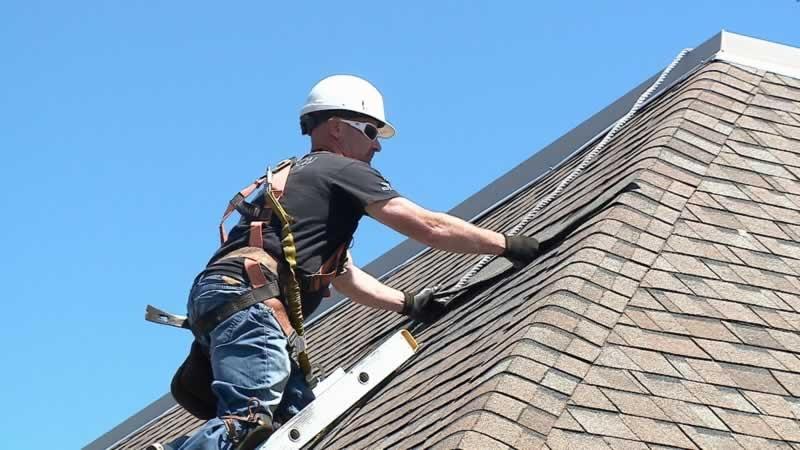
It’s 2 a.m. during a classic Colorado spring snowstorm. The heavy, wet snow is piling up, and then you hear it—the dreaded drip, drip, drip. A quick trip to the attic confirms your fear: water is finding its way in. Or perhaps a sudden summer hailstorm has left your roof with visible damage and you fear the next rain will lead to an indoor waterfall. In these moments, panic is a natural first response. Your home, your largest investment, is vulnerable.
The urgency of the situation can feel overwhelming. You need help, and you need it now. A quick online search for "emergency roofer" yields dozens of results, but how can you possibly know who to trust? The wrong choice can lead to predatory pricing, shoddy temporary work that fails when you need it most, or a frustrating experience that adds stress to an already difficult situation. This guide is designed to replace that panic with a clear, actionable plan. Knowing how to vet and hire a reputable emergency roofer will not only solve your immediate problem but will also protect your home and your wallet in the long run.
The High Stakes of an Emergency Roof Repair
Not all roofing emergencies are created equal, but they all share one thing in common: they require prompt, professional attention. In Highlands Ranch, common triggers include:
-
Wind Damage: Powerful gusts can lift and tear shingles, breaking the water-shedding surface of your roof.
-
Hailstorms: Hail can crack shingles, bruise the underlying mat, and damage metal flashing around vents and chimneys.
-
Heavy, Wet Snow: The weight of snow can stress old roofs, and melting snow can find its way into the smallest gaps.
-
Fallen Debris: A large tree limb landing on your roof after a storm creates an immediate and obvious breach.
The immediate damage from water intrusion is bad enough—stained ceilings, ruined insulation, warped drywall. But the hidden, long-term consequences are far worse: structural rot in your roof decking and rafters, and the potential for toxic mold growth within your walls. A fast, effective temporary repair from a trustworthy professional is the critical first step in preventing a manageable problem from becoming a catastrophic one.
How to Vet an Emergency Roofer Under Pressure
When water is actively entering your home, you don’t have the luxury of spending weeks getting multiple bids. However, you can and should perform a rapid, thorough vetting process to ensure you’re hiring a legitimate professional.
The Non-Negotiable Credentials
Before you let anyone onto your property or roof, you must verify these two things:
-
Proof of Insurance: Any roofing company working on your home must carry both liability insurance and workers' compensation insurance. Liability insurance protects your property if the crew causes additional damage. Workers' comp protects you from being held liable if a worker is injured on your property. Do not just take their word for it; ask to see a certificate of insurance and verify it is current.
-
A Valid Colorado License: Colorado requires roofing contractors to be licensed. You can verify a company's license status online through the state’s licensing database. A licensed contractor has met certain competency standards and is legally accountable for their work.
A reputable company will have this information readily available and will be happy to provide it. If a contractor hesitates or refuses, that is a major red flag. Thank them for their time and move on.
Leverage Digital Due Diligence
In a crisis, your smartphone is your most powerful tool for finding a trustworthy pro.
-
Check Google My Business: Look for companies that specialize in emergency services. Read the recent reviews, paying special attention to how customers describe their experience during a crisis. Look for phrases like "quick response," "professional crew," "clear communication," and "fair pricing."
-
Look for Local Presence: A company with a physical address in or near Douglas County is often more reliable than a transient "storm chaser" crew that rolls into town after a major hail event. Local companies are invested in the community and their long-term reputation.
-
Review Their Website: A professional website that clearly explains their process, services, and values is a good sign. It shows they are established and serious about their business.
The Initial Consultation: Asking the Right Questions
When you call a potential emergency roofer Highlands Ranch CO, the conversation itself is an interview. Pay close attention to how they handle your call.
Here are key questions to ask:
-
"What is your process for temporary emergency repairs?" (They should prioritize making the roof water-tight and safe.)
-
"Will you provide a detailed written report and quote for the temporary mitigation work?" (Get everything in writing, even for the emergency service.)
-
"How do you handle communication with my insurance company?" (A good roofer can provide a detailed report to support your claim but should not promise to "handle everything" with your insurer.)
-
"What are your payment terms for the emergency service?" (Be wary of anyone demanding full payment upfront for a temporary repair.)
A trustworthy roofer will be patient, transparent, and focused on your safety and the integrity of your home. They will explain their plan clearly without using high-pressure sales tactics.
Red Flags: Warning Signs to Walk Away From
In a vulnerable state, it's easy to miss warning signs. Be on high alert for these red flags:
-
The Door-Knocker: Unsolicited offers from contractors going door-to-door after a storm are often from out-of-town storm chasers.
-
High-Pressure Sales: Anyone pressuring you to sign a long-term contract on the spot, especially for a full roof replacement before a proper inspection has been done, should be avoided.
-
Demands for Large Upfront Cash Payments: A legitimate company will not need a large cash deposit to begin emergency work.
-
Vague or Evasive Answers: If they can't clearly explain their insurance, licensing, or process, they are not the right choice.
-
An Outrageously Low Bid: If a quote seems too good to be true, it almost always is. This often indicates the use of subpar materials or a plan to cut corners.
The Benefits of Hiring a Roofer You Can Trust
Making the right choice in a stressful moment pays significant dividends. When you hire a reputable emergency roofer, you gain:
-
Peace of Mind: Knowing that a qualified professional is securing your home allows you to breathe easier. You can trust that the temporary repair will hold until permanent fixes can be made.
-
A True Partner: A good roofer will see you through the entire process—from the emergency tarping, through the insurance claims process, to the final, high-quality permanent repair. They become your advocate and expert guide.
-
Long-Term Value: A proper temporary repair prevents further interior damage, saving you thousands of dollars in drywall, electrical, and mold remediation costs. Investing in quality work from the start always pays off.
A roofing emergency tests any homeowner. But by having a plan and knowing the key traits of a reliable professional, you can navigate the crisis with confidence. You can transform a chaotic, stressful situation into a managed, professional process that protects your home and your family. Taking the time to verify credentials, ask the right questions, and trust your instincts will lead you to an emergency roofer Highlands Ranch CO who will provide not just a quick fix, but true peace of mind.

 English
 Arabic
 French
 Spanish
 Portuguese
 Deutsch
 Turkish
 Dutch
 Russian
 Romaian
 Portuguese (Brazil)
 Greek