

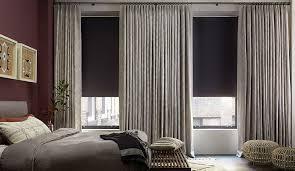
Windows are one of the most defining features of any home or office. They invite natural light, create visual balance, and connect indoor spaces with the outdoors. However, without the right window treatment solutions, even the most beautiful windows can fall short in terms of style, comfort, and privacy. The right window coverings can completely transform the ambiance of a room—adding sophistication, controlling light, enhancing privacy, and improving energy efficiency.
In this article, we’ll explore the most effective window treatment solutions, their types, benefits, and how to choose the right one for your space.
Understanding Window Treatments
Window treatments refer to any coverings or modifications applied to windows for aesthetic, practical, or protective purposes. They can be classified into two main categories:
-
Hard window treatments – made of durable materials like wood, metal, or vinyl (e.g., blinds, shutters).
-
Soft window treatments – made from fabrics and textiles (e.g., curtains, drapes, shades).
Both types offer unique benefits, and combining them often results in the perfect balance of beauty and function.
1. Curtains and Drapes – The Classic Choice
Curtains and drapes are among the most popular and versatile window treatment solutions. They are available in countless styles, fabrics, patterns, and colors, making them ideal for almost any interior.
-
Curtains are typically lightweight and unlined, perfect for casual or semi-formal settings.
-
Drapes, on the other hand, are made from heavier fabrics and are often lined to block out light and insulate rooms.
Benefits:
-
Enhance the aesthetic appeal of any space.
-
Offer adjustable light control and privacy.
-
Help reduce noise and heat transfer when lined.
-
Easy to replace or change seasonally for a fresh look.
Design Tip:
For a modern, airy feel, choose sheer curtains that let in natural light. For a cozy or luxurious vibe, go for velvet or blackout drapes in rich colors.
2. Blinds – Functional and Stylish
Blinds are a practical and stylish window treatment option for homeowners who want precise control over light and privacy. They consist of slats (horizontal or vertical) that can be tilted or lifted.
Common Types:
-
Venetian Blinds – made from wood, faux wood, or aluminum, ideal for bedrooms and offices.
-
Vertical Blinds – great for sliding doors and large windows.
-
Mini Blinds – cost-effective and suitable for small windows.
Benefits:
-
Excellent light control with adjustable slats.
-
Durable and easy to maintain.
-
Available in multiple materials to match different décor themes.
Design Tip:
Opt for wooden blinds in living rooms or studies to add a warm, natural touch. In bathrooms or kitchens, choose moisture-resistant faux wood or aluminum blinds.
3. Shades – Elegant Light Filtering
Window shades are soft fabric panels that can be rolled, folded, or pleated. Unlike blinds, shades are made from a continuous piece of material, offering a clean, seamless look.
Popular Types:
-
Roman Shades: Fabric folds elegantly when raised—ideal for traditional or transitional interiors.
-
Roller Shades: Simple, sleek, and modern; perfect for minimalist spaces.
-
Cellular (Honeycomb) Shades: Designed with air pockets that insulate your windows and save energy.
-
Solar Shades: Filter harmful UV rays while maintaining outdoor views.
Benefits:
-
Provide superior insulation and energy efficiency.
-
Softly diffuse light without completely blocking it.
-
Create a neat, tailored look suitable for modern homes.
Design Tip:
Use dual roller shades that combine blackout and light-filtering fabrics for versatile day-to-night light control.
4. Shutters – Timeless and Durable
Interior shutters are one of the most durable window treatment solutions, combining elegance and long-term value. Typically made from wood or composite materials, shutters come with adjustable louvers that control light and airflow.
Types:
-
Plantation Shutters: Wide louvers that provide a classic, Southern-style look.
-
Café Shutters: Cover only the lower half of the window, allowing light in while maintaining privacy.
-
Tier-on-Tier Shutters: Separate top and bottom panels for flexible control.
Benefits:
-
Add significant curb appeal and increase home value.
-
Offer superior privacy and insulation.
-
Easy to clean and maintain.
Design Tip:
White plantation shutters suit almost any interior design—from coastal to contemporary. They can also make small spaces appear larger and brighter.
5. Motorized and Smart Window Treatments
With the rise of smart home technology, motorized window treatments are becoming increasingly popular. These automated systems let you control blinds, shades, or drapes using a remote, smartphone app, or voice assistant.
Benefits:
-
Convenient for hard-to-reach windows.
-
Enhance home security by automating schedules.
-
Improve energy efficiency with smart light control.
-
Add a touch of luxury and modern sophistication.
Design Tip:
Integrate smart shades with a home automation system to adjust light and privacy based on the time of day or sunlight intensity.
6. Layered Window Treatments – The Best of Both Worlds
Layering is a trending approach that combines multiple window treatment types—such as sheer curtains with blackout drapes, or Roman shades with valances—to achieve both beauty and performance.
Benefits:
-
Enhanced insulation and light control.
-
Aesthetic depth and texture.
-
Customizable for every room’s purpose (e.g., blackout layers in bedrooms, light layers in living rooms).
Design Tip:
Pair neutral-toned shades with patterned drapes for a balanced yet dynamic look.
Choosing the Right Window Treatment Solution
When selecting window treatments, consider these factors:
-
Purpose: Do you need light control, privacy, insulation, or purely decorative appeal?
-
Room Function: Bedrooms may need blackout options, while living areas might benefit from sheer light diffusion.
-
Style Preference: Modern, traditional, bohemian, or minimalist aesthetics all influence your choice.
-
Budget and Maintenance: Some treatments require professional cleaning, while others are low-maintenance.
-
Energy Efficiency: Cellular shades and lined drapes can reduce energy bills by minimizing heat loss.
Final Thoughts
Window treatment solutions are not just about covering windows—they’re about transforming your space’s atmosphere, functionality, and design. Whether you prefer the timeless charm of drapes, the modern appeal of blinds, or the innovation of smart shades, there’s a perfect solution for every need and taste.
By choosing the right combination of style, material, and technology, you can create a living environment that’s comfortable, energy-efficient, and visually stunning.

 English
 Arabic
 French
 Spanish
 Portuguese
 Deutsch
 Turkish
 Dutch
 Russian
 Romaian
 Portuguese (Brazil)
 Greek