

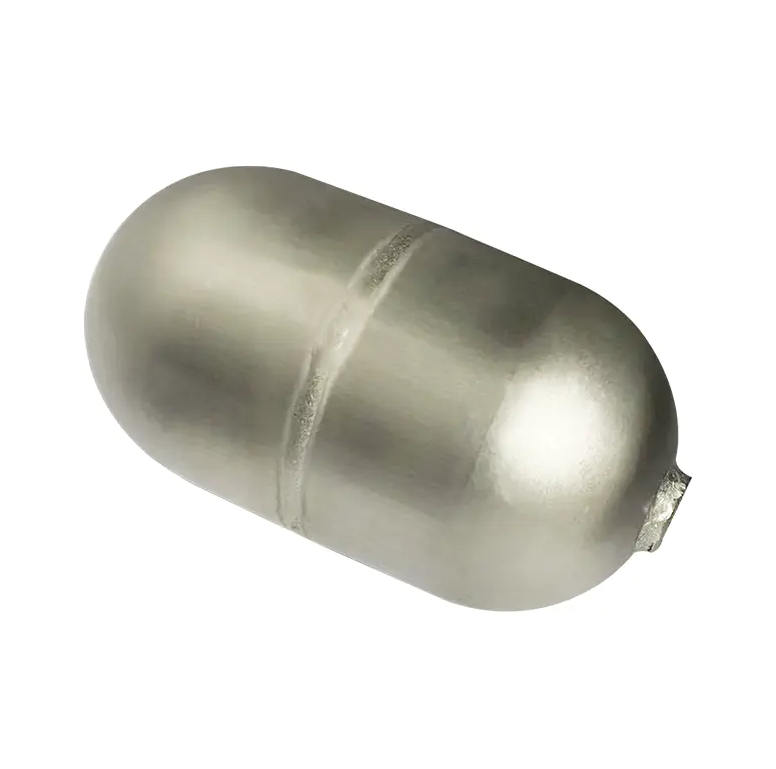
Introduction to Float Ball Functionality
A Float Ball is a key component used in liquid level control, valves, and monitoring systems. Its primary function is to float on the surface of a liquid and provide mechanical or electronic feedback based on liquid height. The diameter and shape of the float ball are crucial factors that directly affect its buoyancy, stability, and overall performance. Proper design ensures reliable operation, reduces the risk of tipping or uneven movement, and maintains accurate liquid level measurements.
Influence of Diameter on Buoyancy
The diameter of a float ball determines the volume of liquid it displaces, which directly affects its buoyancy according to Archimedes’ principle. Larger diameters displace more liquid, resulting in greater upward force and higher load-carrying capacity. This allows the float ball to support heavier mechanisms or larger valve components. Conversely, smaller float balls displace less liquid, generating lower buoyant force, which may limit their use in applications requiring higher stability or heavier attached components. Selecting the appropriate diameter is therefore essential to match the float ball’s intended operational load.
Impact of Shape on Stability
The shape of the float ball also plays a significant role in stability and movement. Spherical shapes are widely used because they provide uniform buoyancy in all directions and resist tilting. Oval or cylindrical shapes may offer advantages in narrow chambers or pipes, but improper ratios of length to width can lead to tilting, rocking, or uneven movement. Stability is critical for accurate liquid level readings, as a float ball that tilts excessively can trigger false signals or cause wear on connected mechanical components.
Combined Effects of Diameter and Shape
Diameter and shape together determine the float ball’s center of gravity, moment of inertia, and response to liquid surface disturbances. A larger, spherical float ball tends to maintain a stable position even in turbulent or flowing liquids, whereas smaller or irregularly shaped balls may oscillate or capsize. Engineers must consider both factors during design to achieve a balance between buoyancy and stability, ensuring that the float ball operates reliably across a range of liquid densities, temperatures, and movement conditions.
Design Considerations for Practical Applications
When selecting or designing a float ball, it is important to account for the specific operating environment. Viscosity, flow rate, and liquid density can all affect the required diameter and optimal shape. Additionally, the float ball must be compatible with the associated control or valve system, ensuring that its buoyancy translates into accurate mechanical or electronic actuation. Proper material choice combined with optimized dimensions guarantees durability and consistent performance over long-term use.
Optimizing Float Ball Performance
In conclusion, the diameter and shape of a float ball significantly influence its buoyancy, stability, and overall functionality. Spherical designs with carefully calculated diameters provide the most reliable performance, especially in dynamic liquid environments. By carefully considering these factors during design or selection, engineers can ensure precise liquid level control, reduce mechanical wear, and maintain the long-term reliability of float-based systems.

 English
 Arabic
 French
 Spanish
 Portuguese
 Deutsch
 Turkish
 Dutch
 Russian
 Romaian
 Portuguese (Brazil)
 Greek