

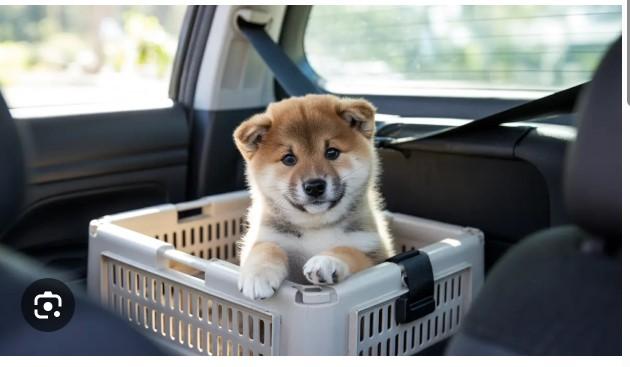
Moving to a new country is a huge undertaking, involving countless forms, logistics, and goodbyes. For pet owners, there's an added layer of complexity: ensuring their furry, feathered, or scaly family member can make the journey safely and legally. If you're planning a move down under, understanding the process of pet immigration to Australia is crucial.
Australia is renowned for its unique ecosystem and strict biosecurity laws, designed to protect its native wildlife from foreign pests and diseases. Because of this, bringing a pet into the country is a meticulous process that requires careful planning and adherence to specific government regulations. While it might seem daunting, thousands of pets successfully immigrate to Australia each year.
This guide will walk you through the essential steps, from initial vet visits to navigating quarantine requirements. We'll break down the process to help you understand what's needed to reunite with your beloved companion in your new Australian home.
Understanding Australia's Biosecurity Rules
Before you start booking flights, it's important to understand why Australia's rules are so strict. The country is free from many serious animal diseases, including rabies, and the government works hard to maintain this status. The Department of Agriculture, Fisheries and Forestry (DAFF) sets the import conditions for all live animals.
These conditions vary significantly depending on two main factors:
- The type of animal: The rules are most established for cats and dogs. Bringing in other animals like rabbits, birds, or horses is possible but often involves a more complex process. Some animals are not permitted at all.
- The country of origin: DAFF categorizes countries into different groups based on their rabies risk. The requirements for pets coming from a rabies-free country like New Zealand are much simpler than for those coming from a country where rabies is prevalent.
This guide will primarily focus on the process for cats and dogs, as they are the most commonly imported pets.
Step-by-Step Guide to Pet Immigration to Australia
The journey for your pet begins many months before your own departure. The entire process, from the first vet check to release from quarantine, can take anywhere from six to eight months. Starting early is the key to a smooth transition.
Step 1: Check Your Pet's Eligibility
First, confirm that your pet is eligible for import.
- Breed: Certain dog breeds are banned from entering Australia. These include the Dogo Argentino, Fila Brasileiro, Japanese Tosa, American Pit Bull Terrier (or Pit Bull Terrier), and Perro de Presa Canario (or Presa Canario). It's also important to note that domestic/non-domestic animal hybrids (like wolf-dog crosses) are generally not eligible.
- Age: Your pet must be at least eight weeks old at the time of export and must not be more than 40 days pregnant or be suckling young.
- Microchip: Your pet must be implanted with an ISO-compliant microchip before any other preparations begin. This microchip is their unique identifier throughout the entire immigration process. Make sure the microchip can be read by an Avid, Trovan, Destron, or other ISO-compatible reader.
Step 2: Rabies Vaccination and Titer Test
This is one of the most time-sensitive parts of the process. If you are not in a DAFF-recognized rabies-free country (Group 1 or 2), your pet will need a rabies vaccination.
- Vaccination: The pet must be vaccinated against rabies after the microchip has been implanted.
- Rabies Neutralising Antibody Titer (RNAT) Test: Following the vaccination, you must wait a specific period (usually 3-4 weeks) before a blood sample is taken for the RNAT test. This test confirms that the vaccine has provided adequate protection against rabies.
- The Waiting Period: The most critical timeline starts here. Your pet cannot enter Australia until at least 180 days have passed from the date the blood sample for the RNAT test was drawn. There are no exceptions to this waiting period. This is often the longest part of the process, so it’s essential to plan accordingly.
Step 3: Obtain an Import Permit
Once the RNAT test results are back and show a sufficient antibody level, you can apply for an import permit from DAFF. You will need to submit the application along with all the required documentation, including the microchip details, vaccination records, and the RNAT test declaration form.
The import permit is typically valid for up to 12 months, giving you a window to arrange your pet's travel.
Step 4: Further Vaccinations and Parasite Treatments
In the weeks leading up to departure, your pet will need a series of other vaccinations and treatments. The exact requirements depend on the country of export but generally include:
- Standard Vaccinations: Ensure your dog's or cat's routine vaccinations are up-to-date. For dogs, this usually includes Distemper, Hepatitis, Parvovirus, Bordetella, and Parainfluenza. For cats, it includes Feline Enteritis, Rhinotracheitis, and Calicivirus.
- Parasite Treatments: Your pet will require specific treatments for internal (nematodes and cestodes) and external (fleas and ticks) parasites, administered by a government-approved veterinarian within a strict timeframe before export.
Step 5: Final Vet Examination and Health Certificate
Within five days of the scheduled flight, your pet must undergo a final health examination. An official government veterinarian in your country of export must complete and endorse the Veterinary Health Certificate, which is part of the import permit. This certificate confirms the pet is healthy and free from any signs of infectious disease.
Step 6: Booking Quarantine and Travel
All pets arriving in Australia (except from New Zealand and a few other specific islands) must undergo a mandatory quarantine period.
- Quarantine Facility: The only post-entry quarantine facility is the Mickleham facility in Melbourne, Victoria. You must book a space for your pet well in advance, as spots can fill up quickly.
- Quarantine Period: The standard quarantine period for cats and dogs is a minimum of 10 days. This can be extended if there are any biosecurity concerns, such as ticks found on the animal or issues with their documentation.
- Travel Arrangements: It is highly recommended to use a professional pet transport company. These companies are experts in pet immigration to Australia and can manage the entire process for you, from vet schedules to flight bookings and quarantine arrangements. They ensure your pet travels in an IATA-approved crate and that all airline and government regulations are met.
After Arrival in Australia
Once your pet lands in Melbourne, they will be transported directly to the Mickleham quarantine facility. You will not be able to visit them during their stay, but the facility staff provides regular updates.
After successfully completing the 10-day quarantine period, your pet will be released. You can either collect them in person from the facility in Melbourne or arrange for a pet transport company to deliver them to your new home anywhere in Australia.
A Smoother Move
Bringing your beloved pet to Australia is a long and detailed process, but it's entirely manageable with proper planning. By starting early, following the government's guidelines precisely, and considering the help of a professional pet relocation service, you can ensure a safe and successful journey for your furry family member. Soon enough, you'll both be enjoying the sunshine and stunning landscapes of your new home down under.

 Arabic
 French
 Spanish
 Portuguese
 Deutsch
 Turkish
 Dutch
 Italiano
 Russian
 Romaian
 Portuguese (Brazil)
 Greek