

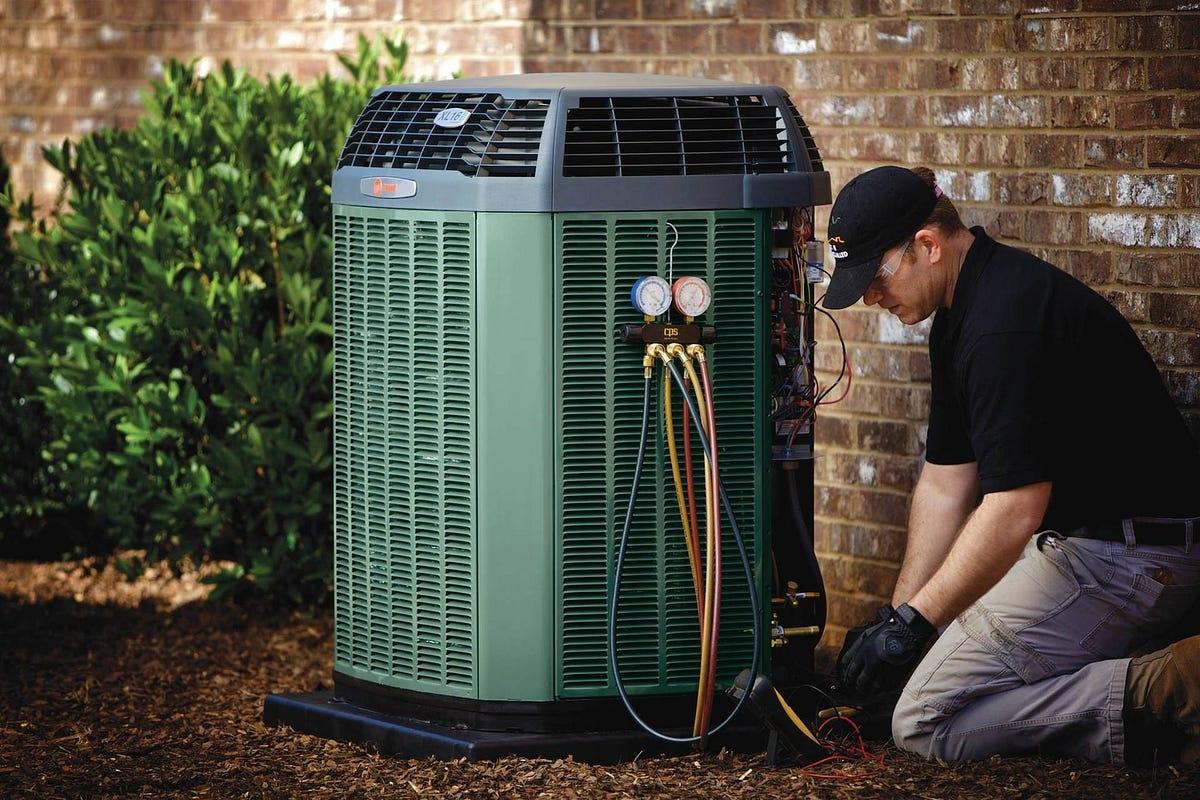
Your heat pump is the unsung hero of your Cranford home, working tirelessly year-round to keep you comfortable. In July, it pulls heat from your stuffy living room and pushes it outside. In January, it does the opposite, finding warmth in the frigid outdoor air to heat your home. This constant reversing of roles, summer and winter, means your system never gets a true off-season. Unlike a standard furnace or air conditioner that rests for half the year, your heat pump is always on call.
This non-stop operation is why maintenance isn't just a recommendation; it's a necessity for longevity. Neglecting it leads to a slow decline—rising energy bills, uneven temperatures, and eventually, a costly mid-season breakdown. The good news is that with a proactive approach, you can protect your investment. Partnering with a professional for a heat pump maintenance service Cranford NJ homeowners trust, and following some key DIY tips, can add years to your system’s life and ensure it runs efficiently through every season.
The High Cost of Neglecting Your Heat Pump
It’s easy to put off maintenance when your system seems to be working fine. But the problems caused by neglect are often silent and cumulative, only becoming apparent when they’ve already hit your wallet hard.
How Wear and Tear Takes Its Toll
A heat pump is a complex system with electrical components, a compressor, coils, a fan, and a reversing valve that changes its function from heating to cooling. When maintenance is skipped:
-
Dirt and Debris Accumulate: The outdoor coil, known as the condenser coil, is constantly exposed to the elements. Over time, it gets clogged with spring pollen, summer cottonwood seeds, and fall leaves from Cranford’s many beautiful trees. A dirty coil can’t efficiently release or absorb heat, forcing the system to run longer and work harder to maintain the temperature you want.
-
Refrigerant Levels Can Drop: Your system is a sealed environment with a precise amount of refrigerant. Small leaks can develop over time. Even a slightly low refrigerant level drastically reduces efficiency and can cause the compressor to overheat and fail—a repair that often costs more than a full system replacement.
-
Electrical Connections Corrode: The constant vibration of a running system can cause electrical connections to loosen. Loose connections lead to unsafe operation, can cause components to fail, and are a common fire risk.
-
The Reversing Valve Sticks: This valve is what makes a heat pump unique. If it gets stuck due to wear or debris, your system will be locked in one mode—leaving you with no heat in winter or no cooling in summer.
The Domino Effect of a Single Missed Tune-Up
What starts as a minor issue can quickly spiral. For example, a dirty air filter inside your home restricts airflow. This causes the entire system to strain. The evaporator coil inside may freeze over. The compressor, which is designed to be cooled by the returning refrigerant, overheats. This single, simple oversight can lead to a cascade of component failures, resulting in a repair bill that could have been avoided with a $20 filter change and a professional check-up.
Your Role in Heat Pump Longevity: Simple DIY Maintenance
While professional service is essential, you are the first line of defense for your system. These simple tasks can have a profound impact on performance and lifespan.
The Outdoor Unit: Your Number One Priority
The part of your system that needs the most attention is the one that sits outside.
-
Keep It Clear: Ensure there is at least two to three feet of clear space around the entire unit. This means regularly trimming back shrubs, bushes, and vines. Good airflow is critical for efficiency.
-
Clean the Surroundings: Regularly remove leaves, grass clippings, and other debris from the unit and the area around it. In the fall, be extra vigilant about keeping it clear of falling leaves.
-
Gentle Cleaning: When the unit is off at the breaker, you can gently rinse the coil fins with a garden hose to wash away surface dirt and pollen. Important: Never use a pressure washer, as the powerful stream can bend the delicate fins and cause permanent damage.
The Indoor Components: Consistency is Key
-
Change Your Air Filters Religiously: This is the single most important thing you can do. A clogged filter is like forcing your system to breathe through a straw. Check your filter every month, especially during peak heating and cooling seasons, and change it at least every 90 days, or more often if you have pets or allergies. A clean filter protects the blower motor and the indoor coil, and it maintains good indoor air quality.
-
Keep Vents Open and Unobstructed: Ensure that all supply and return vents in your home are not blocked by furniture, rugs, or curtains. Blocking vents creates pressure imbalances in your ductwork, forcing the system to work harder and reducing its efficiency.
The Professional Advantage: What a Comprehensive Maintenance Service Includes
Your DIY efforts are vital, but they can't replace the trained eye and specialized tools of a professional technician. A thorough heat pump maintenance service Cranford NJ experts provide is a detailed inspection and tune-up designed to catch problems you can't see.
The Professional Maintenance Checklist
When a certified technician services your heat pump, they perform a multi-point inspection that typically includes:
-
Inspecting and Cleaning Both Coils: They will clean the outdoor condenser coil and the indoor evaporator coil to ensure optimal heat transfer.
-
Checking Refrigerant Charge: They will measure the refrigerant pressure and temperature to ensure the system is properly charged, identifying any potential leaks.
-
Testing Electrical Components: The technician will check all electrical connections for tightness and corrosion, test capacitors for proper function, and verify voltage and amperage on motors.
-
Inspecting and Lubricating the Blower Motor: This ensures the motor that circulates air throughout your home is running smoothly and efficiently.
-
Checking the Thermostat: They will calibrate the thermostat and check its operation to ensure it is accurately controlling the system.
-
Testing the Reversing Valve: The technician will cycle the system between heating and cooling to ensure the reversing valve is operating correctly.
-
Inspecting Ductwork: They will check for obvious leaks or restrictions in the ductwork that could be hampering system performance.
The Tangible Benefits of a Proactive Maintenance Plan
Investing in regular professional maintenance pays for itself many times over, providing benefits you can both feel and measure.
-
Extended Equipment Lifespan: This is the primary goal. A well-maintained heat pump can last 15 years or more, while a neglected one might fail in just 10. You are protecting a major household investment.
-
Lower Monthly Energy Bills: A clean, well-tuned system operates at peak efficiency. According to the U.S. Department of Energy, a maintained system can use 10-25% less energy. On a Cranford winter, that can mean significant savings on your natural gas and electricity bills.
-
Fewer Costly Repairs: Catching a small issue, like a worn capacitor or a minor refrigerant leak, during a tune-up is far less expensive than waiting for it to cause a complete system failure on the coldest night of the year.
-
Consistent, Reliable Comfort: A maintained system provides even heating and cooling throughout your home. You won't have to worry about cold spots in winter or muggy rooms in summer.
-
Preserved Manufacturer’s Warranty: Many manufacturers require proof of annual professional maintenance to keep the equipment’s warranty valid. Skipping service could void this valuable protection.
Your heat pump is a sophisticated, year-round comfort machine. By combining simple, consistent homeowner care with the expertise of an annual professional tune-up, you are not just fixing problems—you are preventing them. This proactive approach is the key to unlocking a longer, more efficient, and more reliable life for your system, ensuring your Cranford home remains a comfortable haven no matter what the weather brings.

 English
 Arabic
 French
 Spanish
 Portuguese
 Deutsch
 Turkish
 Dutch
 Russian
 Romaian
 Portuguese (Brazil)
 Greek