

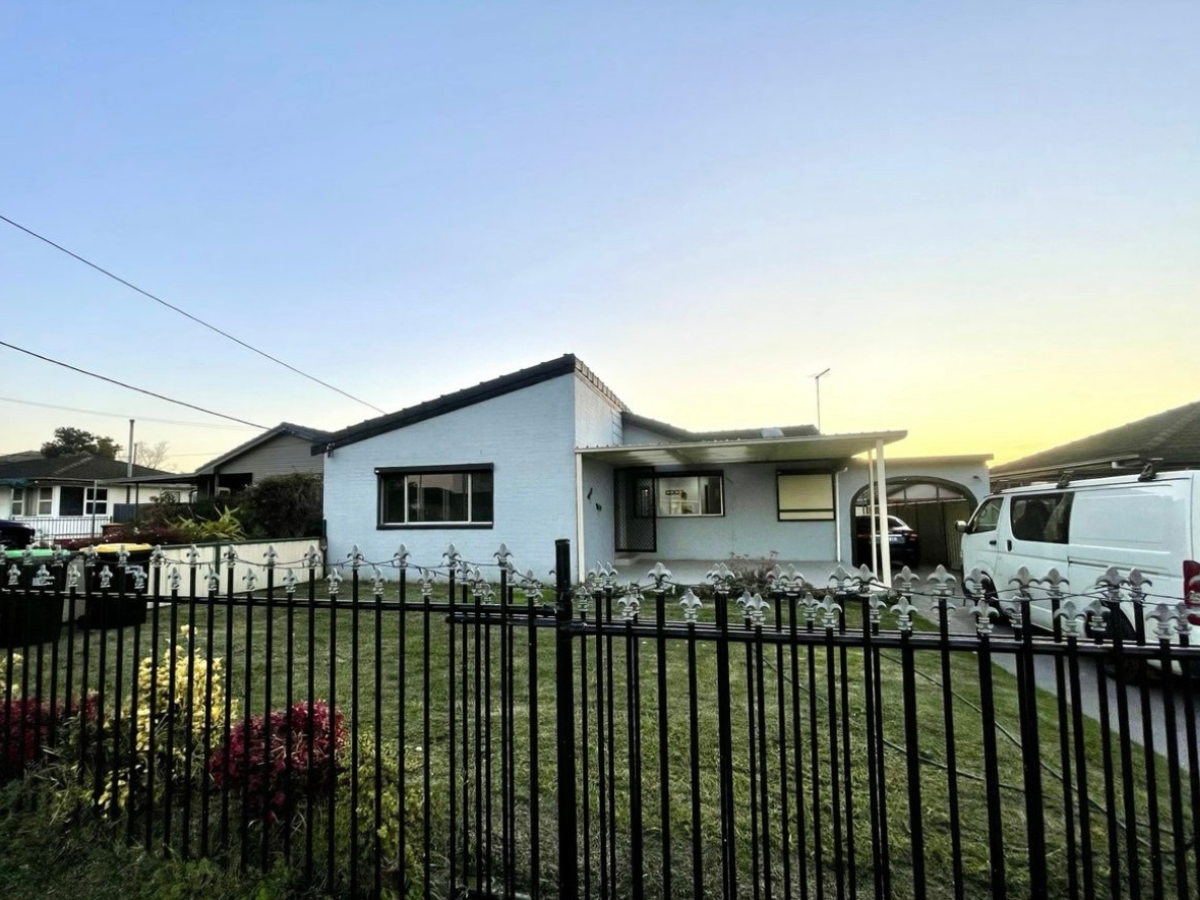
Liverpool, one of Sydney’s fastest-growing regional hubs, has transformed from a historic riverside town into a thriving commercial and residential powerhouse. Located just 27 kilometres southwest of the Sydney CBD, Liverpool offers an unbeatable mix of affordability, connectivity, and lifestyle appeal. For homebuyers and investors searching for a house for sale in Liverpool, the opportunities are abundant—whether you’re a first-home buyer, a growing family, or a savvy investor looking to capitalise on strong capital growth.
In this comprehensive guide, we’ll explore why Liverpool is a top choice for property buyers, the types of homes available, investment potential, and how to navigate the market with confidence. If you’ve been dreaming of owning a home in a vibrant, well-connected suburb, Liverpool might just be your perfect match.
Why Liverpool is a Top Suburb for Homebuyers
Liverpool’s appeal lies in its strategic location and rapid development. With the Western Sydney International Airport set to open nearby and major infrastructure projects like the Sydney Metro Southwest underway, the area is poised for significant growth. The suburb boasts excellent transport links, including Liverpool Station on the T8 and T2 lines, direct access to the M5 and M7 motorways, and a growing network of cycleways and bus routes.
Families are drawn to Liverpool for its quality schools, including Liverpool Public School, Liverpool Boys and Girls High Schools, and several prestigious private institutions. Healthcare is world-class, with Liverpool Hospital being one of NSW’s largest tertiary facilities. Add to that a diverse culinary scene, major shopping at Westfield Liverpool, and recreational spaces like the Georges River parklands, and it’s clear why demand for a house for sale in Liverpool continues to rise.
The median house price in Liverpool hovers around $1.05 million (as of mid-2025), offering better value than many inner-ring Sydney suburbs while delivering strong rental yields of approximately 3.8–4.2%. This combination of liveability and affordability makes Liverpool a standout choice.
Types of Houses for Sale in Liverpool
The Liverpool property market caters to a wide range of buyers. Whether you’re after a classic brick family home or a sleek modern townhouse, there’s something for every budget and lifestyle.
1. Classic Three-Bedroom Brick Homes
These timeless properties dominate older pockets like Liverpool West and Warwick Farm. Often built in the 1970s and 1980s, many have been tastefully renovated with open-plan living, updated kitchens, and ducted air conditioning. Land sizes typically range from 450–600 sqm, offering room for extensions or granny flats.
2. Modern Four and Five-Bedroom Family Homes
New estates in suburbs like Middleton Grange, Horningsea Park, and Austral (technically within the Liverpool LGA) feature spacious double-storey homes with premium inclusions—think stone benchtops, alfresco entertaining areas, and double garages. These properties appeal to growing families who want space without the million-dollar price tag of the eastern suburbs.
3. Townhouses and Duplexes
Perfect for downsizers, young professionals, or investors, low-maintenance townhouses are popping up across Liverpool. Many are part of master-planned communities with shared pools, gyms, and playgrounds. Prices start from around $650,000 for a three-bedroom townhouse, making them an accessible entry point.
4. Renovation Projects and Character Homes
For buyers with vision, older weatherboard or fibro cottages near the CBD offer excellent value. With some TLC, these properties can be transformed into stylish family homes or high-yield rentals. Heritage overlays are rare, giving renovators plenty of flexibility.
5. Luxury and Acreage-Style Properties
On the fringes of the LGA, areas like Bringelly and Rossmore offer semi-rural lifestyles with large land parcels (1,000+ sqm). These prestige homes often include swimming pools, tennis courts, and expansive gardens—ideal for multigenerational living or hobby farming.
The Investment Case for Buying a House in Liverpool
Liverpool’s property market has delivered consistent growth over the past decade, with annual increases averaging 6–8%. Several factors make it a hotspot for investors:
-
Population Growth: The Liverpool LGA is projected to welcome over 100,000 new residents by 2041, driving housing demand.
-
Employment Hubs: Major employers like Liverpool Hospital, Western Sydney University (Campbelltown campus nearby), and the Badgerys Creek Aerotropolis create a strong rental pool.
-
Infrastructure Pipeline: The Sydney Metro, airport, and M12 motorway will enhance connectivity and property values.
-
Rental Demand: Vacancy rates remain below 1.5%, with weekly rents for a three-bedroom house averaging $650–$750.
For investors, a well-chosen house for sale in Liverpool can deliver both capital growth and healthy cash flow. Properties near transport and schools command premium rents, while new developments offer depreciation benefits.
How to Find and Secure Your Dream Home in Liverpool
Buying property in Liverpool can feel competitive, but with the right strategy, you can secure a great deal. Here are some expert tips:
-
Get Pre-Approval Early With interest rates stabilising and buyer confidence returning, pre-approval gives you negotiating power. Speak to a broker about your borrowing capacity before you start inspecting.
-
Work with Local Experts The Liverpool market has unique micro-pockets—prices can vary by $200,000 between streets. Real estate agents in Liverpool understand these nuances, from flood zones to future development overlays. They can alert you to off-market listings and guide you through auction dynamics.
-
Inspect Strategically Attend multiple open homes to understand value. Look beyond cosmetic flaws—focus on land size, orientation, and structural integrity. Pest and building reports are non-negotiable.
-
Understand Council Regulations Liverpool City Council has specific rules around granny flats, dual occupancies, and tree preservation. Check the LEP (Local Environmental Plan) before making offers on renovation projects.
-
Time Your Purchase Spring and autumn remain peak selling seasons, but winter often brings less competition. Motivated vendors may accept lower offers during quieter periods.
Living the Liverpool Lifestyle
Beyond bricks and mortar, Liverpool offers a rich community experience. The annual Liverpool Catholic Club Carnival, multicultural food festivals, and weekend markets at Casula Powerhouse create a vibrant social calendar. Sports enthusiasts enjoy Whitlam Leisure Centre, while nature lovers explore the Chipping Norton Lake loop.
The suburb’s diversity is one of its greatest strengths—over 150 nationalities call Liverpool home, reflected in its restaurants, places of worship, and community events. This inclusivity creates a welcoming environment for newcomers.
Challenges to Consider
No suburb is perfect. Traffic congestion on the Hume Highway during peak hours can frustrate commuters, though the Sydney Metro (due 2030) will ease this. Some older areas near industrial zones may experience aircraft noise once the new airport opens, so check flight path maps if this concerns you. Flood risk is minimal in elevated areas but worth verifying via council maps.
Conclusion
A house for sale in Liverpool represents more than just a property transaction—it’s an investment in a dynamic, future-focused community. With its blend of affordability, infrastructure growth, and lifestyle amenities, Liverpool offers exceptional value in the Sydney market. Whether you’re raising a family, building wealth, or seeking a treechange within reach of the city, this southwest gem delivers.
The key to success? Act decisively, do your homework, and partner with professionals who know the area inside out. Start your search today, attend a few open homes, and visualise your future in one of Sydney’s most exciting growth corridors. Your Liverpool dream home is waiting.
FAQs About Buying a House for Sale in Liverpool
1. What is the average price for a house in Liverpool?
As of 2025, the median house price is approximately $1.05 million, with townhouses starting from $650,000.
2. Is Liverpool a good area for families?
Yes—excellent schools, parks, hospitals, and community facilities make it ideal for raising children.
3. How much deposit do I need to buy in Liverpool?
Typically 10–20% of the purchase price, though first-home buyers may qualify for grants reducing this to 5%.
4. Are there stamp duty concessions for first-home buyers?
Yes—properties under $800,000 are exempt, with concessions up to $1 million (subject to eligibility).
5. What suburbs near Liverpool should I consider?
Moorebank, Casula, Prestons, and Hoxton Park offer similar lifestyles with varying price points.
6. How long do properties stay on the market in Liverpool?
Hot listings sell within 20–30 days, though renovation projects may linger longer.
7. Can I build a granny flat on a Liverpool property?
Most blocks over 450 sqm qualify, subject to council approval and complying development rules.
8. Is public transport reliable in Liverpool?
Yes—frequent trains, buses, and the upcoming Sydney Metro provide strong CBD access.
9. Are there flood risks in Liverpool?
Low-lying areas near the Georges River have minor risk; always check council flood maps.
10. How do I find off-market properties in Liverpool?
Build relationships with local agents—they often have exclusive listings before they hit portals.

 English
 Arabic
 French
 Spanish
 Portuguese
 Deutsch
 Turkish
 Dutch
 Russian
 Romaian
 Portuguese (Brazil)
 Greek