

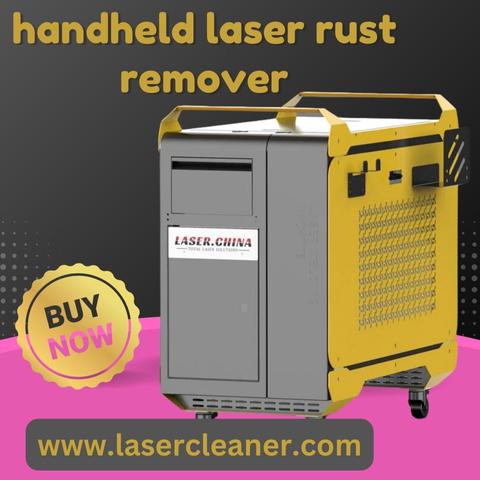
Rust is a persistent problem in industries and at home, affecting the longevity, appearance, and performance of metal surfaces. Traditional methods of rust removal, including chemical treatments, sandblasting, and mechanical scraping, often come with drawbacks such as labor intensity, environmental hazards, or potential damage to the underlying material. The handheld laser rust remover presents a modern, precise, and efficient solution for addressing rust without these complications.
Handheld laser rust removers operate by emitting a highly concentrated laser beam that targets rust molecules on the metal surface. The technology works by using photothermal and photomechanical effects, which break down the rust at a microscopic level. Unlike chemical treatments, there is no need for acids or solvents, making the process cleaner and safer for both the user and the environment. The compact design allows users to maneuver the device into tight spaces, corners, and irregular surfaces where traditional tools struggle to reach.
Industrially, handheld laser rust removers are employed in automotive, shipbuilding, and machinery maintenance. Cars, trucks, and industrial equipment constantly face exposure to moisture, salt, and oxygen, accelerating rust formation. Laser rust removal enables maintenance teams to restore metal surfaces to a clean state, improving the efficiency of painting, coating, or welding operations. For instance, before applying protective coatings, surfaces must be free of oxidation. The precision of a handheld laser rust remover ensures that the surface is adequately prepared without altering its texture or compromising structural integrity.
In the manufacturing and production sector, laser rust removal can be integrated into routine maintenance schedules. Equipment downtime can lead to significant losses, and traditional rust removal techniques may be time-consuming and inconsistent. Handheld laser rust removers allow for faster cleaning cycles, reducing interruptions in production and extending the operational lifespan of machinery. The portability of the handheld design makes it possible for technicians to perform targeted maintenance on large machines without needing to disassemble components.
For smaller applications, such as DIY projects, workshops, and hobbyist metalwork, handheld laser rust removers provide a versatile tool for metal restoration. Antique restorers, metal artists, and home renovators can use the device to clean metal objects without abrasive sanding, preserving intricate details and original finishes. The non-contact nature of laser rust removal ensures that delicate surfaces are not scratched or marred, which is particularly important for decorative pieces or historical items.
Safety is an essential consideration when using any rust removal method. Handheld laser rust removers are designed with built-in safety mechanisms, including protective shields, focused beams, and controlled power output, to minimize risks. Operators are advised to wear protective eyewear and follow operational guidelines to prevent accidental exposure to the laser beam. Unlike chemical treatments, there are no fumes, hazardous residues, or risk of skin irritation, making laser rust removal a safer choice for both professionals and enthusiasts.
Environmental considerations also favor handheld laser rust removers. Traditional rust removal often involves chemicals that can contaminate soil and water if not disposed of properly. Mechanical methods produce dust and debris, which may require additional cleanup and safety precautions. Laser technology eliminates these byproducts, allowing for a cleaner and more environmentally responsible process. This aligns with the growing emphasis on sustainable industrial practices and eco-friendly workshop solutions.
Maintenance of the handheld laser rust remover itself is straightforward. Regular cleaning of the laser lens, inspection of the power source, and proper storage ensure consistent performance over time. Many devices are lightweight and ergonomically designed, reducing operator fatigue during prolonged use. The adaptability of handheld units makes them suitable for a wide range of metals, including steel, iron, and alloys, as well as for varying levels of rust severity.
Handheld laser rust removers are not only tools for cleaning but also instruments for precision restoration. Their ability to selectively remove rust while leaving underlying material intact allows professionals to achieve results that are difficult with traditional methods. For example, in automotive restoration, removing rust from car frames, exhaust systems, or metal trims can now be done efficiently, saving time and preserving structural integrity. In ship maintenance, where saltwater exposure accelerates corrosion, targeted laser rust removal helps extend the lifespan of critical components without the need for costly replacements.
Another application is in quality control and preparation for surface treatments. Paint, powder coating, and electroplating require thoroughly cleaned surfaces to adhere properly. Handheld laser rust removers provide a controlled and uniform cleaning process that ensures the metal is ready for coating or finishing, reducing the likelihood of defects caused by residual rust. This precision is essential in industries where aesthetics, durability, and performance are equally critical.
Emerging trends in handheld laser rust removers show continued innovation in power efficiency, portability, and user interface. Many modern units come with adjustable power settings, allowing operators to tailor the intensity of the laser for different levels of corrosion. This versatility expands their usability across various scenarios, from light surface rust on household tools to heavy industrial oxidation. Battery-operated models enhance mobility, making it easier to perform maintenance in locations without immediate access to electricity.
The widespread adoption of handheld laser rust removers highlights their impact on both industrial and personal applications. They offer a solution that balances efficiency, precision, safety, and environmental responsibility, making them a preferred choice for professionals seeking reliable rust removal solutions. As technology advances, these devices are becoming more accessible, affordable, and practical, ensuring that rust management no longer requires compromising between speed, quality, or safety.
Whether used in large-scale industrial operations, automotive restoration, or personal metalworking projects, handheld laser rust removers demonstrate the advantages of modern technology in addressing age-old problems. They provide a controlled, repeatable process that restores metal surfaces effectively, ensuring longevity and readiness for subsequent treatments or usage. The ease of use, combined with the ability to handle detailed and complex surfaces, makes these devices an essential part of contemporary metal maintenance practices.
In essence, the handheld laser rust remover represents a significant leap forward in metal care. By leveraging precise laser technology, it transforms rust removal from a laborious task into a controlled, clean, and efficient process. Its relevance spans across industries, from automotive and shipbuilding to hobbyist and artisan metalwork, offering a practical solution for maintaining the integrity, functionality, and aesthetics of metal surfaces.
Final Thoughts
Handheld laser rust remover are redefining the standards of metal maintenance and restoration. Their combination of precision, safety, portability, and environmental friendliness makes them indispensable tools for modern industries and DIY enthusiasts alike. By adopting this technology, rust management becomes a cleaner, faster, and more controlled process, ensuring metals remain functional, visually appealing, and protected for years to come.

 English
 Arabic
 French
 Spanish
 Portuguese
 Deutsch
 Turkish
 Dutch
 Russian
 Romaian
 Portuguese (Brazil)
 Greek