

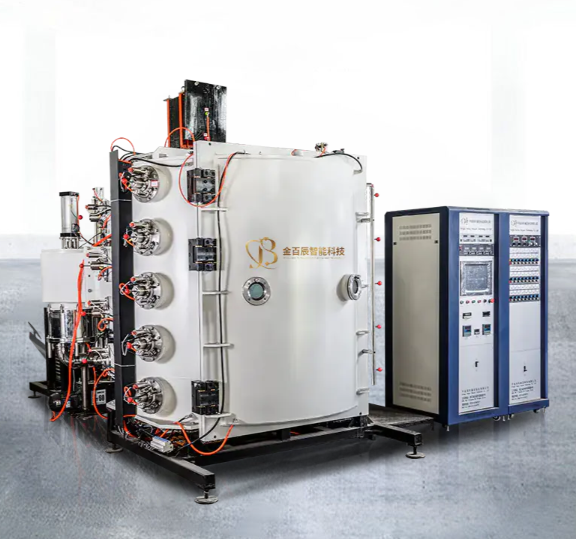
Physical Vapor Deposition (PVD) is a highly advanced coating technique used in various industries to enhance the properties of materials. PVD vacuum coating equipment is essential in this process, providing a means to deposit thin films or coatings on various substrates. This technology has gained popularity due to its versatility and ability to improve the performance and appearance of materials in numerous applications. From electronics to automotive industries, PVD coatings provide several advantages, including improved hardness, wear resistance, and corrosion resistance.
What Is PVD Vacuum Coating?
PVD vacuum coating is a process in which materials are vaporized in a vacuum environment and then deposited as thin films onto the surface of a target object. The PVD vacuum coating equipment used in this process works by creating a controlled vacuum, which allows for the vaporization of metals, ceramics, or polymers that then condense onto a substrate. The result is a thin, durable coating that can be applied to a wide range of materials.
This method is often used to improve the functional properties of materials by providing a surface with enhanced wear resistance, better hardness, reduced friction, and increased corrosion resistance. The process is also highly efficient, environmentally friendly, and can be used for a variety of industries, from aerospace to consumer electronics.
How Does PVD Vacuum Coating Equipment Work?
PVD vacuum coating equipment operates by creating a vacuum inside a chamber, which is crucial for the vaporization process. The materials used for coating are typically in the form of solids, such as metal or ceramic. These materials are heated until they vaporize and form a gas. The vaporized material then travels to the surface of the substrate, where it condenses into a thin film. The process is highly controlled to ensure uniform coating and to prevent contamination.
The equipment includes several key components:
Vacuum Chamber: The chamber provides a controlled environment where the vacuum is created, allowing the coating materials to vaporize and deposit onto the substrate.
Target Material: The material to be deposited, typically in solid form, is placed inside the chamber, where it is heated or energized to produce vapor.
Substrate: The object to be coated is placed in the vacuum chamber. The substrate can be made of various materials, such as metal, glass, plastic, or ceramics.
Power Supply: A power supply is used to generate the energy necessary to vaporize the target material. This energy is often supplied through processes like sputtering or electron beam evaporation.
Control System: The control system manages the entire coating process, ensuring that the vacuum conditions, temperature, and deposition rates are optimized for consistent and high-quality coatings.
Benefits of PVD Vacuum Coating Equipment
Enhanced Durability
One of the main benefits of PVD coatings is their ability to improve the durability of materials. The thin films deposited through PVD vacuum coating equipment are often much harder than the base material, which helps reduce wear and tear. This is particularly beneficial for cutting tools, automotive parts, and medical devices, where long-lasting performance is crucial.
Improved Aesthetic Appearance
In addition to functional improvements, PVD coatings can also provide aesthetic benefits. The process allows for the application of a variety of colors and finishes, including gold, chrome, and black, making it ideal for industries that require attractive, high-quality finishes on products like jewelry, watches, and automotive trim.
Corrosion Resistance
The thin films applied using PVD vacuum coating equipment can significantly improve the corrosion resistance of substrates. This is particularly important for materials exposed to harsh environments, such as marine equipment, aerospace components, and automotive parts, where preventing rust and oxidation is essential.
Environmental and Health Benefits
Unlike traditional coating methods that involve the use of harmful chemicals, PVD vacuum coating is an environmentally friendly process. It does not require toxic chemicals, making it a safer option for workers and reducing the environmental impact. Additionally, PVD coatings do not produce waste byproducts, making the process more sustainable.
Versatility in Applications
PVD coatings can be applied to a wide range of materials and products. This versatility makes PVD vacuum coating equipment highly valuable in industries like automotive, aerospace, electronics, optics, and even medical device manufacturing. The ability to coat materials with precision and control makes it an essential tool for improving both the functionality and appearance of products.
Cost-Effective Solution
Although the initial investment in PVD vacuum coating equipment may be high, the long-term benefits make it a cost-effective solution. PVD coatings can significantly extend the life of components, reducing the need for frequent replacements. Moreover, because the process is more efficient than traditional coating methods, it can also help lower manufacturing costs.
Applications of PVD Vacuum Coating Equipment
PVD vacuum coating equipment is used in a wide range of industries. Some of the most common applications include:
Aerospace: PVD coatings are used on engine components and other parts to improve wear resistance and reduce friction, which is essential for high-performance aerospace applications.
Automotive: PVD coatings are applied to engine components, exhaust systems, and decorative elements to increase durability and improve aesthetics.
Electronics: PVD vacuum coating is used to create thin films for semiconductor devices, connectors, and displays.
Medical Devices: PVD coatings are applied to surgical instruments and implants to enhance biocompatibility and corrosion resistance.
Jewelry and Watches: PVD is used to achieve various attractive finishes, such as gold and chrome, on watches and jewelry.
PVD vacuum coating equipment is an essential tool for enhancing the properties of materials and improving the performance and appearance of various products. With benefits such as increased durability, corrosion resistance, and a wide range of applications, it's clear why industries worldwide rely on this technology. By choosing PVD vacuum coating, manufacturers can produce high-quality, long-lasting products that meet both functional and aesthetic demands while also benefiting from an environmentally friendly process.

 English
 French
 Spanish
 Portuguese
 Deutsch
 Turkish
 Dutch
 Italiano
 Russian
 Romaian
 Portuguese (Brazil)
 Greek