

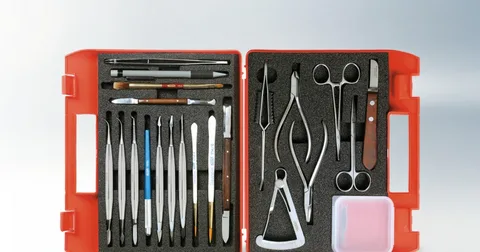
In modern dentistry, precision and patient comfort are top priorities, especially when it comes to tooth extractions. One of the key instruments that have revolutionized the extraction process is the Proximator Luxating Elevator. Known for its ability to perform extractions with minimal trauma, this specialized tool has become a staple in many dental practices. Whether performing routine or complex extractions, Proximator Luxating Elevators offer unparalleled precision and control, making them invaluable for dentists.
In this article, we will explore what Proximator Luxating Elevators are, how they are used, the benefits they provide, and why they are the go-to choice for atraumatic tooth extractions.
What Are Proximator Luxating Elevators?
A Proximator Luxating Elevator is a dental instrument designed for the precise and controlled extraction of teeth with minimal force. Unlike traditional extraction tools that rely on mechanical leverage to remove teeth, Proximator Luxating Elevators work by gently severing the periodontal ligament (PDL) that holds the tooth in place. This minimizes trauma to the surrounding bone and soft tissue, making it an ideal tool for atraumatic extractions.
These elevators are typically made of high-quality stainless steel and come in various designs and sizes, each optimized for specific clinical situations. The thin, sharp blades allow the dentist to access tight spaces, even between the roots of adjacent teeth, ensuring a smooth and controlled extraction process.
Key Features of Proximator Luxating Elevators
1. Thin, Precision Blades
The thin, sharpened blades of the Proximator Luxating Elevator are designed to cut through the PDL with minimal resistance. The sharpness allows for a precise approach to tooth extraction, reducing the need for excessive force.
2. Ergonomic Handles
Proximator Luxating Elevators come equipped with ergonomic handles that ensure comfort and stability during use. The design of the handle allows for better control and reduces hand fatigue, enabling the dentist to work with greater precision over longer periods.
3. Controlled Force Application
Unlike traditional extraction methods that rely on brute force, Proximator Luxating Elevators use controlled, gentle pressure to loosen the tooth. This makes them ideal for cases where preserving the surrounding bone structure is crucial, such as in implant preparation.
4. Anatomical Blade Design
The blades are designed to match the natural contours of the tooth and its surrounding structures. This anatomical design enables the instrument to reach the tight spaces between the tooth and the bone, especially in difficult-to-access areas like posterior teeth.
Why Choose Proximator Luxating Elevators for Tooth Extractions?
1. Atraumatic Extraction
The most significant advantage of using a Proximator Luxating Elevator is its ability to provide an atraumatic extraction. By gently severing the PDL and loosening the tooth without applying excessive force, the instrument minimizes damage to the surrounding bone and soft tissue. This leads to faster healing times and reduced postoperative discomfort for patients.
2. Preservation of Bone Structure
One of the key challenges in tooth extraction, particularly in preparation for implants, is preserving the integrity of the bone. Proximator Luxating Elevators help minimize bone loss, making them ideal for cases where future dental implants or other restorative procedures are planned. Their precision ensures that bone is kept intact and available for future treatments.
3. Reduced Risk of Root Fracture
The precise cutting action of the Proximator Luxating Elevator helps reduce the risk of root fractures during the extraction process. Traditional methods that rely on heavy leverage can sometimes cause the tooth to break or fracture, especially in brittle or weak teeth. The Proximator's controlled pressure minimizes this risk.
4. Faster Recovery and Less Postoperative Pain
Because Proximator Luxating Elevators are designed to minimize trauma to the surrounding tissues, patients often experience less pain and swelling after the procedure. This leads to faster recovery times and a more comfortable post-operative experience.
How to Use Proximator Luxating Elevators
Using a Proximator Luxating Elevator requires a steady hand and careful technique. Here’s a general step-by-step guide on how dentists typically use this tool during extractions:
Step 1: Insert the Elevator Blade into the PDL Space
The dentist begins by gently inserting the blade of the Proximator Luxating Elevator between the tooth and the surrounding bone. This is done carefully to avoid damaging adjacent teeth or soft tissues.
Step 2: Apply Gentle Pressure
Once the blade is in position, the dentist applies gentle pressure to cut through the periodontal ligament. The controlled force allows the tooth to loosen without applying excessive force, which could cause bone loss or fractures.
Step 3: Work Around the Tooth
The dentist moves the instrument around the tooth to sever the PDL evenly and release the tooth from the socket. This step ensures that the tooth is fully loosened, making it easier to remove.
Step 4: Extract the Tooth
Once the tooth is sufficiently loosened, the dentist uses forceps or other extraction instruments to remove the tooth from the socket. The extraction process is smoother, and the surrounding tissues are less disturbed.
Step 5: Post-Extraction Care
After the extraction, the dentist may use the same instrument to check the socket for any remaining fragments of the tooth or debris. The socket is then cleaned, and the area is prepared for healing or for further procedures such as implant placement.
Common Applications of Proximator Luxating Elevators
1. Routine Extractions
Proximator Luxating Elevators are ideal for routine tooth extractions, especially in cases where the tooth is not severely impacted or rooted. Their ability to work with precision makes them effective for extracting teeth with minimal discomfort.
2. Surgical Extractions
For more complex extractions, such as those involving impacted teeth or teeth with curved roots, Proximator Luxating Elevators allow for controlled and accurate movements, making these extractions less traumatic.
3. Implant Preparation
In cases where dental implants are planned after extraction, it is crucial to preserve the bone structure as much as possible. Proximator Luxating Elevators help maintain the integrity of the bone, ensuring the socket is ready for implant placement.
4. Endodontic Failures
When a root canal treatment fails, the tooth may become fragile or infected. Proximator Luxating Elevators can safely extract such teeth without causing additional damage to the surrounding bone.
FAQs About Proximator Luxating Elevators
1. What makes Proximator Luxating Elevators different from traditional elevators?
Traditional elevators rely on mechanical leverage to remove the tooth, which can sometimes cause bone damage. Proximator Luxating Elevators use controlled, gentle pressure to sever the periodontal ligament and loosen the tooth, minimizing trauma to the bone and soft tissue.
2. Are Proximator Luxating Elevators suitable for all types of tooth extractions?
Yes, Proximator Luxating Elevators are versatile and can be used for a wide range of extractions, including routine, surgical, and impacted teeth. Their precision makes them particularly effective for complex extractions.
3. Can Proximator Luxating Elevators be used for dental implants?
Yes, they are particularly useful for extractions where bone preservation is important for future implant placement. By minimizing bone loss during extraction, these instruments create optimal conditions for implant placement.
4. Do Proximator Luxating Elevators reduce postoperative pain?
Yes, because they cause less trauma to the surrounding tissues, patients experience less pain, swelling, and discomfort after the procedure compared to traditional extraction methods.
5. How do I maintain Proximator Luxating Elevators?
Proximator Luxating Elevators should be cleaned thoroughly after each use, sterilized using standard autoclave procedures, and inspected regularly to ensure they are sharp and functional.
Conclusion
Proximator Luxating Elevators are a critical tool for modern dental extractions. With their ability to perform atraumatic extractions, preserve bone structure, and reduce postoperative discomfort, these instruments have become an essential part of many dental practices. Their precision and versatility make them suitable for a wide range of extraction cases, from routine extractions to complex surgical procedures.
By using Proximator Luxating Elevators, dentists can ensure better outcomes for their patients, improve healing times, and provide a more comfortable extraction experience. If you are looking to optimize your dental extractions, incorporating Proximator Luxating Elevators into your practice could be the key to achieving superior results.

 English
 Arabic
 French
 Spanish
 Portuguese
 Deutsch
 Turkish
 Dutch
 Russian
 Romaian
 Portuguese (Brazil)
 Greek