

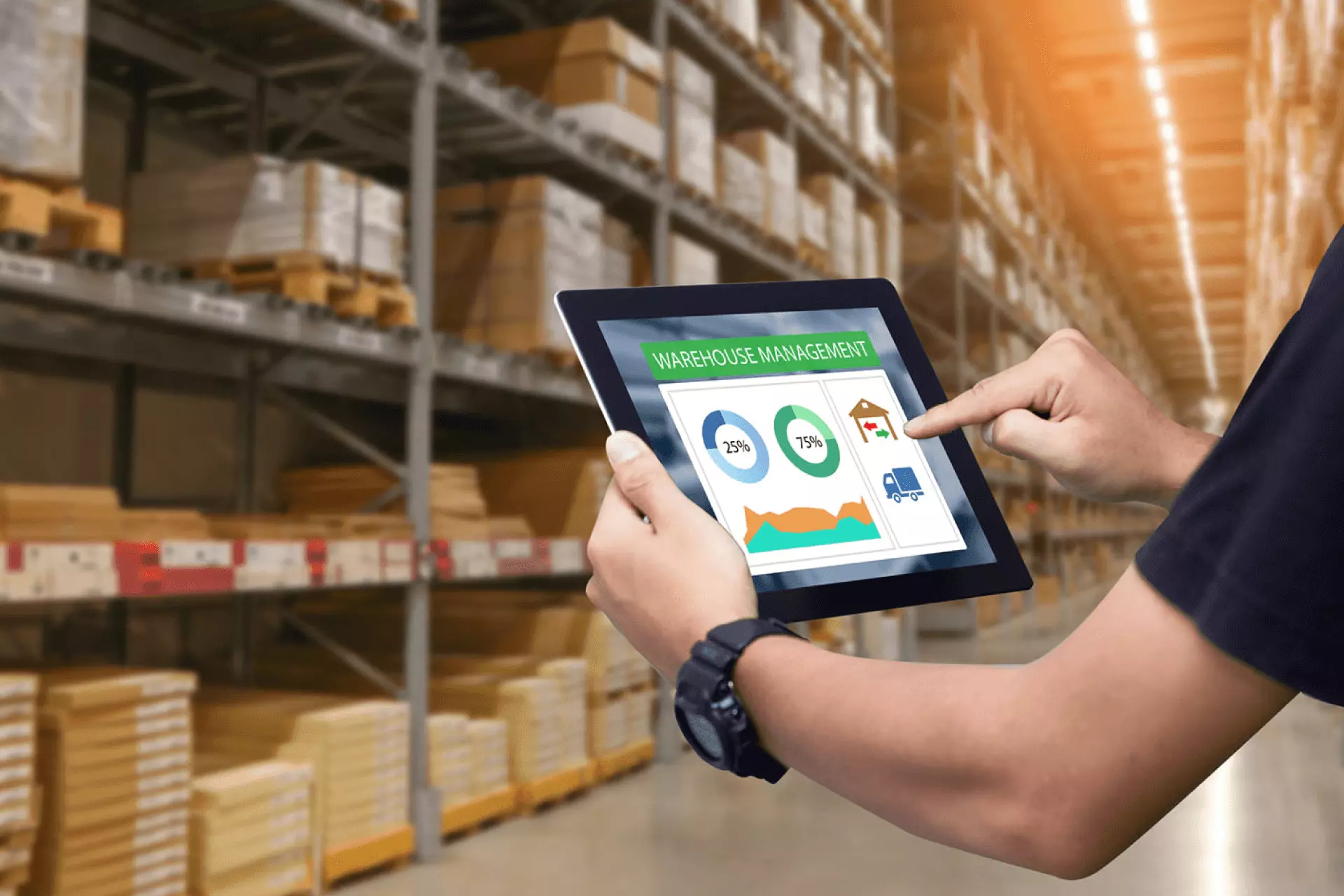
The United States retail sector is in the midst of a profound operational revolution, driven by the widespread adoption of Retail Automation Software. This broad category of technology encompasses the digital tools used to streamline, optimize, and automate every facet of the retail value chain, from back-of-house inventory management and supply chain logistics to customer-facing checkout processes and personalized marketing. The primary impetus for this trend is a powerful combination of intense competitive pressure, rising labor costs, and a dramatic shift in consumer expectations towards speed, convenience, and personalization. US retailers are no longer just competing on price and product, but on the efficiency and intelligence of their operations. Retail automation software is the essential digital infrastructure that enables this new form of competition, allowing retailers to reduce manual tasks, minimize human error, make more data-driven decisions, and ultimately, to create a more seamless and profitable customer experience. This software is not a luxury; it has become a fundamental requirement for survival and growth in the modern American retail landscape, touching everything from the warehouse shelf to the customer's smartphone.
Key Players
The key players enabling this transformation in the US are a diverse group. They include the major enterprise resource planning (ERP) and retail management suite providers like Oracle and SAP, who offer comprehensive, end-to-end solutions for large retail chains. A second group consists of the leading point-of-sale (POS) and commerce platform providers such as NCR, Toshiba Global Commerce Solutions, and Shopify, which are the operational backbone for millions of retail transactions. A third and increasingly influential category are the specialized software vendors focusing on specific areas of automation, from warehouse management system (WMS) leaders to a new generation of AI-powered startups specializing in demand forecasting and dynamic pricing. Finally, the major cloud hyperscalers—AWS, Microsoft Azure, and Google Cloud—are crucial players, providing the underlying cloud infrastructure and the advanced AI/ML services upon which many of these modern retail automation platforms are built. This ecosystem of ERP giants, POS leaders, specialized startups, and cloud providers collectively powers the industry's automation journey.
Future in "Retail Automation Software"
The future of retail automation software in the United States points towards a fully integrated and intelligent, "autonomous" retail enterprise. The next phase of innovation will focus on breaking down the data silos that still exist between different systems. The future will see a much deeper, real-time integration between supply chain software, in-store inventory systems, and e-commerce platforms, creating a single, unified view of commerce that enables more accurate forecasting and more efficient omnichannel fulfillment. A second major future trend will be the pervasive use of artificial intelligence and machine learning. AI will move beyond simple analytics to power autonomous decision-making across the enterprise, from automatically adjusting prices based on real-time demand to dynamically reallocating inventory between stores and warehouses. The ultimate vision is a "self-driving" retail operation where a majority of routine operational decisions are made by intelligent software, freeing up human employees to focus on high-value customer interaction and strategic tasks, a trend being pioneered in the highly competitive US market ahead of other regions like South America.
Key Points "Retail Automation Software"
This overview highlights several crucial points about the US retail automation software landscape. The primary driver is the need to increase efficiency and meet new consumer expectations for speed and convenience. The key players are a diverse mix of large ERP/POS providers, specialized software vendors, and the major cloud platforms. The future is a move towards a fully integrated, AI-powered, autonomous retail operation. This software is the central nervous system of the modern American retail business, enabling a level of efficiency and intelligence that is impossible to achieve through manual processes alone. The Retail Automation Software size is projected to grow to USD 24.79 Billion by 2035, exhibiting a CAGR of 10.1% during the forecast period 2025-2035.
Top Trending Reports -
South Korea Smart Lecture Capture System Industry

 English
 Arabic
 French
 Spanish
 Portuguese
 Deutsch
 Turkish
 Dutch
 Russian
 Romaian
 Portuguese (Brazil)
 Greek