

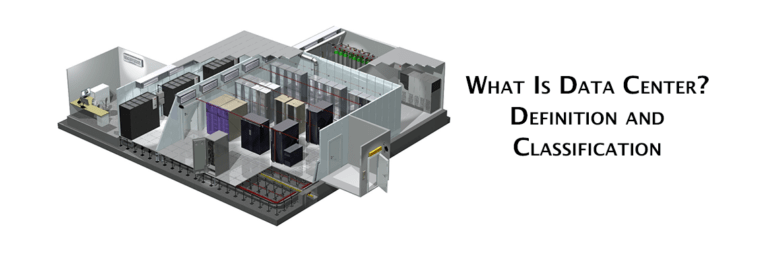
The United States represents the largest, most mature, and most influential data center market in the world, a foundational component of the global digital economy and a key area of focus in any analysis of Data Center Growth Statistics. This multi-billion-dollar industry encompasses the physical infrastructure—the secure buildings, vast amounts of power, sophisticated cooling systems, and rich network connectivity—that houses the computing and storage hardware upon which the entire digital world runs. The US market is characterized by its immense scale, with massive data center campuses concentrated in key geographic hubs, and by its technological sophistication, as it is the primary and initial battleground for deploying the next generation of data center technologies. The immense market growth experienced in the US is a direct result of it being the home base for the world's largest producers and consumers of digital services, including the major cloud hyperscalers, social media companies, and a vast ecosystem of enterprise and financial services firms. The demand for data center capacity in the US is a direct proxy for the growth of the digital economy itself, driven by unstoppable trends like cloud computing, the explosion of data, and the rise of artificial intelligence. The US market is not just another region; it is the global epicenter of digital infrastructure.
Key Players
The key players driving the growth statistics in the US data center industry are a mix of major real estate investment trusts (REITs), large private equity-backed developers, and the hyperscale cloud providers themselves. In the colocation and wholesale data center space, the key players are the two dominant, publicly-traded REITs: Digital Realty and Equinix. Digital Realty is a leader in providing large-footprint, "wholesale" data center space to the hyperscalers and major enterprises. Equinix is the undisputed leader in the "retail" colocation and interconnection space, operating a vast portfolio of data centers that act as major hubs for network and cloud connectivity. A second group of key players are the large, private equity-backed data center operators and developers, such as CyrusOne and a host of others, who are aggressively competing with the public REITs to build massive new data center campuses to meet the insatiable demand from the hyperscalers. The third, and most powerful, group of key players are the hyperscale cloud providers themselves—Amazon Web Services (AWS), Microsoft Azure, and Google Cloud. They are the primary source of demand in the market, leasing massive amounts of capacity from the developers, but they are also major builders of their own facilities, giving them immense control and influence over the entire market.
Future in "Data Center Growth Statistics"
The future of data center growth in the United States will be defined by the race to build capacity for artificial intelligence and the challenge of securing sufficient power and land. The next major trend will be a massive construction boom of new data centers that are specifically designed for the extreme power and cooling requirements of high-density AI workloads. These "AI data centers," often requiring liquid cooling technologies, will become a new, premium asset class, and the developers who can build them at scale will capture a significant share of future growth. A second major future trend will be a geographic diversification of the market. The primary US data center market, Northern Virginia, is facing major power constraints. This will force a "great diversification" of new development into a host of secondary markets across the country that have available land and, more importantly, access to abundant and affordable power. The future map of the US data center industry will be much more geographically distributed than it is today. This is a dynamic not seen to the same extent in the more centralized data center markets of Europe or the APAC region, where a single metro area often dominates an entire country's capacity.
Key Points "Data Center Growth Statistics"
This strategic overview highlights several crucial points about the US data center growth statistics. First, the US is the world's largest and most mature market, serving as the foundational infrastructure for the global digital economy. Second, the key players are a competitive mix of the major data center REITs (Digital Realty, Equinix), large private developers, and the hyperscale cloud providers who are both the primary customers and major builders themselves. Third, the future battle for market share and growth will be won by the companies that can most effectively build the next generation of high-density AI data centers and can successfully navigate the power and land constraints by expanding into new geographic markets. Ultimately, the competition for data center market share in the US is a high-stakes, capital-intensive race to build the physical homes for the world's rapidly expanding digital universe. The Data Center Growth Statistics is projected to grow to USD 150.11 Billion by 2035, exhibiting a CAGR of 7.82% during the forecast period 2025-2035.
Top Trending Reports -
Web Push Notification Software Market Size
Data Center Deployment Spending Market Size

 English
 Arabic
 French
 Spanish
 Portuguese
 Deutsch
 Turkish
 Dutch
 Russian
 Romaian
 Portuguese (Brazil)
 Greek