

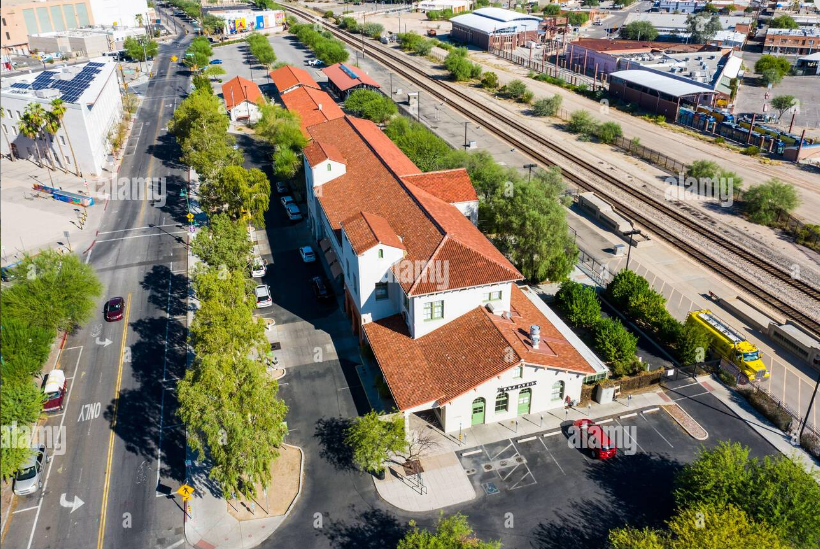
In a city known for its bridges, rivers, and steel heritage, the Pittsburgh Amtrak Station stands as a powerful reminder that long-distance train travel is still alive, scenic, and deeply connected to Pittsburgh’s identity. Officially operating under Amtrak, this station—most famously recognized by its historic title Union Station—is the city’s only active intercity passenger rail terminal. Positioned in downtown Pittsburgh, it offers travelers a central arrival and departure experience unlike airports or bus depots.
From Industrial Boom to Passenger Platform: A Journey Through Time
Constructed in 1903 by the legendary Pennsylvania Railroad, the station opened during an era when Pittsburgh was rapidly becoming America’s steel production capital. It was designed by Daniel Burnham, one of the most influential American urban planners and designers of the late 19th and early 20th centuries. He crafted the station in the majestic Beaux-Arts architectural style, an expressive design language featuring classical detailing, grand entrances, vaulted spaces, and visual rhythm.
In the early 1900s, Pittsburgh was home to industrial giants, rapidly expanding factories, and millions of tons of steel flowing out of the city. Union Station served as a gateway for influential businessmen, everyday laborers, immigrant families, and long-distance travelers. The station hummed with steam engine whistles, heavy boots, newspaper sellers, porters, and conductors managing a constant flow of departures.
The decline of privately operated passenger rail service in the mid-20th century led to quieter days for many American stations. But in 1971, when Amtrak was created by the federal government to preserve and operate national passenger rail, Union Station was absorbed into its route network and resumed life as Pittsburgh Amtrak Station. While the station is no longer the busiest rail hub it once was, its relevance remains firm, carrying both historic prestige and everyday passenger purpose.
Architectural Highlights That Make the Station a Landmark
Even if you’re not a train traveler, the station alone is worth admiring. Its architecture tells a grand story:
-
Rotunda Dome Interior: A soaring central dome crowns the main hall, creating one of the city’s most photographed transit interiors.
-
Classical Arches & Brickwork: The exterior blends detailed brick masonry with heavy stone accents and refined symmetry.
-
Tall Ceilings & Open Halls: Spacious waiting areas echo the proud scale of early American rail architecture.
-
Historic Plaques & Details: While modern seating and digital ticket kiosks have been added, heritage elements remain beautifully intact.
The station was listed in 1974 on the National Register of Historic Places (NRHP), ensuring its architectural and cultural preservation.
Key Amtrak Routes Still Serving Pittsburgh Daily
Despite being a single-terminal city, Pittsburgh has powerful rail reach. Two main Amtrak lines operate from Pittsburgh Amtrak Station:
🚆 The Pennsylvanian Line
Operated by Amtrak, The Pennsylvanian Line connects Pittsburgh to New York City, primarily running once daily in each direction. This route is a favorite among scenery lovers and Northeast commuters. Major city stops include:
-
Harrisburg
-
Philadelphia
-
Lancaster
-
Altoona
-
Newark (New Jersey)
This journey passes through the Allegheny Mountains, offering a breathtaking natural showcase of forests, ridgelines, small towns, river glimpses, tunnels carved through mountains, and skies that feel larger and closer.
🚆 The Capitol Limited Line
Also run by Amtrak, this long-distance route runs between Chicago, and Washington, D.C. Pittsburgh serves as a major midpoint stop. Important stations along the way include:
-
Cleveland
-
Toledo
-
Akron
-
Harpers Ferry (West Virginia)
-
Baltimore
The Capitol Limited often includes overnight carriages, making it a practical choice for passengers preferring economy sleeping travel over early morning flights or exhausting highway driving.
Station Facilities: Modern Travel Essentials Inside a Historic Shell
Amtrak has integrated essential services to support 21st-century travel needs while honoring the building’s legacy. Travelers have access to:
-
Staffed Ticket Counters: Friendly in-station support provided by Amtrak personnel
-
Self-Service Ticketing Kiosks
-
Indoor Waiting Lounge with Seating
-
Public Restrooms
-
Vending & Nearby Food Access
-
Taxi & Rideshare Pick-Up Zones outside the station
Although well placed and well staffed, the station does not currently offer checked baggage services or luggage storage. Unlike larger hubs like Chicago’s Union Station or New York’s Penn Station, Pittsburgh operates on a smaller scale, so travelers must plan to handle their luggage personally.
Accessibility for All
Amtrak has ensured ADA compliance at Pittsburgh Amtrak Station, offering:
✔ Elevators
✔ Wheelchair-accessible boarding zones
✔ Assistance from Amtrak staff
✔ Level access to the passenger lounge
This focus on inclusion makes it comfortable for elderly passengers, families with strollers, and individuals with mobility requirements.
Seamless Downtown Connectivity
The station’s downtown Pittsburgh location is one of its biggest advantages. From here, passengers can easily connect to:
-
PAAC (Bus services from Port Authority of Allegheny County)
-
Pittsburgh Light Rail (locally called the "T")
Arriving in the city center means direct access to hotels, offices, cultural districts, riverfront walks, and entertainment hubs.
Top Attractions Only Minutes Away
Stepping out of Pittsburgh Amtrak Station places you near some of the city’s most exciting landmarks. Many of these stops help travelers plan city experiences without needing onward transport:
-
David L. Lawrence Convention Center → ideal for events, exhibitions & meetings
-
Strip District → local food markets, nightlife, bakeries, restaurants & vintage stores
-
Point State Park → riverside relaxation, scenic photo points, and walking trails
-
PNC Park → home stadium of the Pittsburgh Pirates baseball team
-
Cultural District → theaters, music halls, galleries, local diners, and street energy
Why Rail Travelers Still Love This Station
Even today, riders choose train travel from Pittsburgh Amtrak Station for many reasons:
✅ Scenic routes that turn travel into experience
✅ No long security lines like air travel
✅ Comfortable seating and productive transit time
✅ Central city arrival and departure
✅ A chance to slow down and enjoy the American landscape
Travel Tips for Departing Passengers
-
Try to arrive 20–30 minutes before departure
-
Carry your ticket digitally or print via kiosk
-
Pack essentials in your hand luggage (no storage service inside)
-
Check weather ahead—views feel best with clear daylight on both routes
-
Keep your camera ready for mountain tunnels and river flashes
Final Thoughts
is more than just a place to catch a train. It is a historic rail monument still performing a modern job, blending the ambition of Pennsylvania Railroad’s golden age with the reliability of Amtrak’s national connectivity. Its vaulted halls, daily passenger movement, scenic long-distance routes, and urban accessibility make it an unforgettable stop on America’s intercity rail map.

 English
 French
 Spanish
 Portuguese
 Deutsch
 Turkish
 Dutch
 Italiano
 Russian
 Romaian
 Portuguese (Brazil)
 Greek