

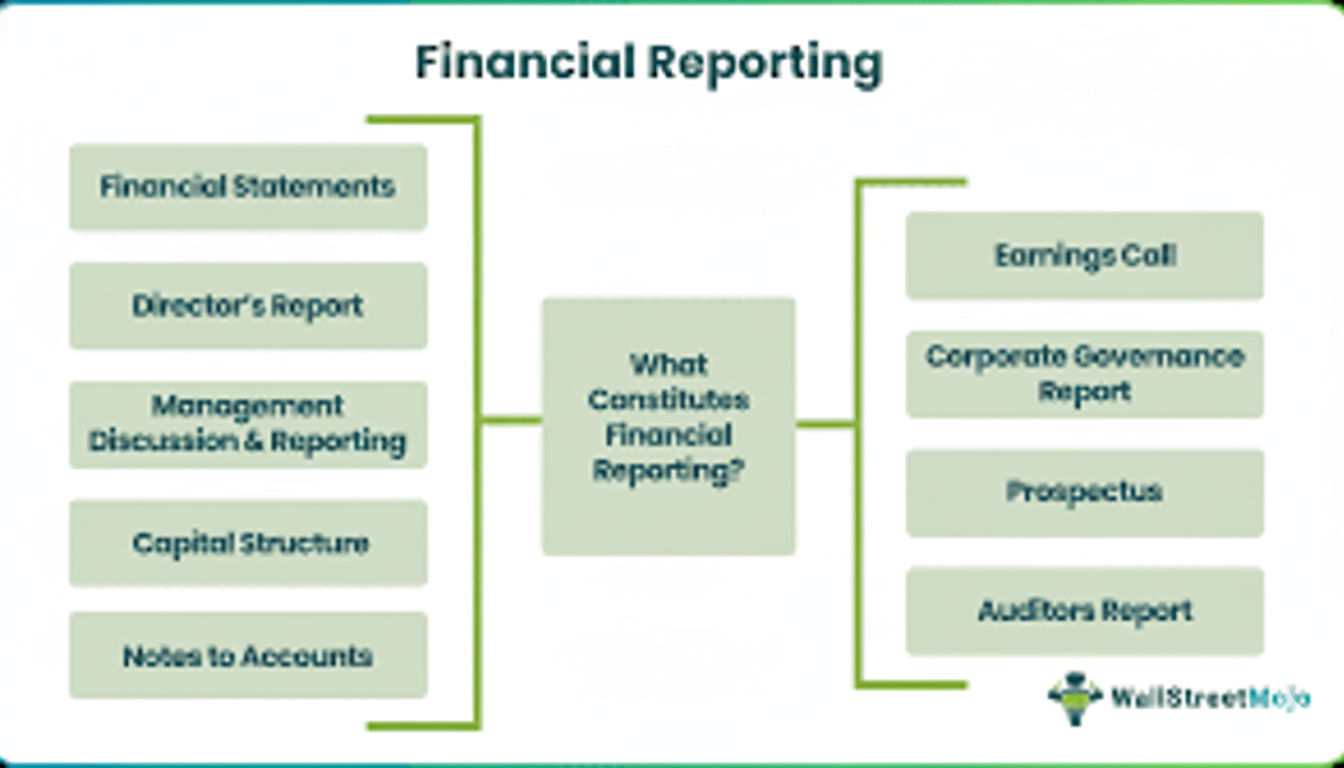
Financial reporting plays a critical role in every business. It shows the company’s financial health and supports informed decisions. Yet many businesses make reporting mistakes that lead to wrong conclusions and poor choices. These errors can also create legal issues and damage credibility with investors and lenders. Understanding these mistakes helps businesses stay compliant and grow confidently. This blog explains the most common financial reporting mistakes and offers practical ways to avoid them.
1. Inaccurate Data Entry
Inaccurate data entry is a common problem. It happens when numbers are typed incorrectly or entered in the wrong accounts. These mistakes create misleading reports and false results. Even small errors can affect major decisions.
How to Avoid It
Use accounting software that offers automated data entry. Review entries regularly before finalizing reports. Train staff to follow consistent data entry rules. Double-check numbers during monthly closings to ensure accuracy.
2. Poor Record-Keeping
Many businesses fail to keep proper financial records. Missing receipts, lost invoices, and unorganized files create confusion. Poor record-keeping leads to incomplete reports and incorrect tax filings. It also makes audits stressful and time-consuming.
How to Avoid It
Create a disciplined record-keeping system. Store documents digitally using cloud platforms. Ensure every financial transaction has a supporting document. Review records weekly to prevent backlog. Encourage employees to submit receipts on time.
3. Mixing Personal and Business Finances
This mistake is common in small businesses. Mixing personal and business expenses causes inaccurate reporting. It also makes tax filing difficult and reduces financial transparency. Investors and lenders consider this a major red flag.
How to Avoid It
Open a separate bank account for business activities. Use dedicated cards for business purchases. Track personal expenses separately. Avoid using company funds for personal needs. Keep a clear boundary between personal and business spending.
4. Not Reconciling Accounts Regularly
Account reconciliation compares internal records with bank statements. Many businesses skip this step due to lack of time or awareness. When accounts are not reconciled, errors go unnoticed. These errors can grow into major financial issues.
How to Avoid It
Reconcile accounts every month. Use software that supports automatic reconciliation. Investigate any differences immediately. Assign reconciliation tasks to trained staff. This ensures accurate and reliable financial information.
5. Misclassifying Expenses
Misclassifying expenses is a frequent reporting mistake. When expenses fall into the wrong categories, reports become misleading. It affects profit calculations, tax deductions, and budgeting accuracy.
How to Avoid It
Create clear guidelines for expense categories. Train staff on proper classification. Use accounting software with predefined categories. Review expense reports monthly to catch mistakes early.
6. Failing to Track Cash Flow Properly
Many businesses track revenue and expenses but ignore cash flow. Poor cash flow tracking leads to surprise shortages. It also affects the company’s ability to meet obligations. Cash flow mistakes can shut down even profitable businesses.
How to Avoid It
Monitor cash flow weekly or monthly, depending on activity. Use cash flow statements to understand inflows and outflows. Plan ahead for large expenses. Maintain a cash reserve for emergencies.
7. Ignoring Depreciation
Some businesses fail to record depreciation correctly. Depreciation reflects how assets lose value over time. Ignoring it inflates profits and gives a false view of the company’s financial health.
How to Avoid It
Use standard depreciation methods like straight-line or declining balance. Update asset lists regularly. Record depreciation every accounting period. Consult an accountant to choose the best method for your assets.
8. Not Reviewing Financial Reports Regularly
Many owners prepare reports but never review them. This mistake leads to missed insights and poor decisions. Regular review helps identify trends, risks, and opportunities.
How to Avoid It
Schedule monthly financial review meetings. Analyze income statements, balance sheets, and cash flow reports. Compare results with goals and budgets. Use the insights to improve business strategies.
9. Using Outdated Accounting Software
Some businesses rely on old software that lacks essential features. Outdated tools slow down reporting and increase errors. Modern reporting needs automation, accuracy, and real-time updates.
How to Avoid It
Upgrade to reliable accounting software with modern features. Choose software that suits your business size. Look for tools with automation, cloud access, and reporting dashboards. Train staff to use the software effectively.
10. Lack of Internal Controls
Internal controls prevent fraud, errors, and unauthorized transactions. Many businesses do not implement proper controls. This increases risks and weakens financial reporting accuracy.
How to Avoid It
Separate duties among staff. Ensure approval for major payments. Use passwords and restricted system access. Conduct regular internal audits. Strong controls protect financial data and ensure transparency.
11. Misunderstanding Accounting Standards
Every business must follow specific accounting standards. Mistakes occur when staff misunderstand these rules. This leads to non-compliance, penalties, and incorrect reporting.
How to Avoid It
Stay updated with accounting standards in your country. Train staff on compliance requirements. Consult professionals when needed. Use accounting tools that automatically apply standard rules.
12. Not Using Accrual Accounting Properly
Accrual accounting records income and expenses when they occur, not when cash moves. Some businesses misapply this method. This leads to inaccurate profit reporting and confusion.
How to Avoid It
Understand the difference between cash and accrual accounting. Follow accrual rules consistently. Record revenue when earned and expenses when incurred. Review entries to ensure proper timing.
13. Overlooking Small Expenses
Small expenses seem harmless. But when ignored, they accumulate and distort financial reports. Many businesses fail to track petty cash or minor purchases.
How to Avoid It
Track all expenses, no matter the size. Use expense-tracking apps for quick entries. Review petty cash regularly. Set limits and approvals for small purchases.
14. Delayed Data Updates
Some businesses update financial data only once or twice a year. Delayed updates cause outdated information. This leads to decisions based on old results and not current performance.
How to Avoid It
Update financial data weekly or monthly. Use tools that sync transactions automatically. Regular updates ensure accurate reporting and better planning.
15. Relying on Estimates Instead of Actual Numbers
Estimates help planning, but they should not replace real data. Many businesses rely heavily on assumptions. This weakens the accuracy of reports.
How to Avoid It
Use actual numbers whenever possible. Review estimates regularly and adjust them. Base decisions on real performance, not guesses.
16. Not Monitoring Inventory Correctly
Poor inventory tracking creates reporting issues. It affects cost of goods sold and profit margins. Many businesses fail to count inventory regularly.
How to Avoid It
Conduct regular inventory checks. Use software to track stock levels. Update inventory records consistently. Compare physical counts with system data and fix discrepancies.
17. Failing to Document Adjustments
Adjusting entries are essential for accurate reporting. Many businesses make adjustments but fail to document them. This creates confusion and breaks the audit trail.
How to Avoid It
Record every adjustment with details and explanations. Use notes for unusual entries. Keep a clear audit trail for future review.
18. Not Seeking Professional Help
Some businesses avoid accountants to save money. This leads to mistakes that cost more later. Professionals help ensure accuracy and compliance.
How to Avoid It
Hire an accountant for reviews or complex tasks. Seek expert advice during tax season. Use professional support to strengthen financial systems.
19. Ignoring Financial Ratios
Financial ratios show performance trends. Many businesses ignore ratios and rely only on basic profit numbers. This gives a limited view of business health.
How to Avoid It
Track key ratios like liquidity, profitability, and efficiency. Compare ratios over time. Use insights to improve operations and strategy.
20. Poor Communication Between Teams
Different departments share financial information. Poor communication causes missing data and errors. This creates flawed reports and weak decisions.
How to Avoid It
Encourage clear communication between teams. Share financial deadlines with all departments. Establish a smooth information flow for accurate reporting.
Conclusion
Financial reporting mistakes can harm a business. They create inaccurate reports, mislead decisions, and damage credibility. These issues also increase financial risks and reduce growth potential. By understanding common mistakes, businesses can build strong reporting systems. They can create accurate reports, stay compliant, and support better decisions.
Avoid these mistakes through proper training, modern tools, regular reviews, and strong internal controls. Accurate financial reporting builds trust and supports long-term success. It gives business owners the clarity they need to grow with confidence and stability.

 English
 Arabic
 French
 Spanish
 Portuguese
 Deutsch
 Turkish
 Dutch
 Russian
 Romaian
 Portuguese (Brazil)
 Greek