

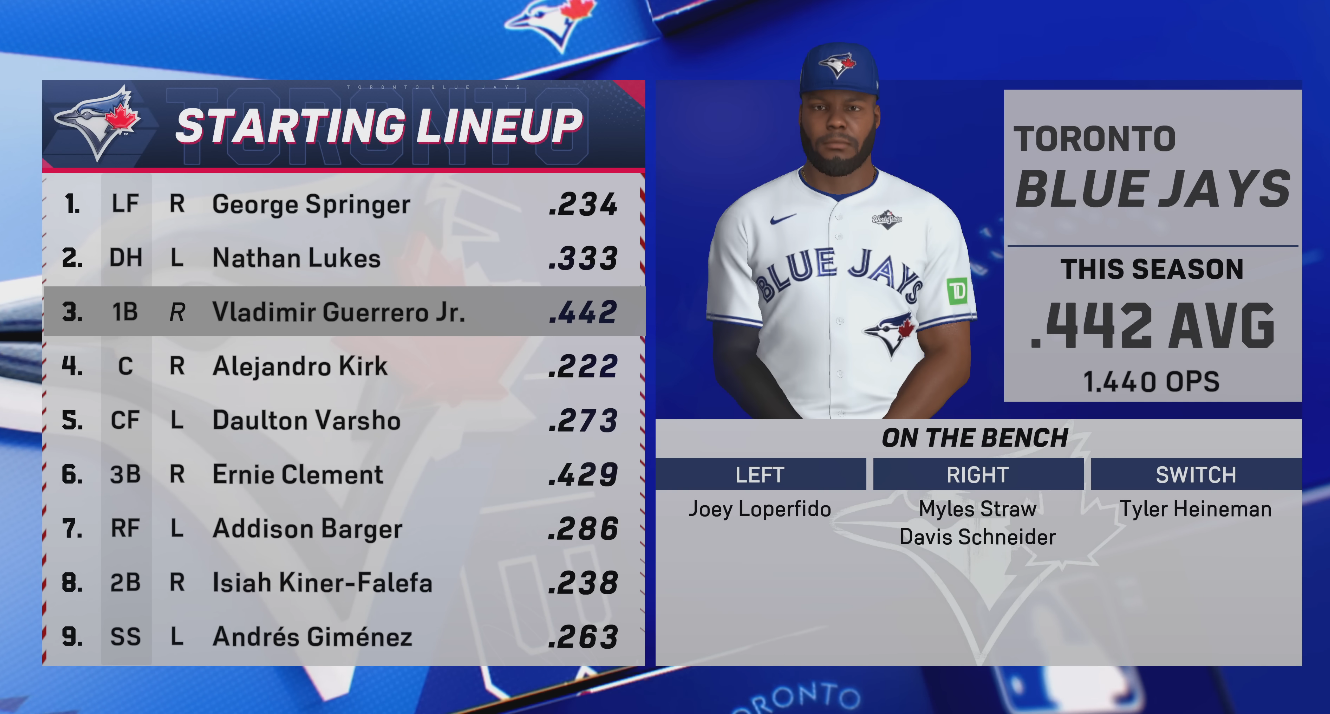
If you’re starting out in MLB The Show 26, the Road to The Show (RTTS) mode can feel overwhelming. There are so many ways to build your player, and figuring out what works in practice often makes the difference between having fun and struggling for months. I’ve played through several RTTS careers and watched what most players do, so here’s a detailed guide on the best builds based on real gameplay.
What Position Should I Choose?
Most new players think the position doesn’t matter too much, but in practice, it has a big effect on how you develop.
-
Pitchers: If you like controlling the pace and strategy, pitching can be rewarding. Starting pitchers usually focus on stamina, velocity, and command. Relief pitchers need less stamina but higher velocity and control. In general, most players prefer starting pitchers for long-term growth because it’s easier to rack up stats that help progression.
-
Catchers: Usually slower and less agile at first, but catchers give you a lot of opportunities to improve hitting and fielding stats simultaneously. Many players find catchers hard at the beginning, but very rewarding once you get used to framing pitches and throwing out runners.
-
Infielders: Shortstops and second basemen are popular because they rely on speed and fielding, which are easier to improve early. First basemen and third basemen rely more on power hitting, so most players choose them if they enjoy offense over defense.
-
Outfielders: Usually the best choice for players who like hitting and running. Center fielders benefit from speed, while left and right fielders are easier to level because catching animations are simpler.
What Should My Player’s Attributes Be?
How you assign attribute points is critical. Most players make the mistake of spreading points too thin. In general, you should focus on one or two primary strengths and let the secondary stats improve naturally.
-
Hitters: Focus on contact and power first. Contact helps you get on base more consistently, and power makes you a threat for extra-base hits. Speed is usually a secondary focus, because it’s harder to immediately influence base running stats early in the game.
-
Pitchers: For pitchers, velocity is the most important for strikeouts, but control is just as important for avoiding walks. Stamina matters if you want to start games consistently, but relief pitchers usually ignore it. Pitch variety is secondary—most players add new pitches gradually after building one or two reliable ones.
-
Fielding: Most players don’t max fielding early because it naturally improves as you play. Reaction time and arm strength can help, but you don’t need perfect fielding to have a good RTTS experience.
How Should I Approach Training?
Training in RTTS is where most players see the biggest improvement, but it’s also where mistakes happen.
-
Don’t overtrain: Doing every training session every day can actually hurt morale. In general, focus on training your main stats after games, and occasionally work on secondary skills.
-
Game experience matters: The stats you improve by playing in games are usually more valuable than training points alone. For example, hitting in clutch situations or pitching in tight games gives better progression than just hitting in batting practice.
-
Balanced approach: Most successful players train 1–2 key attributes per week and rely on game performance for the rest. This keeps morale high and prevents fatigue.
What’s the Best Batting Style?
In practice, most players find Zone Hitting easier when starting out, because it gives more control over contact. PCI (Plate Coverage Indicator) can be harder to master, but it’s more effective once you know pitch tendencies.
-
Timing vs. power: Focus on timing early. Power comes naturally as your player levels up. Trying to swing for home runs all the time usually lowers your contact and reduces progression.
-
Adjusting to pitchers: Most players improve faster by watching pitcher patterns and adjusting their PCI zone accordingly, instead of changing the batting style.
How to Progress Quickly in Road to The Show
There’s no magic trick, but there are a few habits most experienced players follow:
-
Play every game consistently: Missing games slows your stats and reduces morale.
-
Focus on your main attributes: Don’t waste points trying to be perfect at everything.
-
Watch trends: If you see a pitch sequence repeating, anticipate it in future games—this improves both hitting and pitching naturally.
-
Use stubs smartly: While you can earn stubs in-game, some players choose to buy MLB The Show 26 stubs ps5 to unlock training points or gear faster. If you decide to do this, use them to improve core stats rather than cosmetic items.
Should I Specialize Early or Be Balanced?
Most players benefit from specializing first. Pick a primary skill (power hitting, contact, velocity, or control) and max it out before improving secondary stats. Balanced players often struggle to excel because leveling everything evenly slows progression.
Once your primary stats are high, you can diversify—most players start adding fielding, speed, or secondary pitches after they reach a solid baseline.
How Do Other Players Handle Morale and Fatigue?
Morale and fatigue are more important than most new players realize. If morale drops too low, your training efficiency and game performance suffer. In general:
-
Rotate training with rest days if fatigue is high.
-
Play games regularly, but don’t overuse intense training sessions before big games.
-
Most players ignore minor dips in morale early on, but large drops can slow progression significantly.
The best RTTS builds in MLB The Show 26 are usually simple:
-
Pick one position that fits your playstyle.
-
Focus on one or two primary attributes.
-
Train consistently but don’t overdo it.
-
Use games to build experience rather than relying solely on training.
-
Track progress and adjust slowly rather than trying to max everything at once.
Following these principles, most players find their Road to The Show experience much smoother, and their player reaches star-level faster without frustration.

 English
 Arabic
 French
 Spanish
 Portuguese
 Deutsch
 Turkish
 Dutch
 Russian
 Romaian
 Portuguese (Brazil)
 Greek