

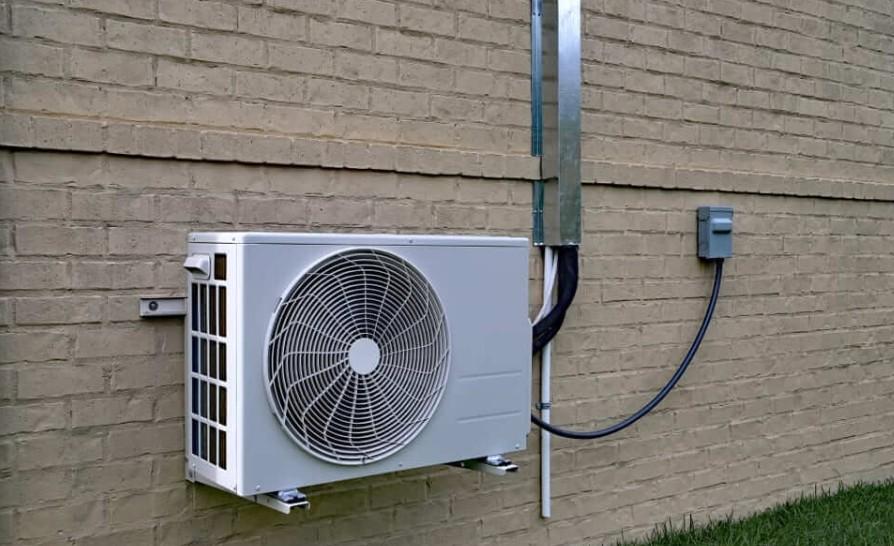
The HVAC industry is rapidly evolving as environmental regulations push manufacturers and installers toward more energy-efficient and lower-impact refrigerants. One of the most discussed options today is R-32, which is increasingly used in residential air conditioning systems. While it offers clear performance and environmental advantages, its mild flammability rating raises understandable safety questions for homeowners and technicians alike. Understanding how this flammability classification affects installation practices is essential for safe residential use. This topic is especially relevant for those building technical expertise through Heating Ventilation Air Conditioning training, where modern refrigerant handling is now a core competency.
Understanding the Flammability Classification of R-32
R-32 is classified as an A2L refrigerant under ISO and ASHRAE standards. The “A” indicates low toxicity, while “2L” refers to lower flammability with a slow burning velocity. This classification places R-32 between non-flammable refrigerants like R-410A and highly flammable options such as hydrocarbons. In practical terms, R-32 does not ignite easily and requires specific conditions to burn, including sufficient concentration and an ignition source. However, its classification still demands respect and compliance with updated safety standards. Residential installers must understand what A2L means in real-world environments, not just in laboratory settings, to ensure installations meet modern safety expectations.
Why R-32 Is Being Adopted in Residential Systems
Despite concerns around flammability, R-32 is gaining widespread acceptance due to its strong performance profile. It has a significantly lower Global Warming Potential (GWP) than older refrigerants, making it more environmentally responsible. R-32 also offers better heat transfer efficiency, which can improve system performance and reduce energy consumption. These advantages make it attractive for manufacturers designing next-generation residential systems. However, the move toward R-32 requires updated installation methods and safety awareness. Professionals trained in Heating Ventilation Air Conditioning systems are increasingly expected to understand both the environmental benefits and the safety implications that come with this transition.
Impact of Flammability on Residential Installation Design
The mild flammability of R-32 directly influences how residential HVAC systems are designed and installed. Manufacturers often limit refrigerant charge sizes and incorporate additional safety features such as leak detection and improved airflow management. Installers must ensure adequate room volume, proper ventilation, and compliance with local building codes. Pipe routing, joint integrity, and pressure testing become even more critical to prevent leaks. While these measures may seem technical, they significantly reduce risk. This is why modern Heating Ventilation Air Conditioning education emphasizes system design awareness alongside hands-on installation skills, ensuring technicians understand the reasoning behind updated standards.
Safety Procedures During Installation and Servicing
Installation safety is where R-32's flammability rating has the most practical impact. Technicians must use spark-free tools, avoid open flames, and ensure the work area is well ventilated. Recovery, evacuation, and charging procedures must follow manufacturer and regulatory guidelines precisely. Even routine servicing requires awareness of potential ignition sources, such as electrical components or static discharge. These practices are not optional; they are essential for protecting both technicians and occupants. Comprehensive Heating Ventilation Air Conditioning training equips professionals with the procedural discipline needed to handle A2L refrigerants confidently while maintaining a high safety margin in residential environments.
What Homeowners Should Know About R-32 Safety
For homeowners, the idea of a flammable refrigerant can sound alarming, but real-world risk is very low when systems are properly installed and maintained. R-32 is used safely in millions of homes worldwide under strict standards. The key factor is professional installation by qualified technicians who understand current codes. Homeowners should avoid DIY repairs, ensure regular servicing, and never modify HVAC components themselves. Awareness builds trust, and when homeowners understand that safety is built into system design and installation, concerns often ease. This highlights the value of skilled professionals trained in Heating Ventilation Air Conditioning systems that use modern refrigerants responsibly.
Regulatory Standards and Training Requirements
As R-32 adoption increases, regulatory bodies have updated codes and standards to address A2L refrigerants. These include guidelines on charge limits, ventilation requirements, labeling, and technician certification. Compliance is not just a legal obligation but a critical safety measure. Training programs now integrate these regulations into their curricula, ensuring technicians are prepared for real-world applications. A strong foundation in Heating Ventilation Air Conditioning principles allows professionals to adapt to evolving refrigerant technologies without compromising safety. Ongoing education is becoming just as important as initial certification in this rapidly changing field.
Conclusion
The flammability rating of R-32 refrigerant plays a significant role in shaping residential HVAC installation practices, but it does not make systems inherently unsafe. When handled correctly, R-32 offers a balanced combination of efficiency, environmental responsibility, and manageable risk. The key lies in proper system design, strict adherence to safety procedures, and informed professional training. As the industry continues to move toward A2L refrigerants, expertise in Heating Ventilation Air Conditioning becomes increasingly valuable. With the right knowledge and standards in place, R-32 can be used safely and effectively in modern residential homes.

 English
 Arabic
 French
 Spanish
 Portuguese
 Deutsch
 Turkish
 Dutch
 Russian
 Romaian
 Portuguese (Brazil)
 Greek