

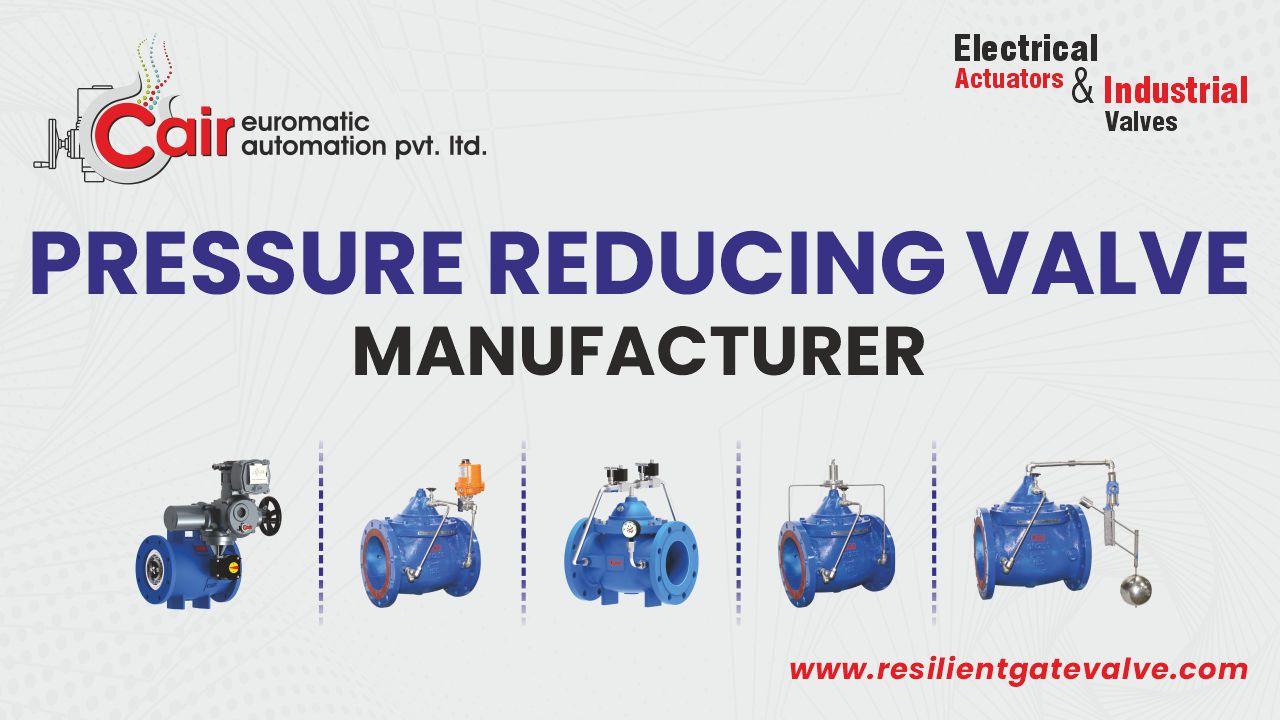
In water supply networks and industrial pipelines, controlling pressure is just as important as controlling flow. Excess pressure can damage pipes, valves, and equipment, while low pressure can affect system performance. This is where a Pressure Reducing Valve (PRV) plays a vital role.
A pressure reducing valve ensures that downstream pressure remains stable and safe, regardless of fluctuations in upstream pressure. From municipal water systems to industrial processing plants, PRVs are trusted components for protecting pipelines and maintaining efficient operation.
This guide explains how pressure reducing valves work, where they are used, and why industries rely on them for long-term system safety and performance.
What Is a Pressure Reducing Valve?
A pressure reducing valve is an automatic control valve designed to lower high inlet pressure to a constant, safe outlet pressure. Once set, the valve maintains downstream pressure even if inlet pressure changes or flow demand varies.
Unlike manual valves that require operator intervention, PRVs work automatically. They respond instantly to pressure changes, helping prevent pipe bursts, leaks, and unnecessary wear on system components.
In many pipeline systems, PRVs operate alongside flow control valves such as awwa butterfly valve , Double Flanged Butterfly Valve , and wafer type butterfly valve to create a balanced and reliable network.
How Does a Pressure Reducing Valve Work?
The working principle of a pressure reducing valve is simple yet effective.
Inside the valve, a spring-loaded diaphragm or piston senses downstream pressure. When downstream pressure rises above the set limit, the valve partially closes to restrict flow. When pressure drops, the valve opens slightly to allow more flow.
This continuous adjustment ensures:
-
Stable outlet pressure
-
Smooth flow regulation
-
Protection against pressure surges
Because of this self-regulating mechanism, PRVs are ideal for water distribution systems and industrial pipelines where pressure conditions change frequently.
Why Pressure Control Is Critical in Pipelines
High pressure may seem beneficial, but it often creates more problems than advantages. Uncontrolled pressure can lead to:
-
Pipe joint failures
-
Increased leakage
-
Damage to valves and fittings
-
Higher maintenance costs
-
Reduced equipment lifespan
Pressure reducing valves help avoid these issues by maintaining pressure within safe operating limits. When used together with flow control solutions like motorized butterfly valve and motorized double flange butterfly valve , the system becomes more efficient and safer to operate.
Applications of Pressure Reducing Valves
Pressure reducing valves are widely used across different sectors due to their versatility and reliability.
Water Supply Systems
In municipal water networks, PRVs ensure consistent pressure across residential, commercial, and industrial zones. They prevent over-pressurization at lower elevations and reduce water loss.
Industrial Pipelines
Industries such as chemical processing, power plants, and manufacturing rely on PRVs to protect sensitive equipment from pressure fluctuations.
Irrigation Networks
In irrigation systems, controlled pressure helps maintain uniform water distribution and protects pipelines from damage.
Infrastructure Projects
Large infrastructure developments use PRVs along with valves like Open Channel Sluice Valve to manage both open-flow and pressurized systems efficiently.
Benefits of Using a Pressure Reducing Valve
Installing a pressure reducing valve offers multiple long-term advantages:
-
Pipeline Protection – Prevents damage caused by high pressure
-
Reduced Leakage – Lower pressure minimizes water loss
-
Energy Savings – Less pressure means lower pumping costs
-
Improved Equipment Life – Valves, fittings, and meters last longer
-
Stable Flow Conditions – Ensures consistent system performance
These benefits make PRVs a smart investment for both water authorities and industrial operators.
Integration with Butterfly Valves
Pressure reducing valves are often used in combination with butterfly valves to achieve precise control over flow and pressure.
-
awwa butterfly valve is commonly used in municipal water systems for its durability and compliance with water standards.
-
Double Flanged Butterfly Valve provides strong end connections for large-diameter pipelines.
-
wafer type butterfly valve is preferred where space and weight are concerns.
-
motorized butterfly valve allows automated flow control in modern systems.
When paired with a PRV, these valves help create a fully controlled and efficient pipeline network.
Manual vs Motorized Control in PRV Systems
Modern water and industrial systems increasingly use automation for better accuracy and safety.
Motorized valves, such as motorized double flange butterfly valve , enable remote operation and integration with control panels or SCADA systems. They are ideal for applications where frequent adjustments or monitoring is required.
Manual valves, on the other hand, are simple, cost-effective, and reliable for systems with stable operating conditions. Both options can work efficiently with pressure reducing valves, depending on project requirements.
Choosing the Right Pressure Reducing Valve
Selecting the right PRV depends on several factors:
-
Inlet and outlet pressure range
-
Flow rate requirements
-
Pipeline size
-
Type of fluid (water, chemicals, etc.)
-
Operating temperature
-
Manual or automatic control preference
Proper selection ensures optimal performance and reduces maintenance issues over time. Consulting an experienced manufacturer helps avoid costly mistakes.
Why Industries Trust Cair
At Cair , we understand that real-world operating conditions demand reliable and durable valve solutions. Our pressure reducing valves are designed for consistent performance in water supply and industrial applications.
We focus on:
-
High-quality materials
-
Precision engineering
-
Long service life
-
Easy installation and maintenance
Our valves are used across water supply projects, industrial plants, and infrastructure developments, delivering dependable pressure control where it matters most.
Maintenance and Long-Term Performance
Pressure reducing valves are low-maintenance devices when properly installed. Periodic inspection of internal components and pressure settings helps maintain accuracy and performance.
Using quality upstream and downstream valves, including butterfly valves and sluice valves, further enhances system reliability and reduces downtime.
Conclusion
A pressure reducing valve is a critical component in any water or industrial pipeline system. By maintaining safe and stable pressure, it protects pipelines, improves efficiency, and reduces operating costs.
Whether used in municipal water supply, industrial processing, or infrastructure projects, PRVs deliver long-term value and peace of mind. When combined with reliable flow control valves such as butterfly valves and sluice valves, they form the backbone of a safe and efficient pipeline network.
If you are planning a new project or upgrading an existing system, choosing the right pressure reducing valve can make a significant difference in performance and durability.

 English
 Arabic
 French
 Spanish
 Portuguese
 Deutsch
 Turkish
 Dutch
 Russian
 Romaian
 Portuguese (Brazil)
 Greek