

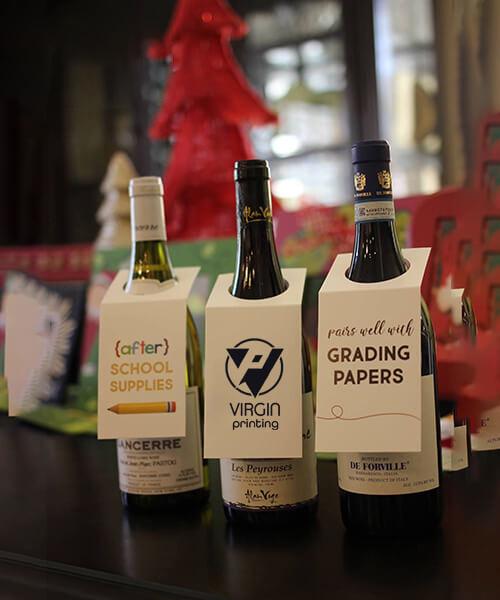
Beverage branding helps people recognize a drink without confusion. When a bottle appears on a shelf, choice happens quickly. Name, label, and shape guide that choice. Branding gives product identity that stays in memory. When the same design appears again, recognition feels natural. Branding also builds familiarity. Familiar products feel safer to buyers. When branding remains consistent, people feel comfortable choosing the same drink again. This comfort supports steady sales without heavy promotion. Many beverage businesses fail because branding changes too often. Changing appearance breaks memory. Stable branding allows promotion to work quietly over time.
How do daily habits influence beverage buying decisions?
Daily habits guide beverage choices more than ads. People buy drinks based on routine. Morning, work hours, travel time, and evening moments all affect selection. Beverage promotion works best when the product fits those moments. Buyers also read labels before purchase. Ingredient details, usage, and purpose matter. Clear information helps people feel informed. Feeling informed builds trust and reduces hesitation. One person bought the same drink every day after work. Bottle design changed once, product was missed, and another brand replaced purchase. Habits control behavior more than messaging.
Why does packaging shape beverage recognition?
Packaging creates a first impression. Before taste, the bottle sends a message through size, label, and closure. That message stays in memory after the drink is finished. Bottle shape often stays remembered longer than brand name. When the same shape appears later, recognition follows naturally. Packaging supports recall without words. One beverage company kept the same packaging for many years. Without strong advertising, people still recognized the product. Packaging alone supported visibility.
How does storytelling support beverage brand connection?
Storytelling allows people to connect with beverage brands. When a brand shares the reason behind creation, connection forms. The story makes the drink feel human, not manufactured. The small beverage business began with shared ideas among friends. The story appeared online and on packaging. People related to journeys and followed progress. Support grew naturally. Stories work best when honest. Simple truth builds trust. Trust supports promotion without pressure or force.
How does social media increase beverage awareness?
Social media keeps beverage brands visible during daily scrolling. Repeated exposure helps brands stay remembered without direct selling. Images showing real use feel relatable. Short videos showing the preparation or filling process help people understand the product better. One beverage brand shared a short video showing the bottling process. Viewers responded with interest. Transparency helped connection form naturally.
Why does trust remain central to beverage promotion?
Trust determines repeat buying. When people trust beverages, choice feels easy. Feeling safe guides purchase decisions. Trust forms through clarity and consistency. Clear labels explain contents. The same taste over time builds confidence. One brand changed ingredients without notice. Customers noticed the difference and stopped buying. Trust takes time to build and little time to lose.
How do tasting events and sampling help beverage brands?
Sampling allows people to experience beverages directly. Taste creates memory faster than description. Positive experience increases the chance of future purchase. At a community event, a beverage company offered samples. People asked questions and interacted with the team. That interaction made the brand feel open and real. Sampling also provides feedback. Brands learn what works and what needs change. Learning improves future promotion.
Why does visual identity matter for beverage recognition?
Visual identity supports recognition across locations. Same colors, fonts, and symbols activate memory. One brand changed its logo several times. Customers failed to recognize the product, and sales dropped. Consistency supports recognition. Visual identity does not need complexity. Simple design allows faster understanding and easier recall.
How does packaging design support beverage promotion?
Packaging design guides attention and understanding. Label order shows important information first. Bottle form affects handling. Some brands use custom printing to share added information without changing the main label structure. When used once with purpose, communication improves. Packaging design works best when aligned with brand message. Alignment allows faster understanding.
What packaging elements influence purchase behavior?
Small packaging elements influence buying behavior. Sealed caps signal safety. Clear labels signal honesty. These signals reduce doubt. Neck tags allow messaging without redesigning labels. Businesses seeking such packaging solutions may consider custom printed bottle neckers from UPacked, which focuses on beverage packaging needs. Packaging details influence memory when value is added.
How can beverage startups promote products with limited funds?
Startups often operate with limited budgets. Simple actions still create impact. Sharing a journey online costs little and builds connections. One startup shared daily work through photos and updates. People followed progress and supported growth. Promotion relied on consistency rather than ads. Word sharing remains powerful. When people enjoy a beverage, conversations follow. This happens across markets, including the USA, where recommendations matter.
Which promotion methods support long-term beverage growth?
Long-term growth depends on steady action. Brands that remain focused grow over time. Frequent changes cause confusion. One beverage brand kept the same message for many years. Customers understood the purpose and stayed loyal. Promotion works best when actions match brand values. Honesty and patience allow growth to happen naturally.

 English
 Arabic
 French
 Spanish
 Portuguese
 Deutsch
 Turkish
 Dutch
 Russian
 Romaian
 Portuguese (Brazil)
 Greek