

Study Dentistry in Romania: Complete Guide for International Students is a popular topic among students seeking high-quality European education at an affordable cost. Romania has become a preferred destination for dentistry due to its internationally recognized degrees, English-taught programs, modern universities, and strong clinical training. With a growing number of international students each year, Romania offers an excellent balance of education quality, cultural experience, and career opportunities.
Why Choose Romania to Study Dentistry?
Romania is part of the European Union, which means its medical and dental degrees follow EU educational standards. Graduates can work across many European countries and beyond, subject to local licensing requirements. Romanian dental universities are known for their strong academic foundations, hands-on training, and experienced faculty members.
Another major advantage is affordability. Compared to countries like the UK, USA, or Australia, Romania offers significantly lower tuition fees and living costs, making it accessible to students from diverse backgrounds.
Dentistry Programs Taught in English
One of the biggest attractions for international students is the availability of dentistry programs taught entirely in English. These programs are designed specifically for foreign students and follow the same curriculum as Romanian-language courses.
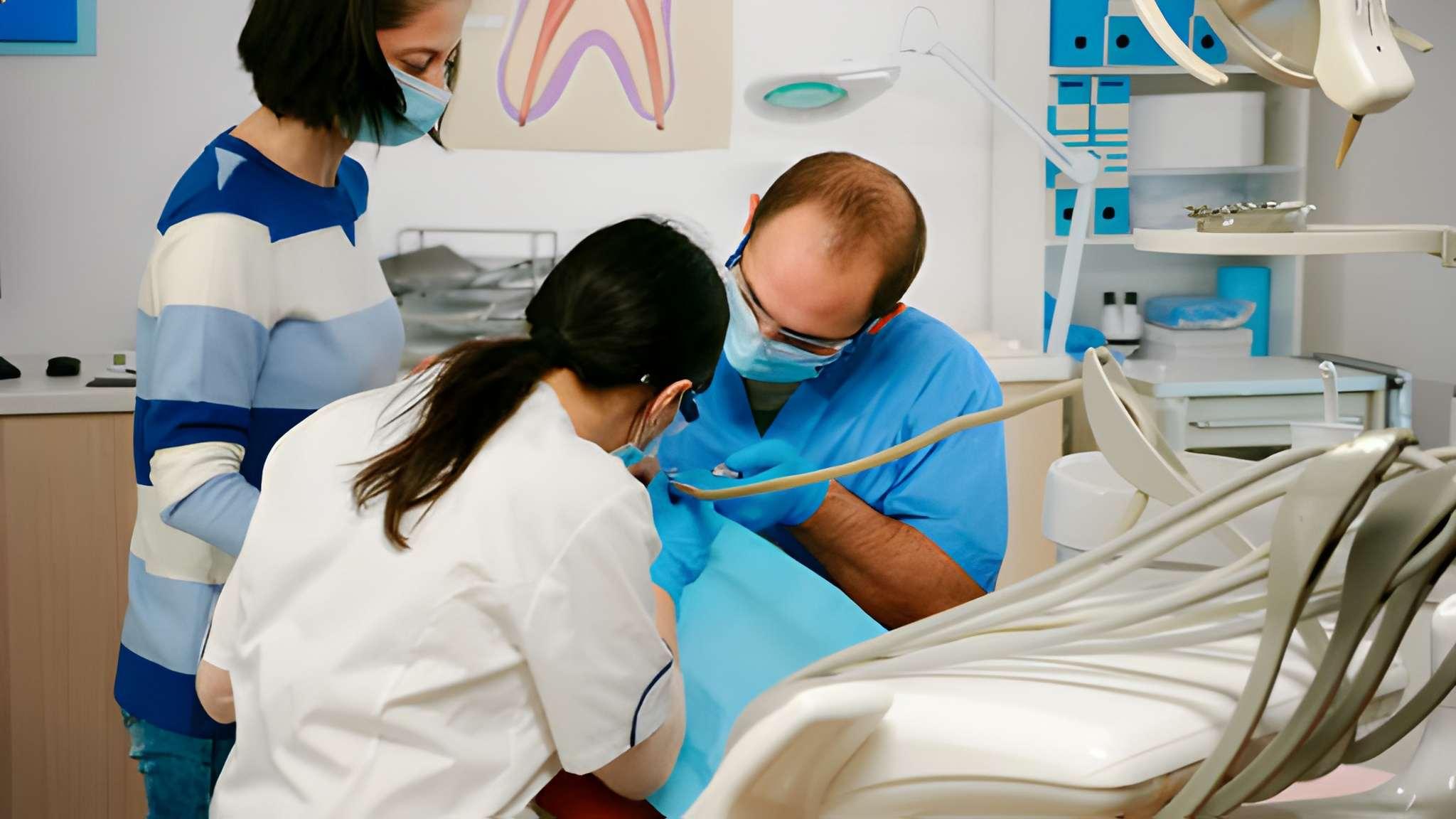
English-taught dentistry programs typically last 6 years, including both theoretical studies and extensive clinical practice. Students gain hands-on experience treating real patients under professional supervision, which builds confidence and practical skills.
Top Universities to Study Dentistry in Romania
Romania is home to several reputable medical universities offering dentistry programs:
-
Carol Davila University of Medicine and Pharmacy (Bucharest)
-
Iuliu Hațieganu University of Medicine and Pharmacy (Cluj-Napoca)
-
Victor Babeș University of Medicine and Pharmacy (Timișoara)
-
Grigore T. Popa University of Medicine and Pharmacy (Iași)
-
University of Medicine and Pharmacy of Craiova
These universities are recognized internationally and attract students from Europe, Asia, Africa, and the Middle East.
Admission Requirements for International Students
Admission to dentistry programs in Romania is relatively straightforward. Most universities do not require entrance exams for international students. Instead, admission is based on academic performance.
Typical requirements include:
-
High school diploma with Biology and Chemistry
-
Academic transcripts
-
Proof of English proficiency (if applicable)
-
Passport copy
-
Medical certificate
-
Application form and personal documents
Each university may have slightly different criteria, so it’s important to check specific requirements before applying.
Tuition Fees and Cost of Living
Tuition fees for dentistry programs in Romania usually range from €5,000 to €8,500 per year, depending on the university. This is considerably lower than many Western countries.
Living costs are also affordable. On average, students spend €400–€700 per month, covering accommodation, food, transport, and personal expenses. Cities like Cluj-Napoca, Iași, and Timișoara are student-friendly and offer a good quality of life.
Clinical Training and Practical Experience
Clinical training is a core part of dentistry education in Romania. From the third or fourth year onward, students begin treating patients in university clinics. This early exposure helps students develop real-world skills in diagnosis, treatment planning, and patient communication.
Romanian universities emphasize practical competence, ensuring graduates are well-prepared for professional practice or further specialization.
Career Opportunities After Graduation
A dentistry degree from Romania opens doors to various career paths. Graduates can:
-
Practice dentistry in the EU (subject to licensing)
-
Return to their home country for registration
-
Pursue postgraduate specialization
-
Continue academic or research careers
Many graduates successfully work in the UK, Ireland, Germany, the Middle East, and other regions after completing necessary equivalency exams.
Student Life in Romania
Romania offers a rich cultural experience with historic cities, vibrant student communities, and a welcoming environment. International students enjoy diverse cuisines, affordable travel across Europe, and a safe lifestyle.
Universities also provide student support services, including accommodation assistance, language courses, and international student offices.
Advantages and Challenges
Advantages
-
English-taught programs
-
Affordable tuition and living costs
-
EU-recognized degrees
-
Strong clinical training
-
Multicultural student environment
Challenges
-
Language barrier outside university settings
-
Cold winters in some regions
-
Licensing requirements in certain countries
With proper preparation, these challenges are manageable.
Studying Dentistry in Spain: Final Perspective
Studying dentistry in Spain is another popular option for international students, but Romania often stands out due to lower costs and simpler admission processes. For students seeking quality education, strong clinical exposure, and international recognition without excessive financial burden, Romania remains one of the best destinations to study dentistry in Europe.

 English
 Arabic
 French
 Spanish
 Portuguese
 Deutsch
 Turkish
 Dutch
 Russian
 Romaian
 Portuguese (Brazil)
 Greek