

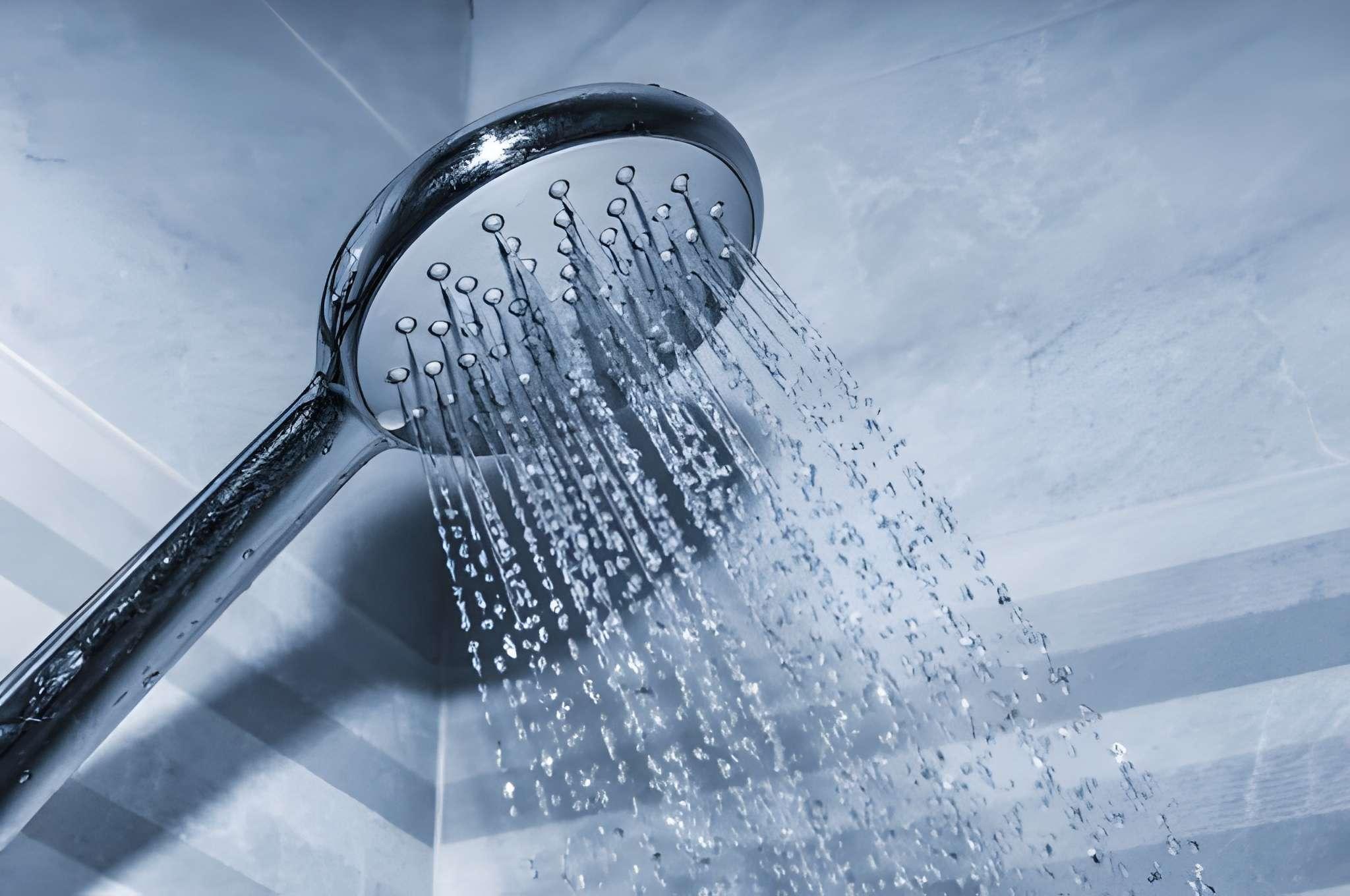
Shower Filters in the US are becoming increasingly popular as more households look for ways to improve water quality and protect their skin, hair, and overall health. Although municipal water in the US is treated to meet safety standards, it often contains chlorine, heavy metals, sediment, and hard water minerals. These substances can cause dry skin, dull hair, and limescale buildup in bathrooms. Installing and maintaining a shower filter is a simple yet effective solution that ensures cleaner water at the point of use.
Why Shower Filters Matter
Many regions in the US experience hard water, which contains high levels of calcium and magnesium. While not harmful to drink, hard water can negatively affect your daily shower experience. Chlorine, commonly used for disinfection, can strip natural oils from skin and hair, leading to dryness and irritation. Shower filters reduce these contaminants, making water gentler and more suitable for daily use.
Beyond personal care benefits, shower filters also help protect plumbing fixtures by reducing mineral buildup, improving water flow, and extending the life of showerheads.
Types of Shower Filters Available in the US
Before installation, it’s important to understand the different types of shower filters:
-
Inline Shower Filters: Installed between the shower arm and showerhead; compatible with most standard showers.
-
Filtered Showerheads: Combine filtration and spray functions into one unit for a sleek, all-in-one solution.
-
Handheld Shower Filters: Ideal for flexibility and targeted rinsing, often integrated into handheld showerheads.
Common filtration media include activated carbon for chlorine removal, KDF for heavy metals, and Vitamin C for neutralizing chlorine and chloramines.
How to Install a Shower Filter
Installing a shower filter is typically straightforward and does not require professional plumbing skills. Follow these basic steps:
-
Turn Off the Water Supply
Ensure the shower is off before starting installation to avoid leaks. -
Remove the Existing Showerhead
Unscrew the showerhead from the shower arm using your hands or a wrench if needed. -
Attach the Shower Filter
Screw the filter onto the shower arm. Use the included rubber washers to prevent leaks. -
Reattach the Showerhead
Connect the showerhead to the outlet of the filter and tighten securely. -
Check for Leaks
Turn the water on and ensure all connections are sealed properly.
Most shower filters fit standard US plumbing, making installation quick and hassle-free.
Maintaining Your Shower Filter
Proper maintenance is essential to keep your shower filter working efficiently. Over time, filter media becomes saturated with contaminants and must be replaced.
Filter Replacement Frequency
Most shower filters need replacement every 3 to 6 months, depending on water quality and usage. Households with hard water may require more frequent changes.
Signs Your Filter Needs Replacement
-
Reduced water pressure
-
Unusual odors
-
Return of dry skin or dull hair
-
Visible sediment buildup
Cleaning Tips
While most filters are not designed to be cleaned internally, regularly wiping the exterior and checking for leaks helps maintain performance. Always follow the manufacturer’s maintenance guidelines.
Common Installation and Maintenance Mistakes
-
Overtightening connections, which can damage threads
-
Ignoring replacement schedules, reducing filtration effectiveness
-
Using incompatible fittings, leading to leaks
-
Assuming all filters soften water completely, when many primarily reduce chlorine and metals
Understanding your water quality helps set realistic expectations for filter performance.
Long-Term Benefits of Proper Maintenance
Well-maintained shower filters provide consistent water quality, reduce the need for specialty shampoos and conditioners, and improve overall shower comfort. Over time, this leads to cost savings and a more environmentally friendly household by reducing chemical product usage.
Conclusion
Installing and maintaining a shower filter is one of the easiest ways to improve daily water quality at home. With proper care, a high-quality filter can significantly reduce chlorine, heavy metals, and sediment, protecting both your health and your bathroom fixtures. For homeowners seeking maximum performance and convenience, choosing the best shower head filter ensures a cleaner, softer, and more refreshing shower experience every day.

 English
 Arabic
 French
 Spanish
 Portuguese
 Deutsch
 Turkish
 Dutch
 Russian
 Romaian
 Portuguese (Brazil)
 Greek