

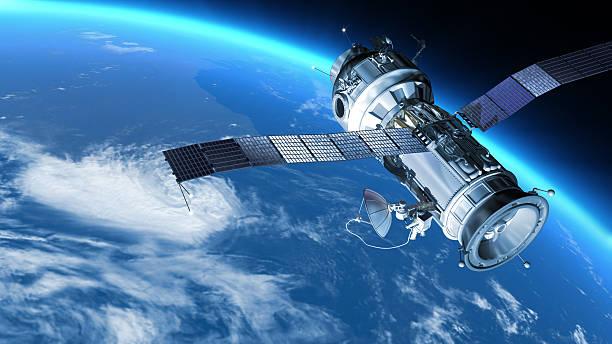
Space-based systems have become a foundational component of modern infrastructure, supporting communication, navigation, defense, and environmental monitoring. As demand for high-quality data and connectivity increases, the Space Technology Market continues to gain strategic importance across both public and private sectors. The industry’s structure reflects a mix of long-established aerospace organizations and agile new entrants that are reshaping competitive dynamics through innovation and cost efficiency.
The distribution of capabilities among market participants is influenced by technological expertise, capital availability, and government collaboration. Established players benefit from decades of research, proprietary systems, and long-term defense contracts. These advantages allow them to maintain strong positions in satellite manufacturing, launch services, and mission operations. However, smaller firms are gaining traction by focusing on niche services such as data analytics, miniaturized payloads, and specialized launch solutions.
Technological specialization has become a key differentiator. Companies that concentrate on specific segments, such as earth observation or satellite communications, are able to optimize performance and reduce development timelines. This focused approach supports diversification within the broader Space Technology Market, enabling multiple firms to coexist across varied application areas without direct overlap. As a result, competitive balance is increasingly shaped by innovation rather than scale alone.
Government procurement policies also play a significant role in shaping industry structure. Defense and civil space agencies often prioritize domestic suppliers, influencing regional competitive strength. Long-term contracts provide revenue stability and support continued research investments. At the same time, governments are encouraging private participation to reduce costs and accelerate deployment, which opens opportunities for emerging companies to secure meaningful positions within the ecosystem.
Regional dynamics reveal clear variations in competitive concentration. North America maintains a strong presence due to advanced infrastructure, high defense spending, and robust private investment. Europe follows closely with coordinated multinational programs and strong regulatory frameworks. Meanwhile, Asia-Pacific regions are rapidly expanding their capabilities through national initiatives and growing private-sector engagement. These developments are gradually redistributing Space Technology Market Share across global regions.
Commercialization has further altered competitive positioning. Demand for satellite-based internet, location services, and real-time monitoring has created new revenue streams beyond traditional government contracts. Companies that can scale services efficiently and integrate advanced analytics gain competitive advantages. Subscription-based data models and platform-driven services are becoming increasingly common, reinforcing recurring revenue potential.
Partnerships and mergers are another defining factor. Strategic alliances between launch providers, satellite manufacturers, and data service companies allow participants to offer end-to-end solutions. These collaborations strengthen market positions while reducing operational risk. Mergers and acquisitions also enable rapid expansion of technical capabilities and geographic reach.
Looking forward, competition within the space sector is expected to intensify as technological barriers continue to decline. Firms that invest in automation, reusable systems, and data intelligence are likely to strengthen their standing. The evolving distribution of influence reflects a dynamic environment where adaptability and innovation are central to maintaining relevance in an increasingly interconnected global industry.
Browse More Report:
Business Aircraft Market
Military Training Aircraft Market
Border Surveillance Market
Electric Drone Market
Aircraft Engine Fuel Systems Market

 English
 Arabic
 French
 Spanish
 Portuguese
 Deutsch
 Turkish
 Dutch
 Russian
 Romaian
 Portuguese (Brazil)
 Greek