

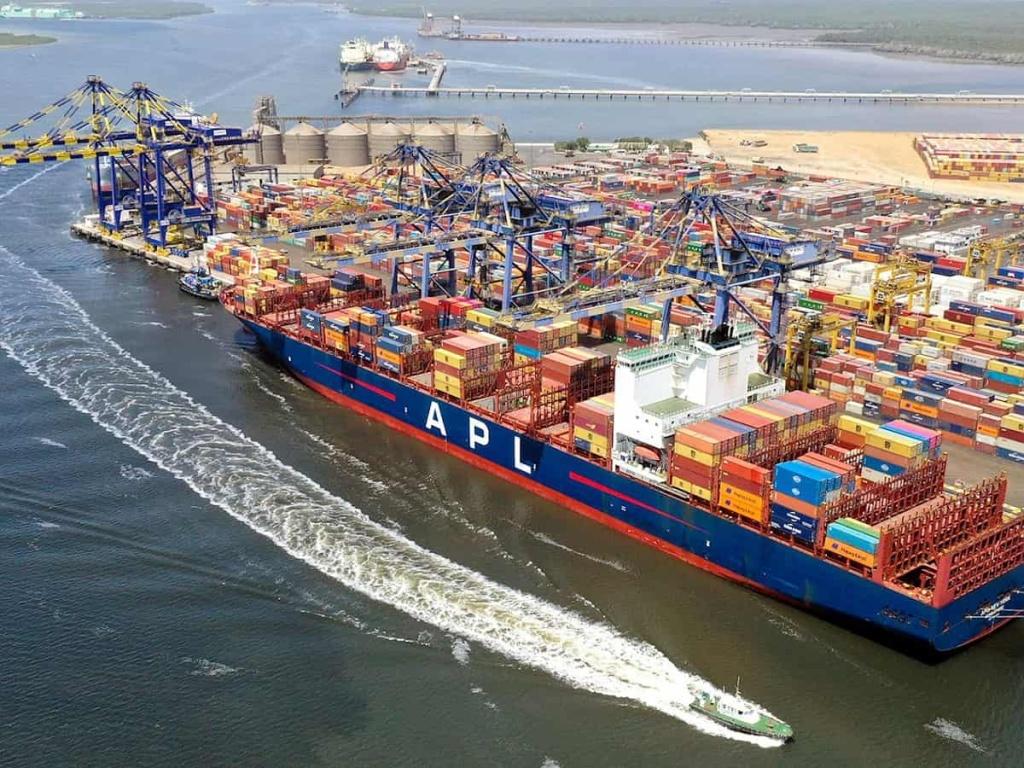
Understanding Air Cargo Shipping from China to Pakistan
Air cargo shipping from China to Pakistan has become an essential logistics solution for businesses that require speed, security, and efficiency. As China continues to dominate global manufacturing and Pakistan strengthens its role as a regional trade hub, air freight connects supply chains and supports fast-paced international commerce. Understanding how this shipping method works helps importers and exporters choose the right logistics strategy for their business needs.
Why Air Cargo Matters in China–Pakistan Trade
China is one of Pakistan’s largest sources of imports, supplying everything from industrial machinery and electronics to consumer goods and medical equipment. Many of these products are critical for ongoing production, retail supply, and infrastructure development in Pakistan.
Air cargo plays a key role by drastically reducing delivery time. Instead of waiting weeks for sea shipments, businesses can receive goods within days, allowing them to meet urgent demand, maintain operations, and remain competitive in dynamic markets.
What Air Cargo Shipping Means
Air cargo shipping refers to transporting goods by aircraft using either dedicated cargo planes or the cargo hold of passenger aircraft. In the China–Pakistan trade route, air cargo services manage the complete logistics process, including cargo pickup, packaging, airline booking, export clearance, air transportation, import clearance, and delivery.
This end-to-end management ensures that shipments move smoothly through international borders while meeting all regulatory requirements.
Major Air Cargo Hubs in China and Pakistan
Air cargo from China to Pakistan originates from several major international airports. Cities such as Shanghai, Guangzhou, Shenzhen, Beijing, and Hong Kong serve as primary cargo hubs due to their strong connectivity and advanced logistics infrastructure.
In Pakistan, Karachi, Lahore, and Islamabad handle the majority of air cargo imports. These airports are equipped with modern cargo terminals, customs facilities, and warehousing services, enabling faster clearance and distribution across the country.
Common Goods Shipped by Air
Air cargo shipping is ideal for goods that require fast delivery or special handling. Typical air cargo shipments from China to Pakistan include:
-
Electronics and electrical components
-
Medical equipment and pharmaceuticals
-
Machinery parts and industrial tools
-
Fashion garments and accessories
-
Perishable and temperature-sensitive products
High-value and fragile goods benefit from the controlled handling and shorter transit times offered by air freight.
How the Air Cargo Shipping Process Works
The air cargo shipping process begins with shipment planning and booking. The logistics provider evaluates the cargo’s weight, dimensions, and urgency to determine the most suitable flight and service level.
After pickup from the supplier, the cargo is transported to the departure airport in China. Export customs clearance is completed before the goods are loaded onto the aircraft. Once the shipment arrives in Pakistan, import customs clearance takes place, followed by final delivery to the consignee.
Each stage is carefully coordinated to ensure timely and secure transportation.
Transit Time and Speed Advantages
One of the biggest advantages of air cargo shipping from China to Pakistan is speed. Most shipments arrive within 1 to 5 days, depending on the origin city and airline schedule.
This rapid transit allows businesses to respond quickly to market changes, avoid stock shortages, and reduce lead times. Compared to sea freight, which can take several weeks, air cargo provides a significant competitive advantage.
Customs Clearance and Documentation Requirements
Customs clearance is a critical part of air cargo shipping. Required documents usually include a commercial invoice, packing list, air waybill, and import or export declarations. Certain products may also require permits, certificates, or inspection reports.
Professional air cargo service providers help ensure documentation accuracy and regulatory compliance. Proper handling of customs procedures reduces the risk of delays, fines, or cargo holds.
Cost Considerations in Air Cargo Shipping
Air cargo is generally more expensive than sea freight due to higher operational costs. Charges are calculated based on chargeable weight, which considers both actual weight and volumetric weight.
Despite higher rates, many businesses choose air freight because of its reliability, reduced risk, and faster delivery. For urgent or high-value goods, the benefits often justify the cost.
Advantages Over Other Shipping Methods
Air cargo shipping offers several advantages compared to other transport modes:
-
Fastest international shipping option
-
Higher security and reduced handling
-
Reliable schedules with frequent flights
-
Ideal for urgent, fragile, or valuable cargo
-
Supports just-in-time inventory management
These benefits make air freight a strategic choice for many importers and exporters.
Challenges and How They Are Managed
Challenges such as higher costs, limited capacity during peak seasons, and regulatory complexity can affect air cargo shipping. These issues are managed through advance planning, flexible routing, and partnership with experienced logistics providers.
Modern tracking systems and digital documentation also improve visibility and efficiency.
Conclusion
Understanding air cargo shipping from China to Pakistan allows businesses to make informed logistics decisions and optimize their supply chains. With its unmatched speed, high security, and reliable performance, air freight supports time-sensitive trade and strengthens commercial ties between the two countries. For businesses that value efficiency and market responsiveness, air cargo remains a powerful and dependable shipping solution.

 English
 Arabic
 French
 Spanish
 Portuguese
 Turkish
 Dutch
 Italiano
 Russian
 Romaian
 Portuguese (Brazil)
 Greek