

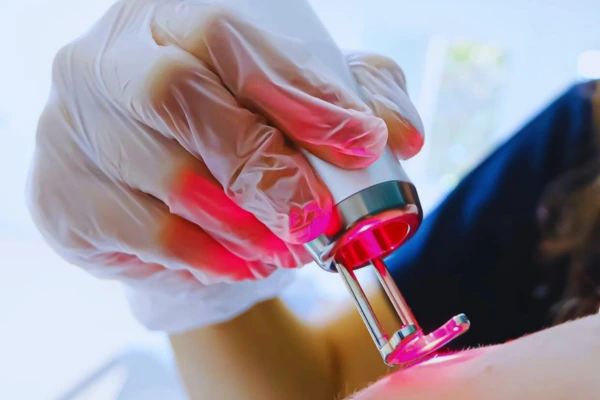
Sensitive skin requires special attention when it comes to cosmetic treatments, as it can easily react to harsh procedures, topical products, or environmental factors. For individuals seeking safe options for pigmentation, acne scars, or skin rejuvenation, Q-switch Laser has emerged as a widely recommended choice due to its precision and minimal invasiveness. Understanding how it works, its suitability for sensitive skin, and proper pre- and post-care measures is essential to ensure safe and effective results.
How Q-Switch Laser Works on Skin:
Q-switch lasers emit high-energy light pulses in nanoseconds, targeting pigment, tattoo ink, or damaged cells without causing widespread thermal injury. The ultra-fast pulses break pigment into small particles, which the body then naturally eliminates while leaving surrounding tissue largely unharmed. Key points include:
-
High precision targeting of pigment or scar tissue
-
Minimal thermal damage to surrounding skin
-
Stimulation of natural skin repair and collagen production
Why Sensitive Skin Needs Special Consideration:
Sensitive skin tends to react more strongly to treatments, with a higher risk of redness, irritation, and post-inflammatory pigmentation. Understanding these risks helps in planning safe Q-switch laser treatments. Considerations include:
-
Potential for temporary redness, swelling, or tingling
-
Risk of hyperpigmentation or hypopigmentation if settings are too aggressive
-
Importance of patch testing before full treatment
Advantages of Q-Switch Laser for Sensitive Skin:
Unlike aggressive resurfacing lasers or chemical peels, Q-switch laser offers a more controlled approach, making it suitable for sensitive skin types. Its advantages include:
-
Precise targeting without affecting surrounding tissue
-
Short, tolerable sessions with minimal discomfort
-
Gradual improvement in skin tone and pigmentation
-
Reduced risk of scarring compared to more invasive procedures
Types of Concerns Treated Safely:
Q-switch laser can safely address a variety of pigmentation and skin concerns, even for individuals with sensitive skin. Conditions commonly treated include:
-
Sunspots, freckles, and age spots
-
Post-inflammatory hyperpigmentation from acne or minor trauma
-
Tattoo removal
-
Mild melasma and uneven skin tone
Pre-Treatment Preparation:
Proper preparation can reduce the risk of adverse reactions for sensitive skin. Patients are often advised to follow specific steps before treatment to optimize results. Preparation tips include:
-
Avoiding sun exposure and tanning for several weeks prior
-
Discontinuing harsh or irritating topical products, such as retinoids
-
Consulting a professional to customize settings based on skin type
-
Performing a patch test if the skin is extremely reactive
What to Expect During a Session:
A typical Q-switch laser session is quick and precise, often requiring only a few minutes depending on the treatment area. Patients may feel mild sensations such as snapping, tingling, or warmth. Steps during a session include:
-
Cleansing the skin to remove oils or makeup
-
Applying protective eyewear for safety
-
Delivering controlled laser pulses to targeted areas
-
Using cooling devices or topical numbing cream to improve comfort
Immediate Skin Response:
After treatment, sensitive skin may display temporary reactions, which are generally mild and short-lived. These are signs that the laser is working effectively:
-
Redness or mild swelling that usually subsides within hours
-
Slight tingling or warmth in the treated area
-
Temporary darkening of pigmentation before fading
-
Minor sensitivity to touch in sensitive areas
Recovery Time and Downtime:
One of the advantages of Q-switch laser treatment is minimal downtime, even for sensitive skin. Proper post-care can help speed recovery and reduce the risk of complications. Recovery expectations include:
-
Redness and warmth resolving within 24–48 hours
-
Gradual fading of pigmentation over several days to weeks
-
Avoiding direct sunlight and using gentle skincare
-
Minimal interference with daily activities
Number of Sessions Needed:
The number of sessions required depends on the type and depth of pigmentation, as well as skin sensitivity. Multiple sessions often produce the best results while minimizing irritation. Typical guidelines include:
-
2–4 sessions for superficial pigmentation or freckles
-
4–6 sessions for deeper pigmentation or stubborn spots
-
Sessions spaced 4–6 weeks apart to allow skin healing and pigment clearance
Post-Treatment Care for Sensitive Skin:
Aftercare is crucial for protecting sensitive skin and ensuring effective results. Patients should follow professional guidance to avoid complications. Recommended post-care includes:
-
Applying broad-spectrum sunscreen daily
-
Using gentle, hydrating skincare products
-
Avoiding harsh exfoliants or chemical treatments for several days
-
Limiting friction or irritation over treated areas
Final Thoughts.
Q-switch laser treatment is generally safe and effective for individuals with sensitive skin when performed by a skilled professional. Its precision, minimal invasiveness, and adaptability make it suitable for treating pigmentation, acne scars, and other skin concerns while reducing the risk of irritation or damage. By following proper pre-treatment preparation, attending multiple sessions if needed, and adhering to post-care instructions, patients with sensitive skin can achieve noticeable, long-lasting improvements in tone, clarity, and overall skin health.

 English
 Arabic
 French
 Spanish
 Portuguese
 Deutsch
 Turkish
 Dutch
 Russian
 Romaian
 Portuguese (Brazil)
 Greek