

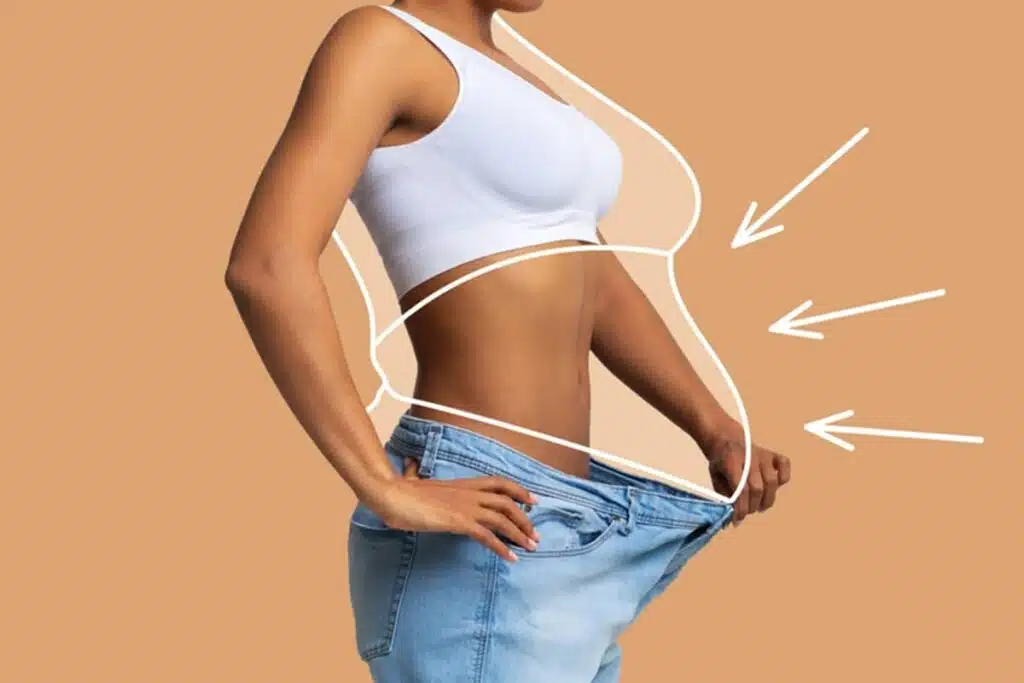
Liposuction is one of the most popular cosmetic procedures for body contouring, allowing patients to remove stubborn fat deposits and improve overall shape. For those considering Liposuction Surgery in Riyadh, a common question is how much fat can be safely removed in a single session. Understanding the limits, safety considerations, and factors affecting fat removal is crucial to achieving optimal results without compromising health.
Factors That Determine Safe Fat Removal:
The amount of fat that can be safely removed during liposuction depends on several variables; surgeons consider:
-
Overall health and medical history of the patient
-
Body weight and fat distribution
-
Skin elasticity and thickness
-
Age and metabolic health
-
Type of liposuction technique used (tumescent, VASER, laser-assisted, or power-assisted)
Evaluating these factors ensures that fat removal is both effective and safe, minimizing the risk of complications.
Standard Safety Guidelines:
Board-certified surgeons adhere to established guidelines to protect patient health; general recommendations include:
-
Removing no more than 5 liters (approximately 11 pounds) of fat per session for most patients
-
Limiting large-volume liposuction to specialized settings with appropriate anesthesia and monitoring
-
Considering multiple sessions for extensive fat removal to reduce strain on the body
-
Closely monitoring vital signs and fluid balance during surgery
Following these safety guidelines prevents excessive blood loss, fluid imbalance, and post-operative complications.
How Liposuction Techniques Affect Fat Removal:
Different liposuction techniques allow for varying levels of precision and efficiency, influencing the amount of fat removed safely:
-
Tumescent liposuction uses local anesthesia and a saline solution to reduce bleeding and allow controlled fat removal
-
VASER-assisted liposuction uses ultrasound energy to selectively break down fat, preserving connective tissue and enabling smoother results
-
Laser-assisted liposuction melts fat for easier removal and may promote mild skin tightening
-
Power-assisted liposuction allows rapid fat removal in larger areas while minimizing surgeon fatigue
Choosing the appropriate technique is essential for maximizing safety and achieving natural-looking contours.
Patient Health Considerations:
Patient health plays a critical role in determining safe fat removal; key considerations include:
-
Cardiovascular and respiratory health to tolerate anesthesia and fluid shifts
-
Liver and kidney function for proper processing of fluids and medications
-
History of blood clots or clotting disorders
-
Current medications that may affect bleeding or healing
A thorough pre-operative evaluation ensures that liposuction is tailored to the individual’s health profile.
Multiple Areas vs. Single-Area Liposuction:
Removing fat from multiple areas in a single session increases complexity and risk; surgeons often recommend:
-
Limiting treatment to two or three areas in one session for optimal safety
-
Staging additional procedures if larger volumes or multiple regions are involved
-
Prioritizing high-impact areas for aesthetic balance
-
Monitoring recovery closely between sessions to prevent complications
This approach balances patient safety with effective body contouring.
Recovery Implications:
The volume of fat removed can influence recovery time and post-operative care; considerations include:
-
Larger-volume liposuction may require longer recovery and more intensive monitoring
-
Swelling, bruising, and discomfort are proportional to the amount of fat removed
-
Compression garments are crucial to support tissue healing and reduce fluid accumulation
-
Adequate rest and gradual resumption of activity improve outcomes and reduce complications
Proper recovery strategies ensure results are maintained and the patient heals safely.
Risks of Excessive Fat Removal:
Attempting to remove too much fat in one session can have serious consequences; potential risks include:
-
Fluid imbalance leading to dehydration or low blood pressure
-
Excessive blood loss or bruising
-
Irregular contours or skin sagging due to overstretched tissue
-
Longer hospital stays or need for additional interventions
Adhering to safe limits protects both the patient’s health and aesthetic results.
Communication and Expectations:
Clear communication between surgeon and patient ensures realistic expectations regarding fat removal; important points include:
-
Understanding that liposuction is for contouring, not weight loss
-
Recognizing that optimal results may require multiple sessions for extensive fat deposits
-
Discussing specific body areas, desired outcomes, and potential limitations
-
Evaluating before-and-after imaging or simulation tools for better visualization
Transparent discussion reduces disappointment and aligns treatment goals with achievable outcomes.
Long-Term Considerations:
Maintaining results after liposuction is essential, regardless of the amount of fat removed; strategies include:
-
Maintaining a stable weight through diet and exercise to prevent new fat accumulation
-
Adhering to post-operative care instructions, including compression garment use
-
Avoiding rapid weight gain, which can affect contours and aesthetic balance
-
Scheduling periodic follow-ups with the surgeon to monitor long-term results
Long-term care supports both safety and satisfaction with the procedure.
Special Considerations for High-Volume Liposuction:
High-volume liposuction requires specialized planning and medical oversight; recommendations include:
-
Performing surgery in fully equipped hospitals with anesthesia support
-
Monitoring fluid balance with IV therapy during the procedure
-
Ensuring post-operative observation for at least 24 hours in complex cases
-
Considering staged sessions for extensive body contouring
High-volume procedures should only be performed by experienced surgeons to maintain safety and efficacy.
Final Thoughts.
The amount of fat that can be safely removed during Liposuction Surgery in Riyadh depends on a combination of patient health, surgical technique, and adherence to safety guidelines. While most patients can safely remove up to 5 liters per session, larger or multiple-area treatments require careful planning and sometimes staged procedures. By consulting with a board-certified surgeon, following pre- and post-operative recommendations, and maintaining a healthy lifestyle, patients can achieve safe, effective, and long-lasting body contouring results.

 English
 Arabic
 French
 Spanish
 Portuguese
 Deutsch
 Turkish
 Dutch
 Russian
 Romaian
 Portuguese (Brazil)
 Greek